

Di seguito il dettaglio di tutti i Minor disponibili per l’a.a. 2026/2027.

Il Minor in Mountain Engineering è pensato per formare i futuri esperti nelle transizioni tecniche, digitali ed ecologiche delle aree montane. Il programma del Minor è altamente multidisciplinare ed è organizzato attorno a 3 temi principali. In primo luogo, si concentra sulla disponibilità delle risorse naturali, quali l’acqua e l’energia, e sui rischi legati alla montagna, inclusi quelli meteo-idrologici, glaciali e geologici, nonché sui cambiamenti climatici. Affronta poi gli aspetti tecnologici del monitoraggio ambientale e della gestione dei dati, con sensori innovativi e strumenti specifici per le aree remote. Infine, affronta il tema dell'architettura di montagna e della progettazione delle infrastrutture, con un approfondimento sugli aspetti costruttivi ed energetici. Saranno organizzate diverse visite in loco e attività sul campo all'aperto, integrate dall'esperienza di professionisti e stakeholder locali. L'approccio “learning-by-doing” è presente in tutto il programma e gli studenti si cimenteranno in casi di studio reali per garantire lo sviluppo di competenze pratiche e multidisciplinari, per un'esperienza di apprendimento integrata e applicata.
Referente: Stefania Tamea DIATI
I e II periodo didattico
Posti disponibili: 40
Insegnamenti: Mountain Engineering
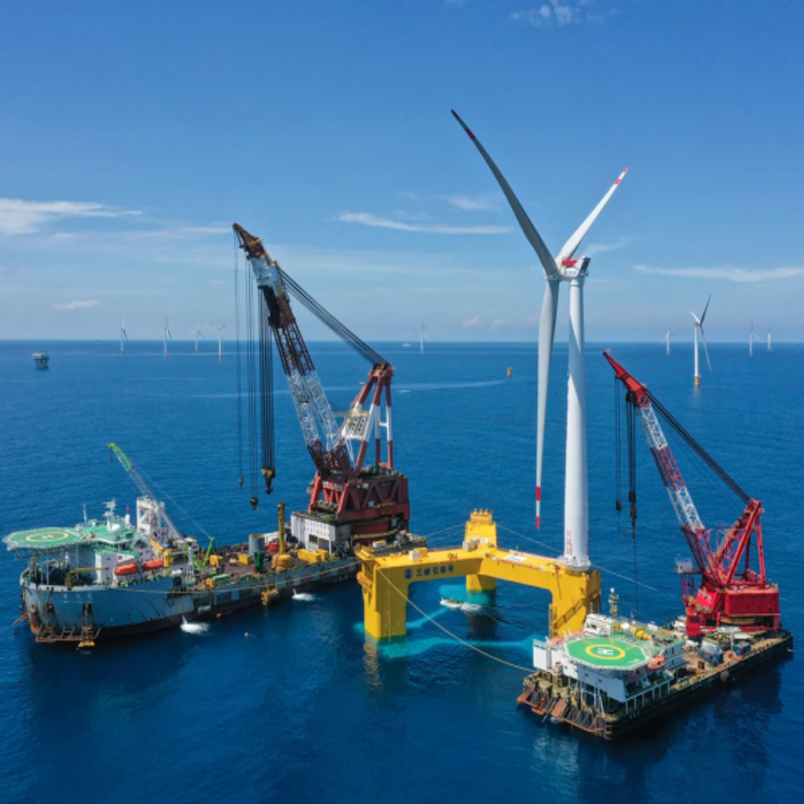
Il Minor in Blue Engineering and Sustainable Marine Operations affronta le principali sfide scientifiche e le opportunità industriali alle frontiere più all’avanguardia dell’ingegneria blu. È stato concepito come un programma multidisciplinare che integra ingegneria navale, scienze ambientali, meccanica strutturale, logistica offshore, robotica, mobilità acquatica sostenibile, analisi di affidabilità e rischio, valutazione ambientale e tecnico-economica e tecnologie digitali. Gli studenti esploreranno le interconnessioni tra questi campi, imparando come l'analisi metoceanica possa supportare la pianificazione delle operazioni marine, la valutazione delle risorse energetiche oceaniche ed eoliche offshore e la valutazione degli impatti delle tempeste sugli ambienti costieri. Comprenderanno inoltre come la robotica e i gemelli digitali, basati su misurazioni indirette, possano consentire un monitoraggio più sicuro, più conveniente, sostenibile e affidabile dei sistemi costieri e offshore. Inoltre, gli studenti svilupperanno approcci basati sulla fisica e guidati dai dati per supportare la manutenzione predittiva e migliorare la sicurezza e la sostenibilità delle infrastrutture offshore e costiere. Il programma integra sostenibilità, resilienza e innovazione tecnologica per favorire la transizione verso un'economia blu sostenibile. Vengono affrontate anche le dimensioni ambientali e tecno-economiche, fornendo agli studenti una comprensione olistica delle sfide e delle opportunità legate alle operazioni in mare in un clima che cambia. Questo corso rappresenta un trampolino di lancio per colmare il divario tra il potenziale inesplorato del mare e l'impatto concreto, con l'obiettivo di fornire all'economia blu gli ingegneri specializzati e qualificati di cui ha bisogno.
Referente: Giuseppe Giorgi DIMEAS
I e II periodo didattico
Posti disponibili: 50
Insegnamenti: Blue Engineering and Sustainable Marine Operations
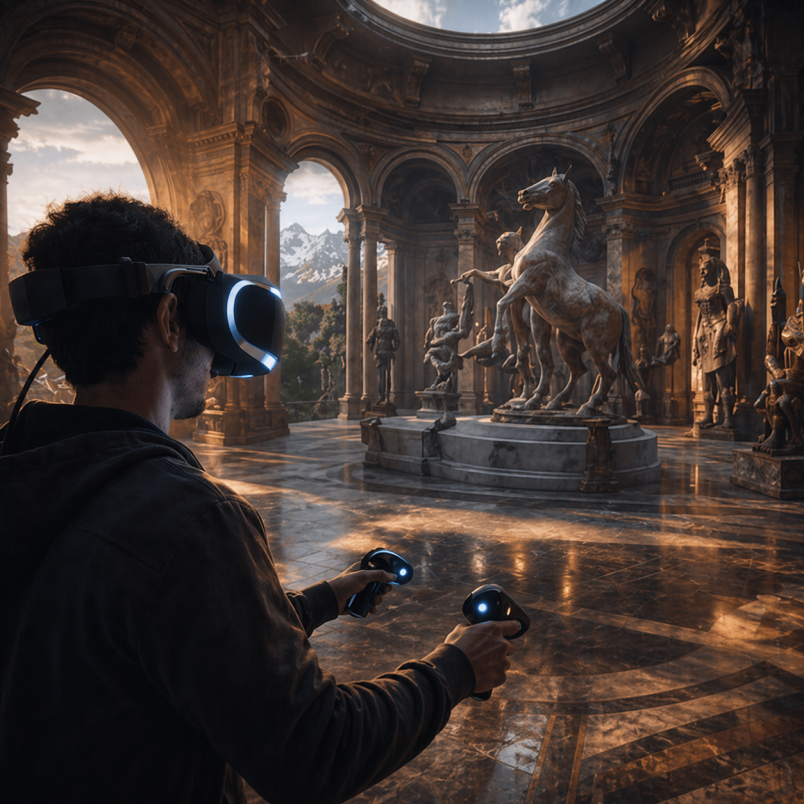
Il Minor in Designing Experiences in Virtual Environments propone un quadro innovativo per la progettazione di esperienze in ambienti virtuali, combinando la simulazione basata sulla fisica con metodi avanzati di progettazione e audiovisivi. Esplora gli ambienti virtuali come strumenti rigorosi per ideare, simulare e comunicare esperienze spaziali e narrative complesse in contesti costruiti, naturali e narrati. Gli studenti vengono guidati attraverso l'intero flusso di lavoro digitale, dal rilievo 3D metrico e dalla modellazione 3D agli ambienti VR immersivi sviluppati in Unreal Engine. Particolare enfasi viene posta sulla fedeltà grafica e sulla simulazione acustica, garantendo la coerenza tra percezione visiva e uditiva attraverso software dedicati. Il corso è fortemente interdisciplinare e coinvolge architettura, geomatica, fisica delle costruzioni, informatica e ingegneria cinematografica. Le attività didattiche includono esperienze pratiche presso l'Audio Space Lab e le strutture VR@POLITO. Gli studenti sviluppano simulazioni immersive a 3DoF e 6DoF per analizzare la percezione e ottimizzare le soluzioni progettuali. Vengono inoltre introdotti metodi avanzati per un'efficace interazione uomo-macchina, esseri umani digitali realistici e modelli generativi basati sull'intelligenza artificiale. Verranno organizzati gruppi di progetto multidisciplinari che coinvolgeranno studenti con background diversi per lavorare su casi d'uso pratici in ambiti che possono comprendere l'architettura, il patrimonio culturale, la formazione industriale, il design, il cinema e i videogiochi.
Referente: Arianna Astolfi DENERG
I e II periodo didattico
Posti disponibili: 20
Insegnamenti: Designing Experiences in Virtual Environments
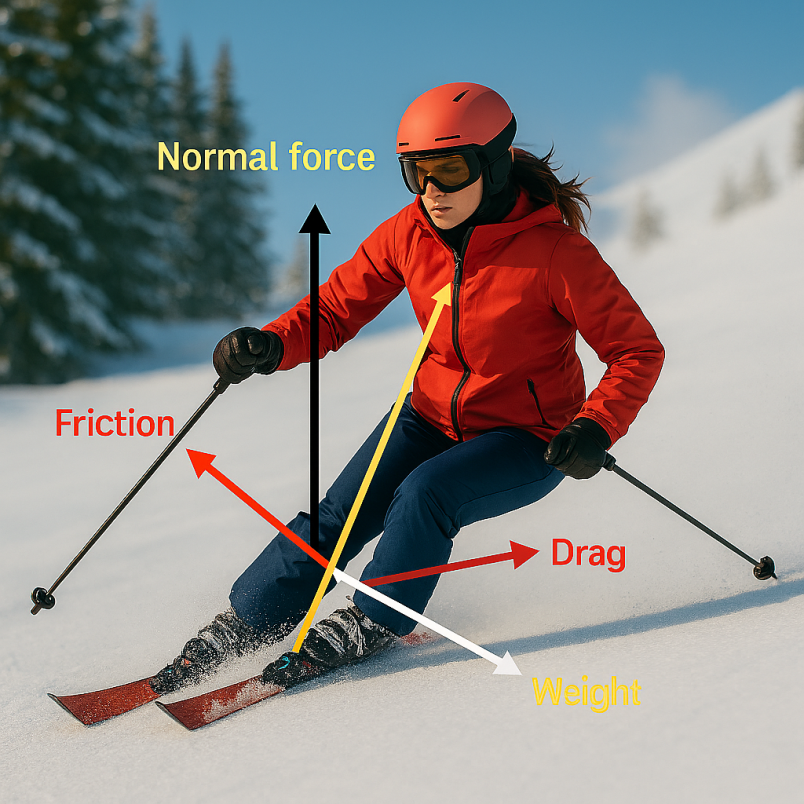
Il Minor in Sport, Technology and Innovation mira a fornire agli studenti conoscenze e competenze interdisciplinari per comprendere, analizzare e promuovere l'innovazione tecnologica nel campo dello sport. Combinando prospettive ingegneristiche, progettuali e basate sui dati, il programma consente agli studenti di esplorare come la scienza e la tecnologia possano potenziare le prestazioni atletiche, migliorare la progettazione delle attrezzature e sostenere lo sviluppo sostenibile nel settore sportivo.
Il Minor pone l'accento su un approccio tecnologico e incentrato sull'uomo, concentrandosi su biomeccanica, materiali e analisi dei dati come strumenti chiave per interpretare e migliorare le prestazioni sportive. Sebbene il suo orientamento principale sia tecnico e scientifico, il programma offre anche una panoramica concisa delle dinamiche manageriali e sociali che influenzano l'innovazione sportiva nella società contemporanea.
Referente: Laura Gastaldi DIMEAS e Ada Ferri DISAT
I e II periodo didattico
Posti disponibili: 50
Insegnamenti: Sport, Technology and Innovation
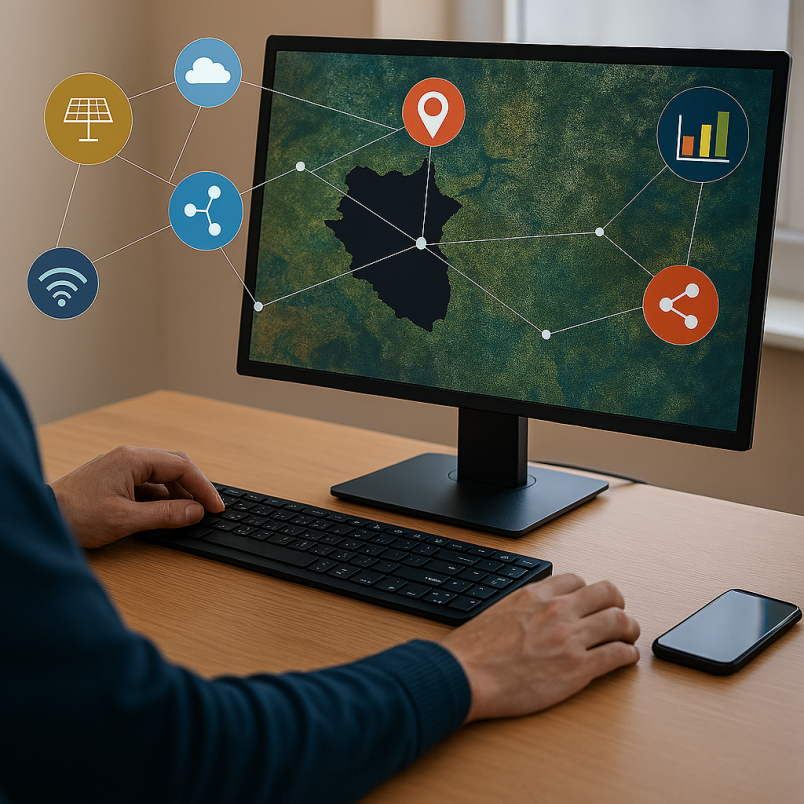
Il Minor in Digital Technologies for Environmental Applications è un programma da 24 cfu rivolto agli studenti desiderosi di diventare protagonisti all’incrocio tra i sistemi ambientali complessi e l’innovazione digitale. Le sfide globali odierne, dalla resilienza climatica alla gestione intelligente delle risorse, non possono più essere risolte solo con le competenze specialistiche di settore. Essi richiedono un approccio basato sui dati, supportato da sensori, reti di monitoraggio interconnesse e osservazione della Terra. Questo minor ti prepara a trasformare tali dati in comprensione e impatto.
Passerai dalla padronanza della raccolta dei dati ambientali e dalla comprensione dei sistemi ambientali dinamici all'implementazione di analisi avanzate per la previsione e il processo decisionale. Acquisirai competenze pratiche nel monitoraggio ambientale e nel telerilevamento, imparerai a valutare criticamente la qualità e l'incertezza dei dati e svilupperai la capacità di gestire e analizzare set di dati complessi utilizzando moderni strumenti di scienza dei dati e di apprendimento automatico. L'approccio è fortemente applicato: lavorerai con set di dati reali, imparerai solide pratiche di convalida e interpretazione e comunicherai i risultati in modo da supportare le scelte tecniche e politiche.
Uno degli obiettivi principali è l'interdisciplinarità. Studenti provenienti da diversi ambiti apprendono un linguaggio tecnico comune e collaborano in modo efficace, combinando le conoscenze di settore con i metodi digitali. Al termine del percorso, sarai in grado di progettare soluzioni credibili e basate sui dati per affrontare sfide ambientali reali, acquisendo un profilo sempre più richiesto nel mondo della ricerca, degli enti pubblici, della consulenza e dell'industria.
Referente: Riccardo Vesipa DIATI
I e II periodo didattico
Posti disponibili: 50
Insegnamenti: D-TEA: Digital Technologies for Environmental Applications