


The Italian Science Fund (Fondo Italiano per la Scienza, FIS) is a program of the Ministry of Universities and Research (MUR) that supports fundamental research across all scientific, humanistic, and technological fields. Inspired by the model of the European Research Council (ERC), the FIS aims to promote scientific excellence, strengthen the international competitiveness of Italian research, and support human capital, with particular emphasis on research freedom and the scientific quality of projects. Interdisciplinary, pioneering, or innovative and unconventional projects are particularly valued.
Finite Element Method (FEM) 2.0 updates the basic rules behind today’s structural simulation tools, which are still built on centuries-old assumptions, with high impact in many engineering fields and sectors. By using a more flexible way to describe how structures really deform, it aims to deliver more realistic results and solve complex problems that current FEM software cannot handle.
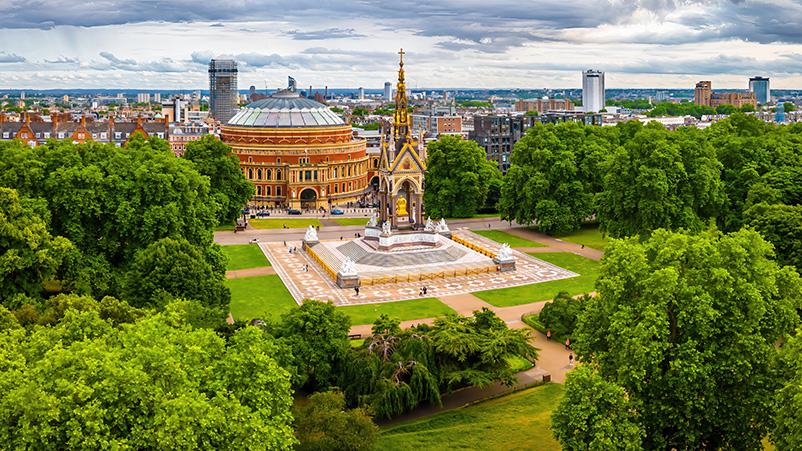
Green Restitution for Urban Heritage Planning and Protection (GRUHPP) explores how Green Infrastructures (GI) and Nature-based Solutions (NBS) can help historic cities face climate-related threats. The project aims to rediscover lost green heritage, clarify risks and benefits, and create new guidelines that support sustainable, resilient futures for urban heritage.
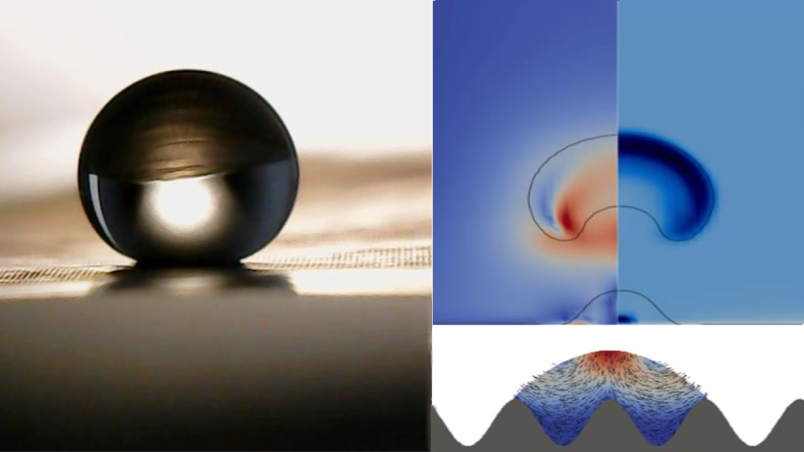
THEMAS studies how the mass and energy transfer in complex fluid mixtures is affected by specially designed micro and nano-textured surfaces. By combining novel high-fidelity simulations with controlled laboratory experiments, the project uncovers how the tiny details of the wall texture and chemistry modulate phase-change heat transfer, helping the design of energy-efficient technologies.

The project studies inhomogeneous superfluids, a state of matter exhibiting unique properties, like frictionless flow, using ultracold atomic gases. It investigates how excitations, interfaces, spin imbalance and interactions shape superfluid’s dynamics. Findings will advance understanding of superfluid behavior, powering future quantum devices and simulators of neutron stars and superconductors.
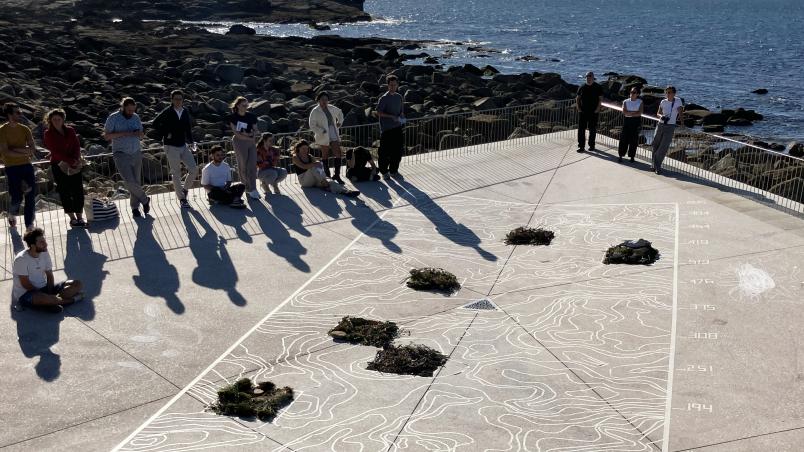
To what extent can the construction of rural commons stimulate alternative ways of doing architecture, of teaching and communicating architecture, and what kinds of innovation can they produce? SUPERural examines these issues by analysing various case studies across Italy, Switzerland, France, and Belgium, with the goal of developing guidelines to inform future policies and investments in Europe.
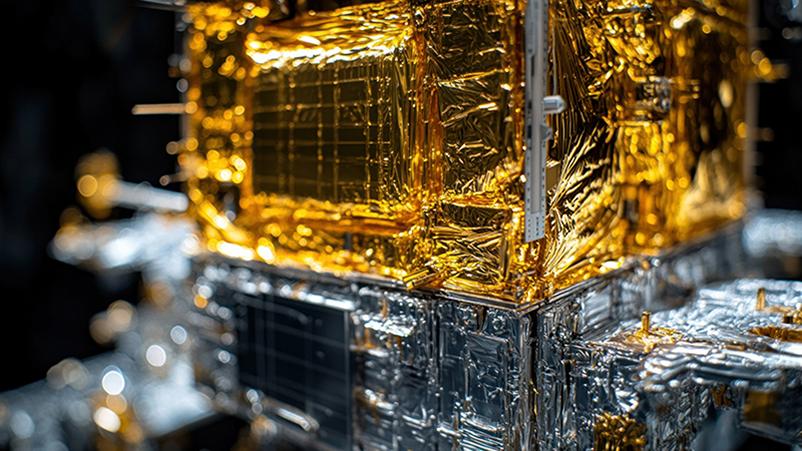
The project addresses design and thermal management in hybrid-electric aerospace systems, which require precise temperature control, cooling strategies and new thermal barrier materials to ensure safety, performance and structural integrity of aircraft and spacecraft. AMPERE uses multi-scale and multi-physics models and digital twins to develop resilient and innovative solutions.
The project explores the key factors that shape social justice in Participatory Design for Artificial Intelligence, focusing in particular on how exclusion and opacity show up during implementation. Using a participatory action-research approach with concrete case studies, the goal is to better understand the knowledge, practices, and power dynamics that contribute to unequal outcomes in AI systems.
The project investigates how self-assembling, polymeric systems respond to external chemical gradients, a key scenario for the development of innovative, adaptive materials. Using computational simulations, it explores the molecular mechanisms that couple the self-assembling species with surrounding chemical gradients, paving the way for the design of new materials mimicking natural biomaterials.
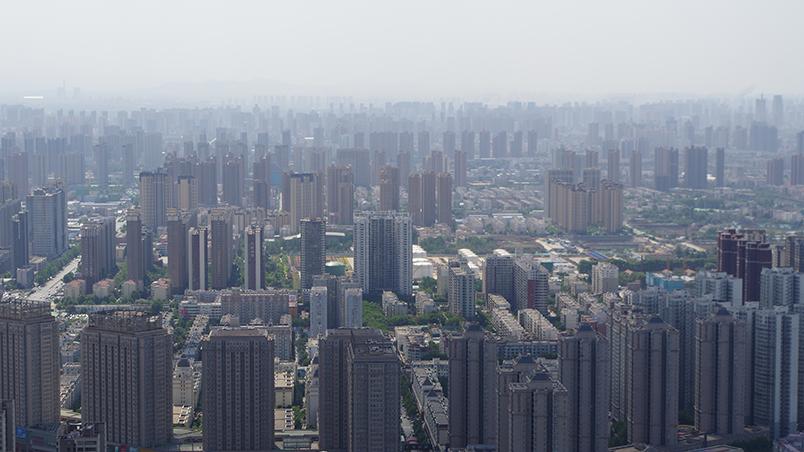
This research explores emerging forms of urbanity shaped by large-scale infrastructure projects in various areas of the planet. Drawing upon cases in Asia, Europe and South America, it aims to uncover the challenge these projects pose to urban planning and design, highlighting the transformative power of infrastructure in shaping landscapes, cities, and urban environments.
