

Custodi di Luoghi, Identità e Oralità
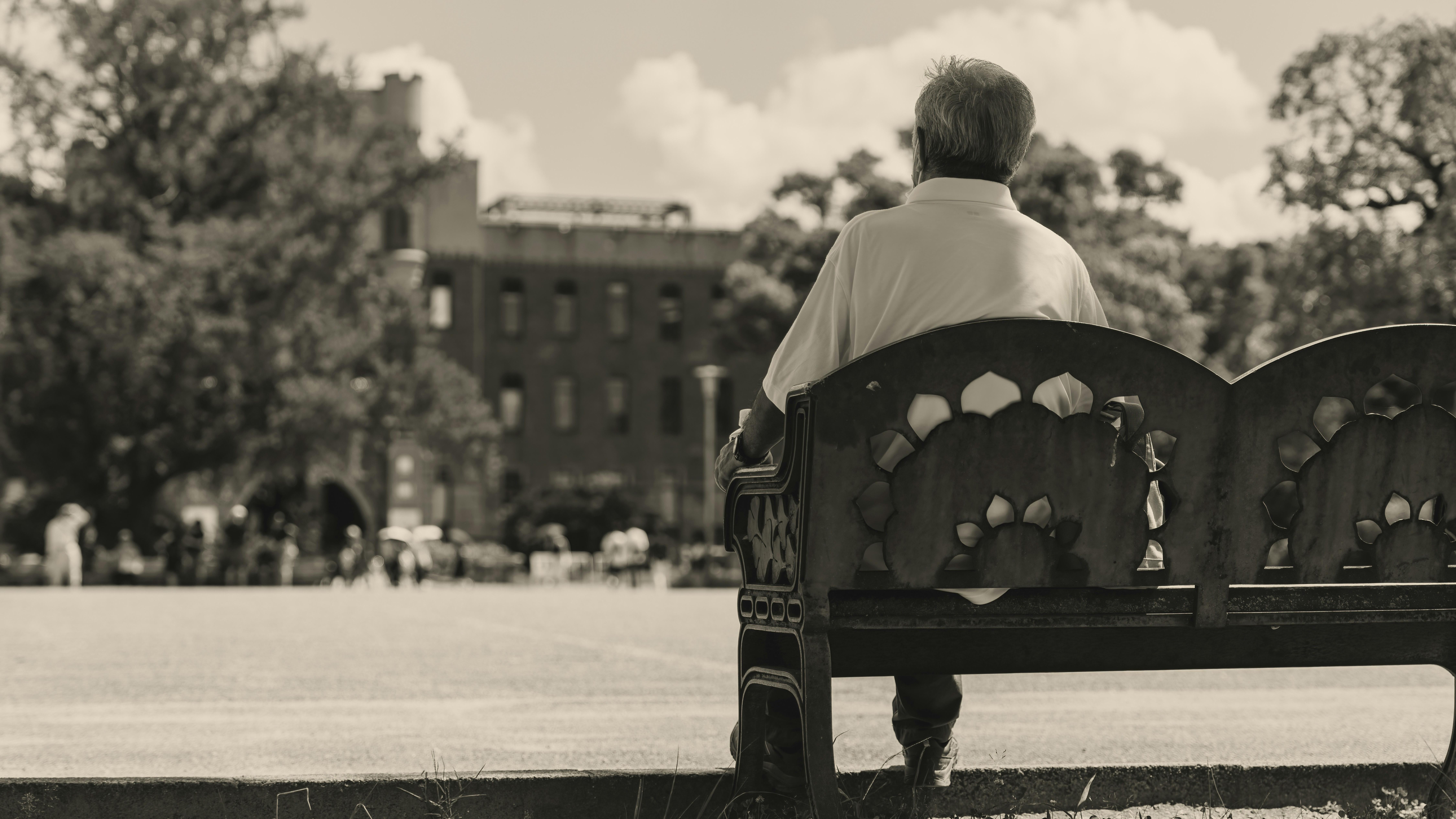
Contemporary approaches, supported by international policy frameworks such as the Council of Europe Framework Convention on the Value of Cultural Heritage for Society (Faro Convention), recognise cultural heritage as a key factor in enhancing individual and collective well-being. CLIO seeks to tackle social isolation among older adults while simultaneously enhancing the value of their human capital and the cultural heritage of local communities.
The project focuses on the co-design of innovative solutions and services that leverage immersive technologies and digital reconstructions to enable people aged 65 and over to access cultural heritage sites and assets that would otherwise be inaccessible to them. At the same time, participants will become active cultural guides by sharing their memories and experiences, thereby enriching the collective intangible cultural heritage.
CLIO promotes digital inclusion, intergenerational dialogue, and stronger community ties, while establishing an innovative model of cultural citizenship that encourages the active participation of older adults. The project strengthens participants' sense of belonging and generates positive outcomes for both their well-being and the appreciation of local cultural heritage.
The project's primary impacts concern the measurable improvement of the psychological well-being of its beneficiaries—people aged 65 and over, including older adults with mobility impairments—by expanding their opportunities to participate in cultural life.
In addition, the proposed solutions will foster greater social solidarity by actively involving each participant in the cultural life of the community. Through a meaningful process of intergenerational exchange, younger generations—and, more broadly, people without mobility limitations—will become the "legs, eyes, and ears" of older adults, while older participants will contribute their invaluable memories and lived experiences. Without being shared and properly documented, this unique intangible heritage would be at risk of being irretrievably lost.
CLIO will help reduce perceived social isolation and loneliness while improving access to appropriate resources, including care services provided by residential care facilities and community organisations, as well as opportunities for leisure, cultural participation, and lifelong learning.
Project’s partner
- Fondazione Centro Culturale Valdese (FCCV)
- Comuni di Pellice, Chisone e Germanasca (TO)
- Associazione Amici della Scuola Latina
Project Team
- Riccardo Rudiero (DAD), RTD-B
- Francesca Matrone (DIATI). RTD-A
- Filippo Gabriele Pratticò (DAUIN), RTD-A