

Collaboration with the Lorusso e Cutugno Prison and the Ferrante Aporti Juvenile Detention Centre in Turin
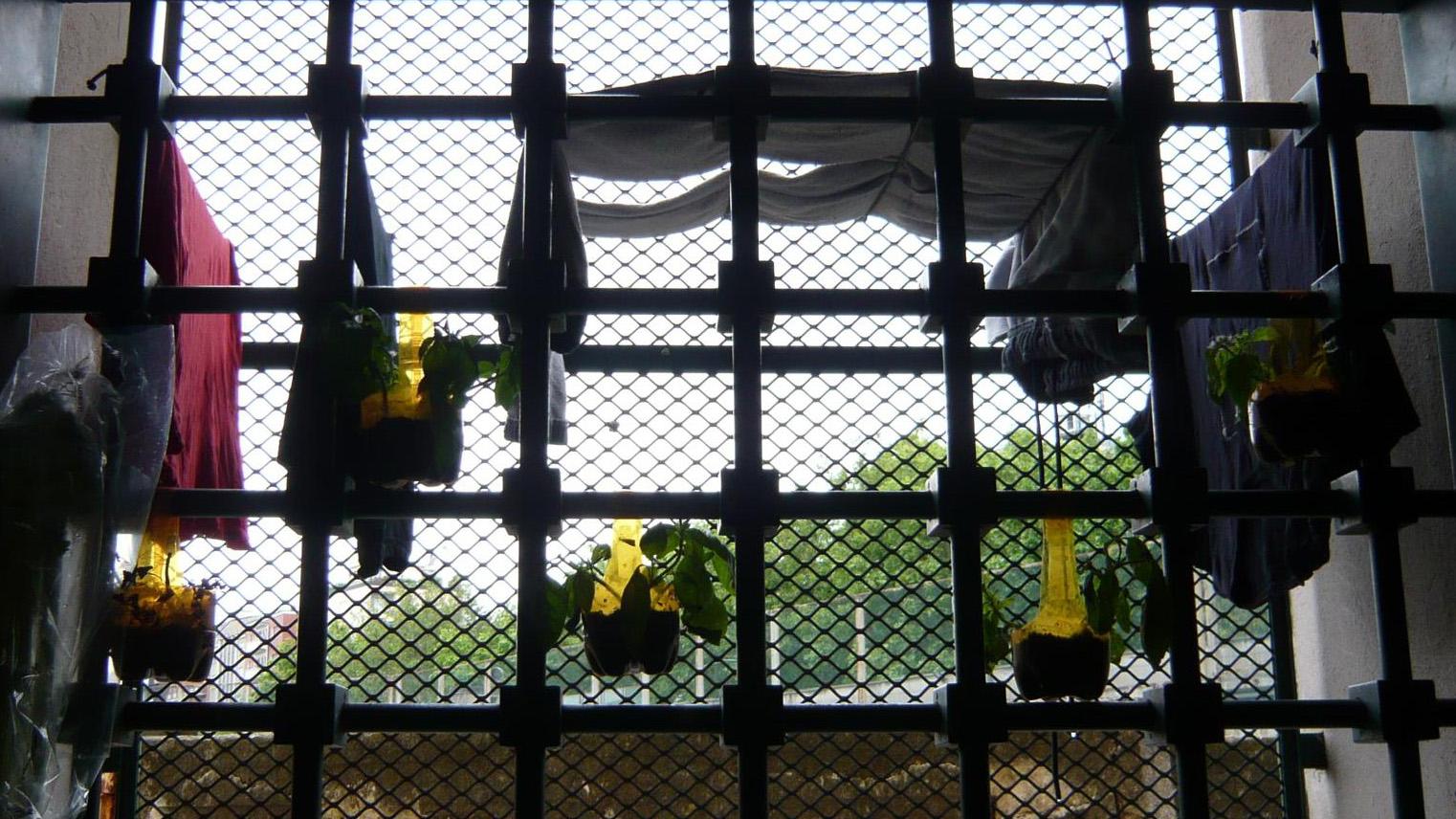
Duration: 2022-2024
Scientific Coordinator: Cristian Campagnaro
Project Type: Collaboration with preparatory teaching for consultancy
PoliTO Role: Project coordinator
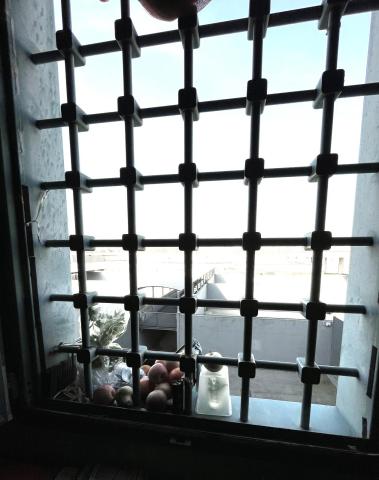
The prison has been defined in literature as a total institution (Goffman), as a heterotopia (Foucault), as a harsh architecture (Sommer), and as the inverted caricature of home. In practice, the prison is the only inhabited public building, in which the State must guarantee prison treatment inspired by the principles of respect for fundamental rights and re-educative treatment, devising a treatment path (which the convicted person may or may not approach) so that, by becoming aware of his mistakes, he is able, at the end of his sentence, not to repeat the same mistakes he has made and to find himself as a free citizen living again in society 're-educated'.
Starting from the assumption that the quality of spaces can also positively influence the rehabilitation of inmates, the "Design for Living, in Jail" project proposed the challenge of redesigning, also on the scale of detail, some spaces dedicated to community life and maintenance of affective relations, for inmates, and at the same time, some work and rest spaces for prison guards, who represent the largest category of users within the institutions.
In A.A. 2022-23, the collaboration with the Lorusso and Cutugno Prison and the Ferrante Aporti Juvenile Penal Institute in Turin has brought the designers physically inside the places of detention to take a direct view of the spaces with which to compare themselves.
The aim of the work was to rethink existing spaces and transform them into habitable, welcoming, physically and cognitively accessible places where people can share living together and cultivate human relations. The aim was to design places capable of satisfying both the material and psychological-relational needs of all the users involved, starting from the role that the dimensions of the spaces, the ratios, the proportions, the furnishings, the colours, the materials, the light and shade can have on the physical and psychological well-being of the end users.
Involved Structure
- DAD, Department of Architecture and Design (lead department)
Partners
- Lorusso e Cutugno Prison;
- Ferrante Aporti Juvenile Detention Centre in Turin;
- Piedmont Region Prisoners' Ombudsman;
- Ministry of Justice
Location
- Lorusso e Cutugno Prison, Turin (TO)
- Ferrante Aporti Juvenile Detention Centre, Turin (TO)
Project Team
- Cristian Campagnaro (DAD), scientific project coordinator
- Simona Canepa (DAD), PhD and collaborator on the Design for Living course of the Degree Course in Architecture
Sustainable Development Goals (SDGs)
10. Reduced inequalities
- Immagine
 NomePOPS_Design for living2.jpeg
 - Immagine
 NomePOPS_Design for living3.jpeg

