

Spring Festival Symposium 2026: Politecnico di Torino Engaging in High-Level International Dialogue in Beijing
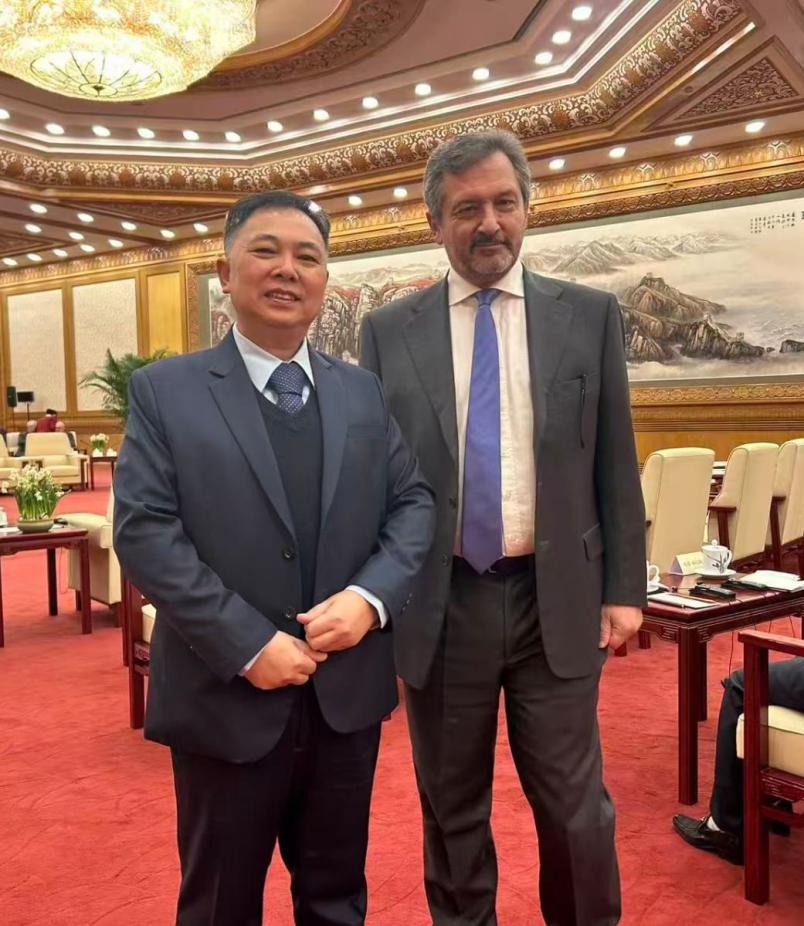
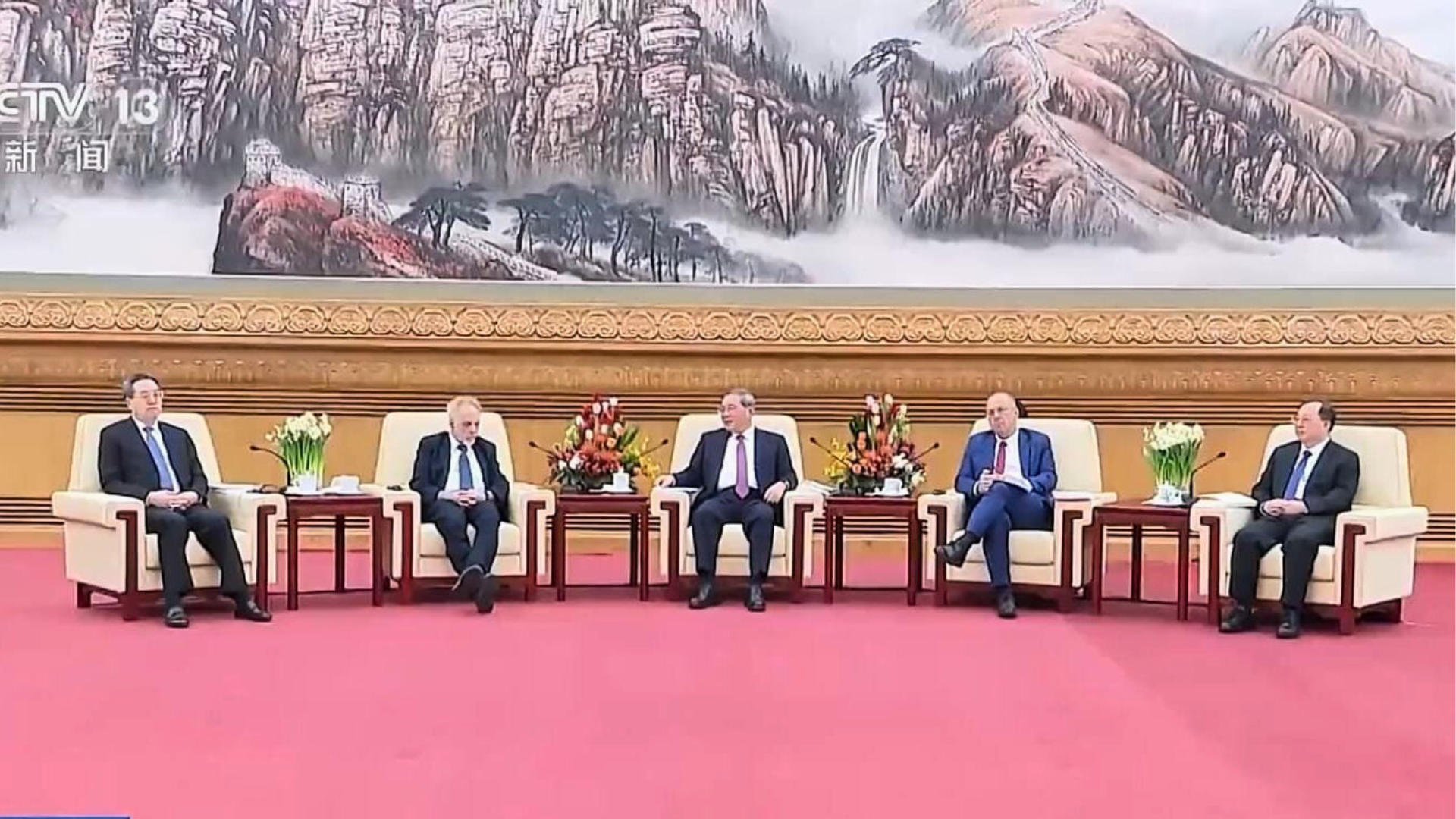
As part of the University’s internationalization strategies and with the aim of strengthening scientific synergies with China, Professor Giuseppe Carlo Marano of the Department of Structural, Building and Geotechnical Engineering-DISEG was among the 67 international experts invited to the 2026 Spring Festival Symposium with Foreign Experts, held on February 13 at the Great Hall of the People in Beijing.
The meeting, chaired by Premier Li Qiang, brought together the recipients of the 2025 Chinese Government Friendship Award and representatives of the international scientific community to discuss strategic priorities related to innovation and modernization, within the framework of drafting the 15th Five-Year Plan (2026–2030), which will guide the economic and social development of the People’s Republic of China over the next five years.
The event was also attended by twenty representatives of the Chinese Government, including the Vice Premier, ministers and senior officials, along with experts from 32 countries, including the United Kingdom, Germany, France, the United States, Italy, Russia and Ukraine. The symposium received extensive coverage from major Chinese national media outlets, including CCTV News and China Daily, underscoring its institutional and international significance.
Professor Marano is currently engaged in academic and research activities at Henan University of Technology, within the framework of the PoliTO China Center initiatives. Internationally recognized for his contributions in the field of Artificial Intelligence applied to Civil and Structural Engineering, Professor Marano represented the University in the global scientific dialogue on issues such as technological innovation, sustainable infrastructure and long-term development.
On the value of scientific cooperation, Professor Marano emphasized: “In a global context marked by profound geopolitical transformations and growing international tensions, scientific cooperation assumes a value that transcends the academic dimension. Research is, in fact, one of the most solid instruments of dialogue among nations, grounded in shared languages, methodological rigor and common goals of progress. Dialogue among scientific communities from different countries helps to strengthen mutual trust, promote intercultural understanding, and support a vision of development oriented toward sustainability and global responsibility.”