


Politecnico presents the Nuclear4Africa project in Kenya
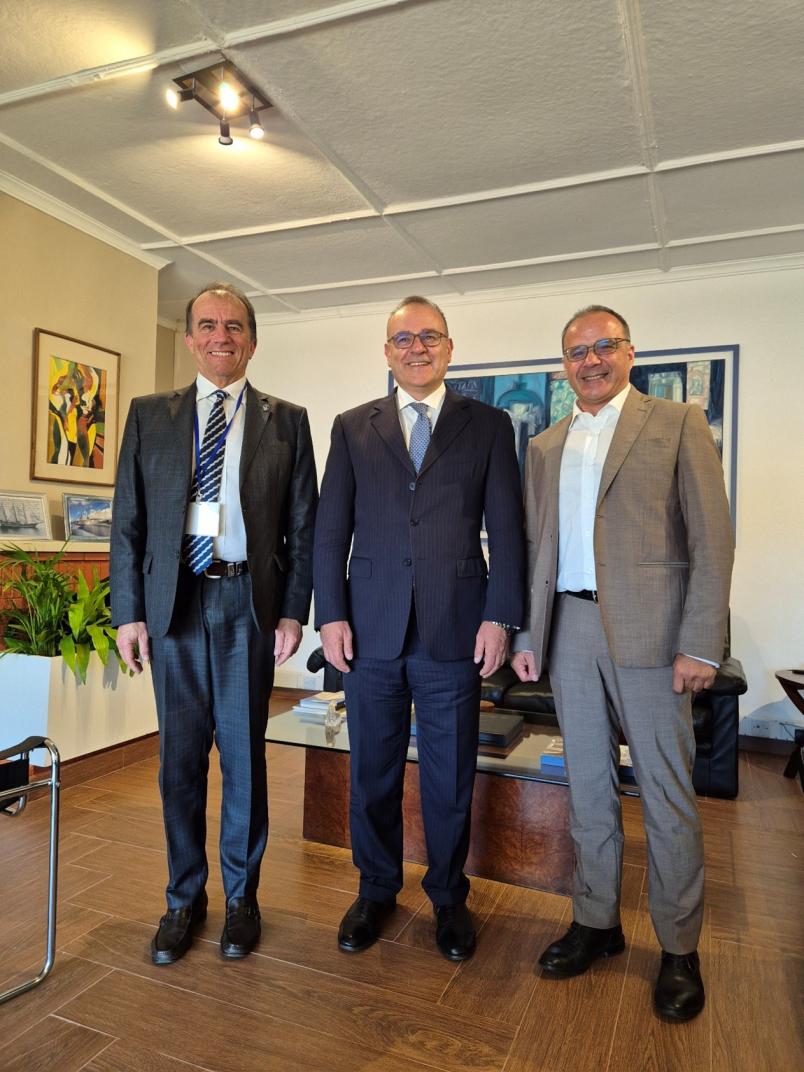
This week in Kenya, Politecnico di Torino presented a cross-regional proposal for the development and implementation of a Master of Science in Nuclear Engineering curriculum in Africa. A consortium coordinated by Politecnico intends to submit the proposal in response to the 2026 Erasmus+ call for Capacity Building in Higher Education (CBHE).
The Nuclear4Africa project, designed in the framework of Unite!, involves two other universities from the Alliance as European partners – the Instituto Superior Técnico and the Universitat Politècnica de Catalunya – and eight universities from three countries: Egypt, Kenya and Morocco. All African partners are identified, in Politecnico’s strategy, as priority recipients of systemic and structural interventions. The African universities involved will be, namely: Alexandria University and The British University in Egypt; Jomo Kenyatta University of Agriculture and Technology (JKUAT), Kenyatta University (KU) and University of Nairobi (UONBI); Abdelmalek Essaadi University, Hassan II University and Universite' Mohamed VI Polytechnique.
The prospective curriculum will be holistic, meaning that it will cover the three main areas of nuclear training: fission, fusion and so-called non-power, that is, the applications of nuclear energy in agriculture, industry and medicine.
Professor Roberto Zanino of the “G. Ferraris” Energy Department-DENERG, coordinator of the Nuclear4Africa project, visited the Moroccan partners last November, thanks to the TNE MARE project, which focuses on Mediterranean Africa and the Middle East. Politecnico is responsible for the Work Package focused on energy, coordinated by Professor Zanino. On this occasion, he also visited the Kenyan partners thanks to another TNE project, Wagon2Africa, focused on the water-energy-food nexus in East Africa, coordinated by Professor David Chiaramonti, also from DENERG.
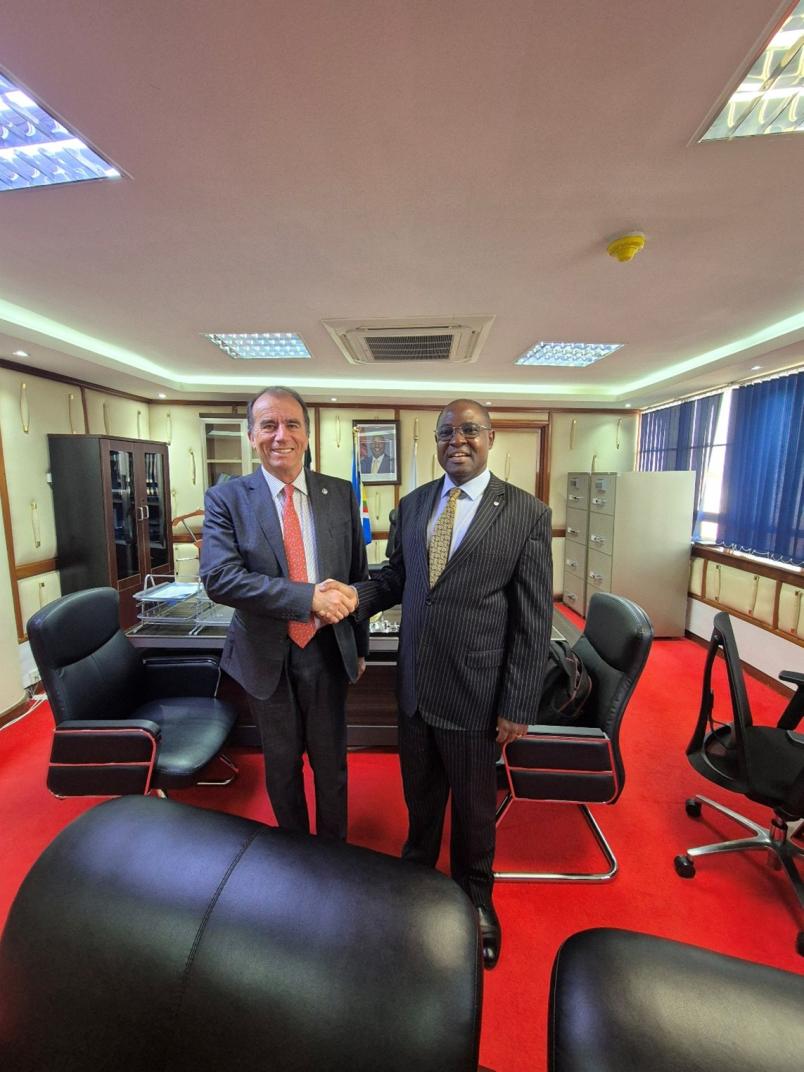
During his visit to Kenya, Zanino met with the Italian Ambassador, H.E. Vincenzo del Monaco, and Justus Wabuyabo, the CEO of the Nuclear Power and Energy Agency (NuPEA). Both expressed strong support and appreciation for the Nuclear4Africa project, highlighting its timely importance. Kenya is poised to begin the ambitious construction of a nuclear power reactor, along with plans for a research reactor in the near future.
“Africa, with its exploding population, needs more and more energy for its sustainable development and, as in many other parts of the world, is looking with growing interest at nuclear power as a reliable and decarbonised source. The development of the needed skills is a crucial element at the heart of the Nuclear4Africa project,” comments Professor Zanino, who continues: “The European universities involved have decades of experience and complementary expertise in all areas of nuclear energy, while the African countries and universities we have involved have very diverse experiences, interests and levels of development in the nuclear field. Egypt is building its first nuclear plant based on Russian reactor technology. Kenya is entering the sector with force, looking to American, Chinese, Korean and Russian manufacturers. Morocco, having focused on renewables until now, is considering diversification to include nuclear power to better address future challenges related to growing desalination needs and interest in data centres, which are notoriously energy-intensive. This diversification clearly demonstrates the ambition of the Nuclear4Africa project: it aims to make a small but hopefully significant contribution to the sector thanks to advanced training, which is always a key step to any structured technological development, within a continent where the EU is clearly playing a minor role compared to other players.”
- Immagine
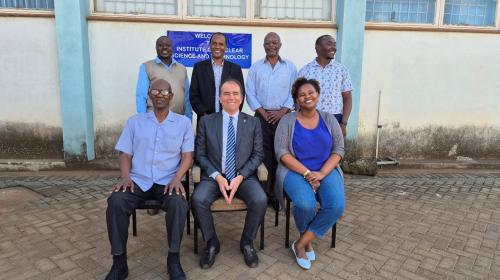
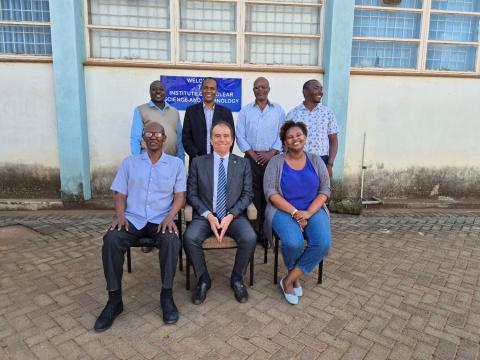 NomeVisit to the Institute of Nuclear Science and Technology at the University of Nairobi. From left in the front row, proceeding counterclockwise: Elijah Mwangi, Roberto Zanino, Lindah Kiriinya, Wilson Kairu, Michael Mangala, John Birir, Simeon Bartilol
 - Immagine
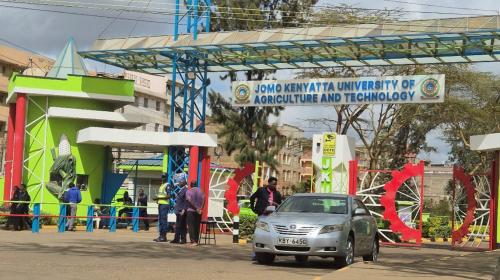
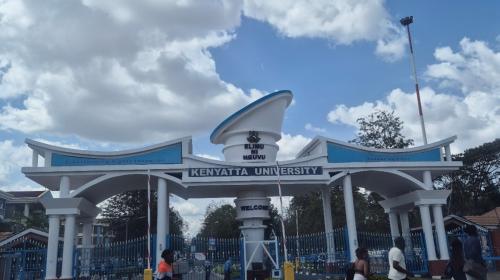
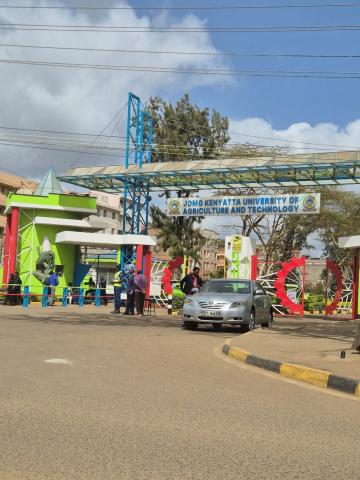 NomeEntrance to JKUAT
 - Immagine
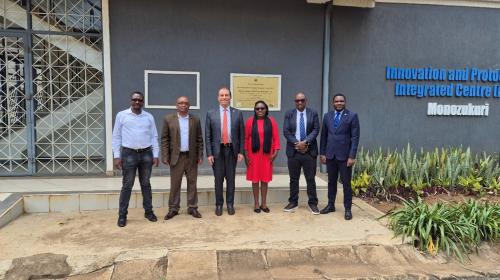
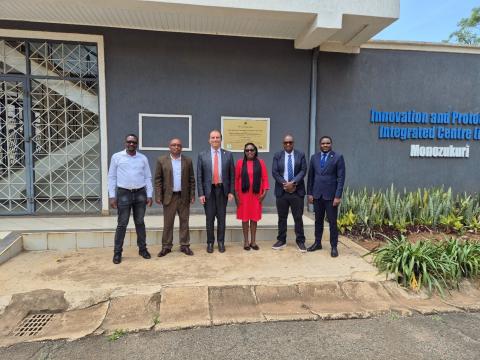 NomeVisit to JKUAT. From left: Peter Oketch, Onesmus Muvengei, Roberto Zanino, Mercy Kiio, Samson Njoroge, Raphael Chesori
 - Immagine
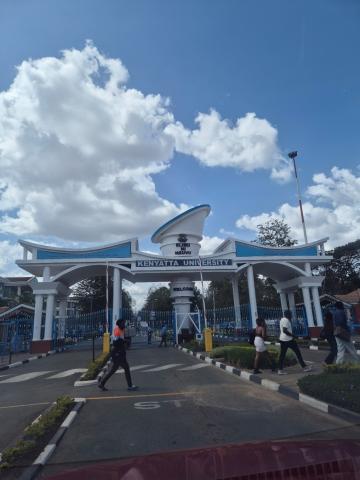 NomeEntrance to KU. The motto in Swahili reads: Education is Strength
 - Immagine
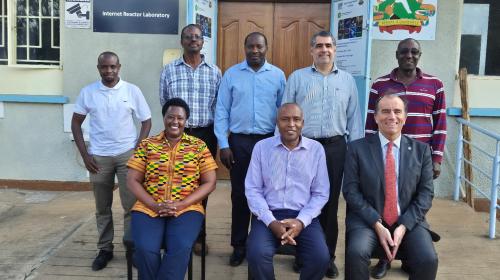
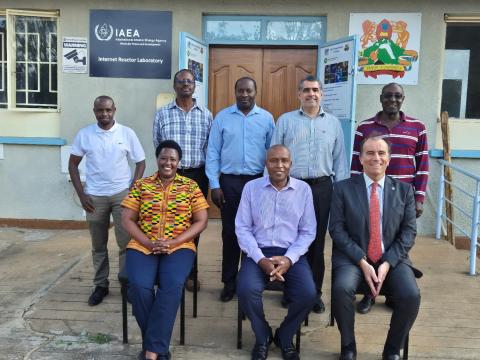 NomeVisit to the IAEA Internet Reactor Laboratory, hosted at KU. From left in the front row, proceeding counterclockwise: Margaret Clege, Raphael Nyenge, Roberto Zanino, Mathew Munji, Nadir Hashim, Manasseh Wakeb, Samuel Musa, Kennedy Kilel
 - Immagine
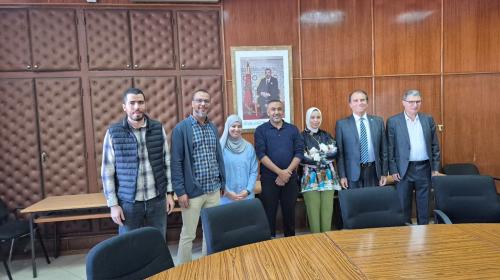
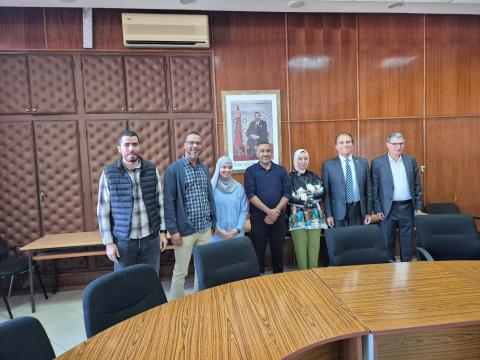 NomeVisit in November 2025 to Hassan II University in Casablanca, Morocco. On the far right, Prof. Driss Benchekroun
 - Immagine
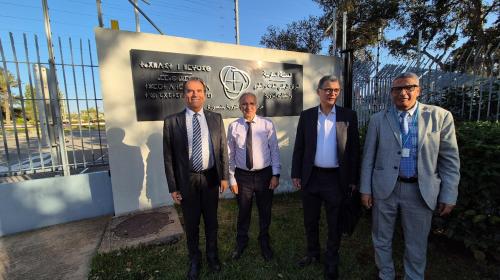
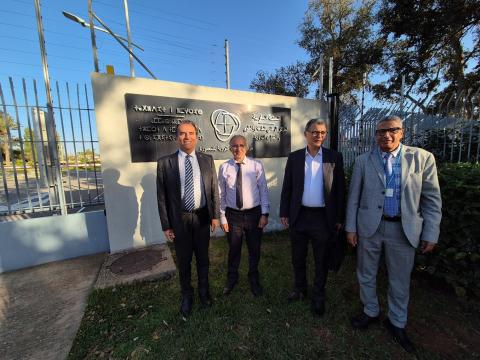 NomeVisit in November 2025 to the Centre National de l’Energie, des Sciences et des Techniques Nucleaires (CNESTEN) in Rabat, Morocco. To the left of Prof. Zanino is Dr Moncef Benmansour, Director of Studies and Scientific Research at the Centre
 - Immagine
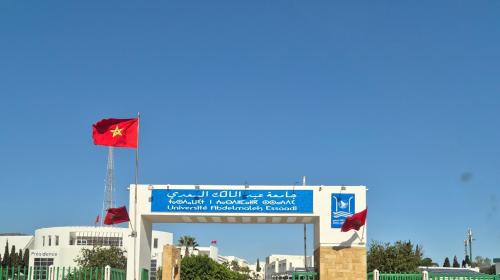
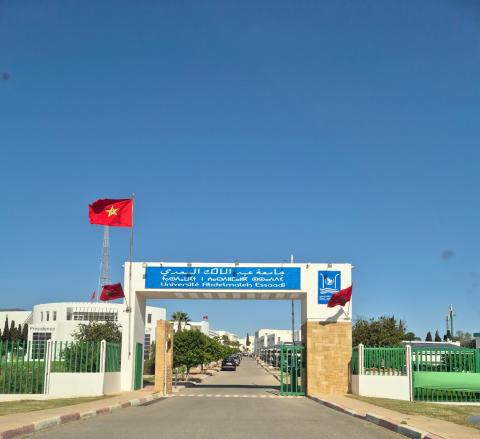 NomeEntrance to Abdelmalek Essaadi University in Tetouan, Morocco
 - Immagine
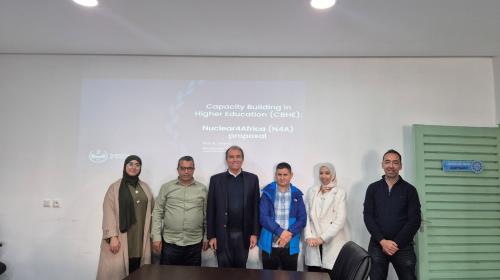
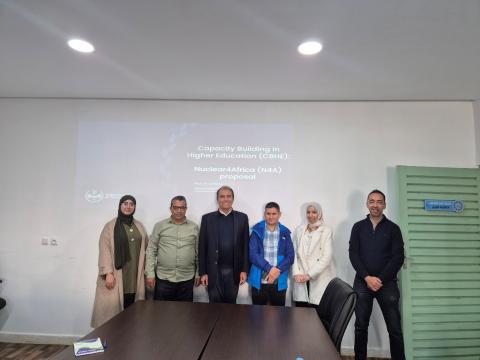 NomeVisit in November 2025 to Abdelmalek Essaadi University. On the far right, Prof. Mohamed Kanja


