A very successful fifth edition for Biennale Tecnologia
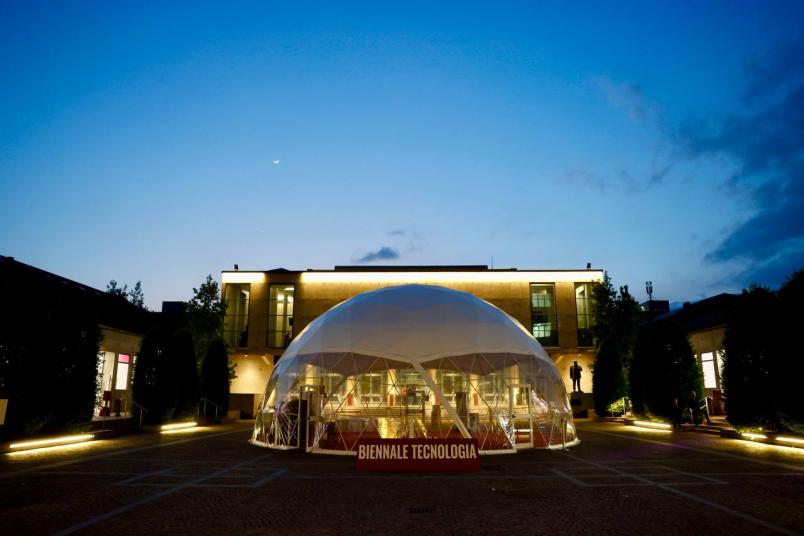
The 5th edition of Biennale Tecnologia came to a close on Sunday, April 19th with the lectio "Ethics for the Future of Digital Democracies" by Mariarosaria Taddeo and the performance "Automavie. La vita a rendere", the 5th edition of Biennale Tecnologia, the cultural festival organized by Politecnico with the support and collaboration of local institutions, organizations, businesses, and partners who believe in the value of the project. This year too, Biennale invited the public to reflect on how technology can be put at the service of the collective interest, exploring a theme – Solutions – developed through a cross-disciplinary approach, with the aim of bridging the technological and human sciences, in keeping with the festival's motto: "Tech Cultures".
With over 60,000 attendees, Biennale Tecnologia confirms its success, within a context of excellence for Politecnico, just recognized by ANVUR as the top university in Italy for Third Mission and social impact in the VQR (Research Quality Assessment) 2020–2024, confirming the university's ability to translate scientific knowledge into concrete innovation, with meaningful effects on the fabric of society not only in business and economic terms, but also socially and culturally.
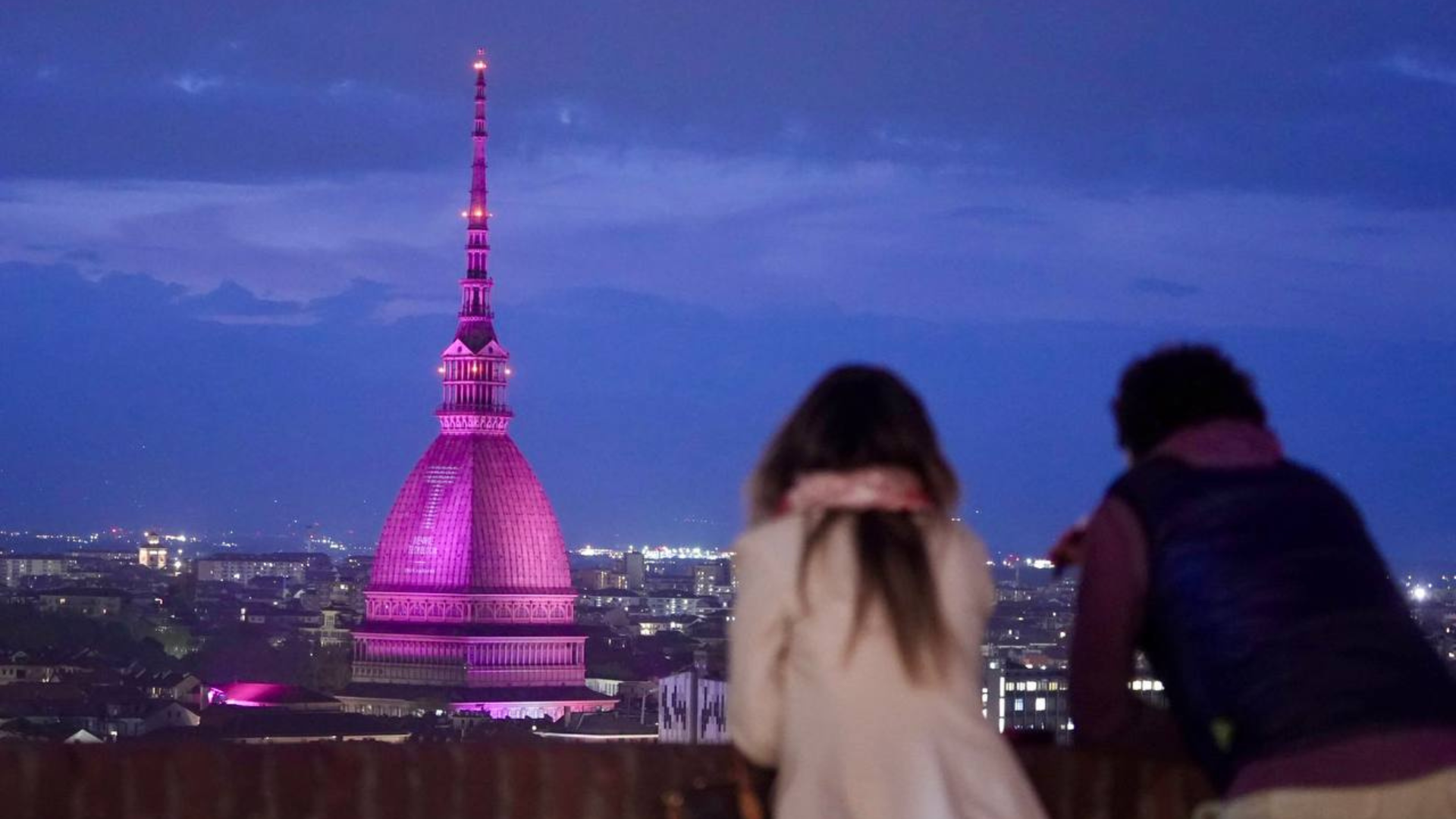
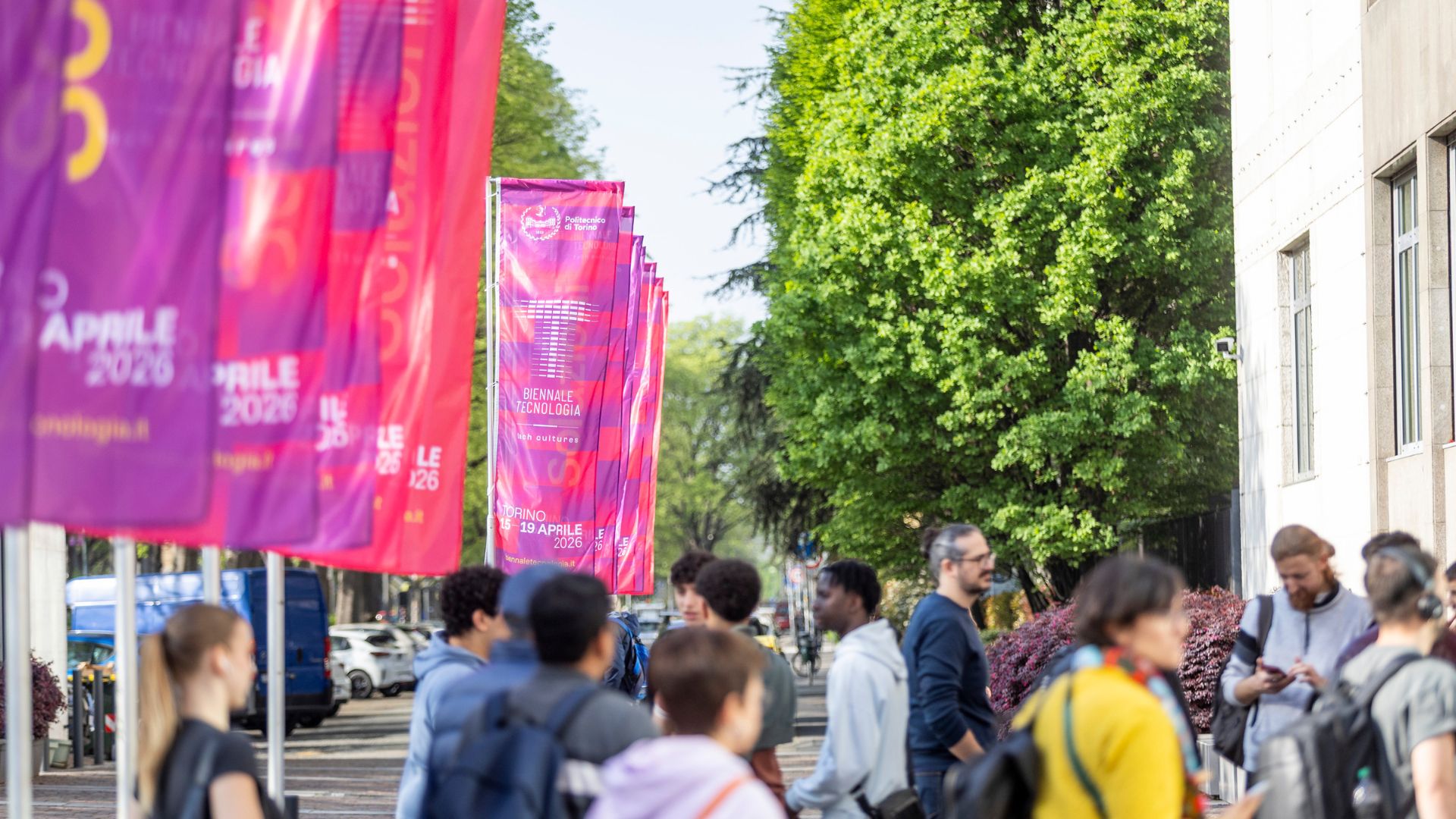
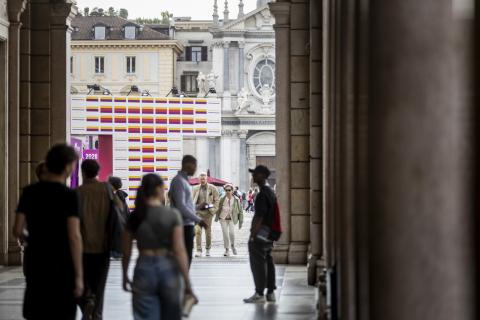
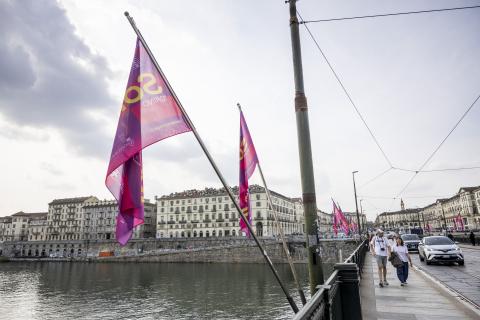
The 5th edition of Biennale Tecnologia also stood out for its widespread presence in the urban space: for the first time, beyond Politecnico's academic venues, which remained the central hub, the festival spread throughout the city across more than 20 locations.
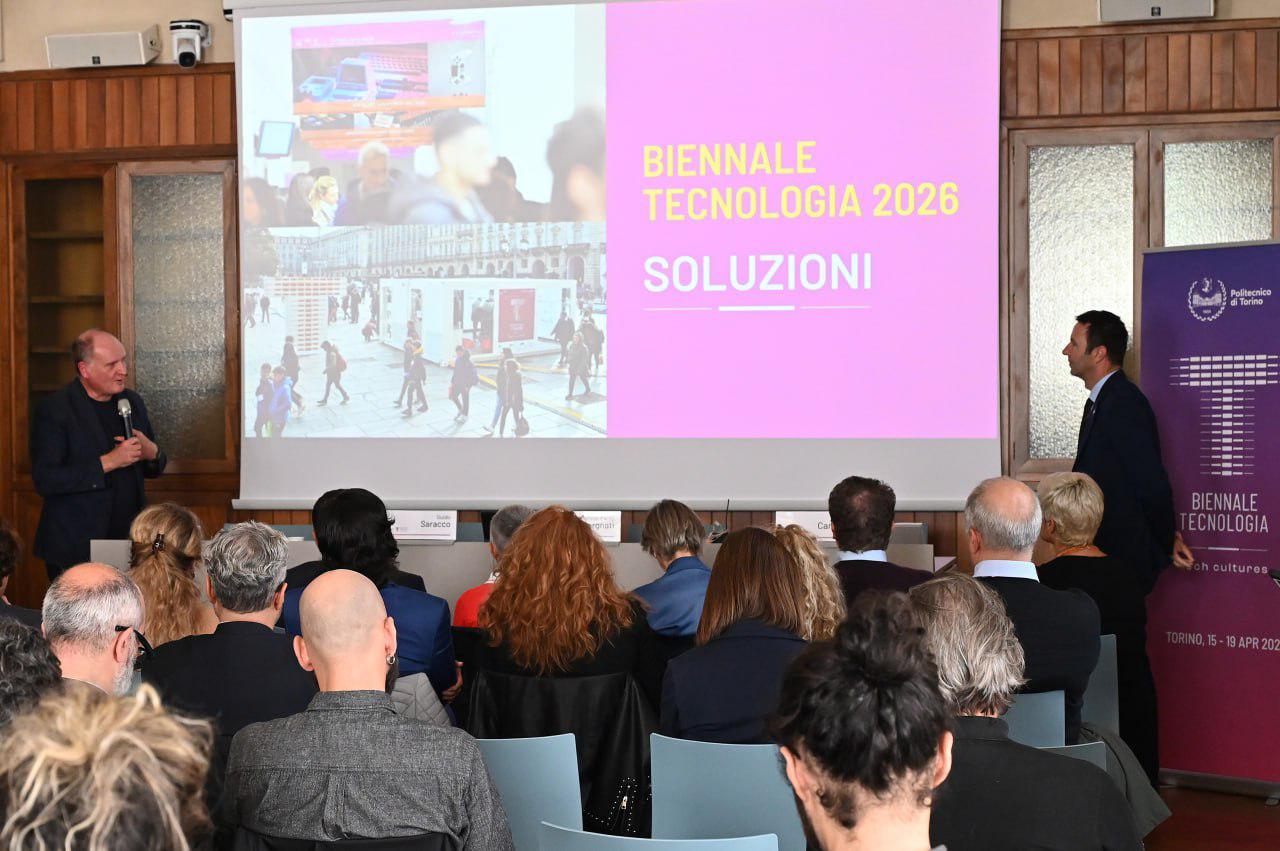
Among the other new features of this edition was the introduction of co-curators, working alongside scientific director Guido Saracco. Saracco oversaw the entire program, focusing in particular on the impact of AI and the transformations it brings to society and to the relationship with humanity; Simone Arcagni on the relationship between culture and technology; the collective Frame - Divagazioni scientifiche curated a series of cross-cutting events touching on multiple topics, from space to health; Federico Bomba (Sineglossa) was responsible for two exhibitions in the program, Framing Problems and Dati Sensibili.
"The success of Biennale Tecnologia confirms that Italian universities must play an ever greater role in public cultural debate, engaging with a wide range of topics of collective interest and moving increasingly away from self-referentiality: that is why the voices at Biennale were many and varied, offering the large audiences who followed us fresh angles and frameworks for thinking through pressing issues that have technology at their core – comments Stefano Corgnati, Rector of Politecnico and President of Biennale Tecnologia – In this edition we also experimented with significant innovation in our communicative approaches, with new expressive formats that allowed us to broaden the range of guests and audiences we reached. Added to this were Biennale's new spaces, in direct dialogue with the city and the surrounding area. This drive for continuous innovation is part of the culture of the Politecnico di Torino community, and we will continue to carry it forward with enthusiasm starting today, as we already begin looking ahead to the next edition of Biennale Tecnologia."
"The main innovations introduced at Biennale Tecnologia 2026 proved to be a genuine success. The guest curators, selected through a rigorous evaluation process, broadened the cultural disciplines brought into the conversation on technology and society, enriching the program with fresh perspectives. The collaboration with the city's cultural institutions opened up memorable spaces to Biennale Tecnologia audiences, often through joint productions with each organization. The success of the exhibitions and performances produced or co-produced by Politecnico di Torino through its Prometeo Tech Cultures initiative finally demonstrated how citizens can be reached in ever-growing numbers by combining multiple communication channels. This points the way towards a renewed commitment for Biennale Tecnologia 2028", declares Guido Saracco, curator of Biennale Tecnologia.


- Immagine
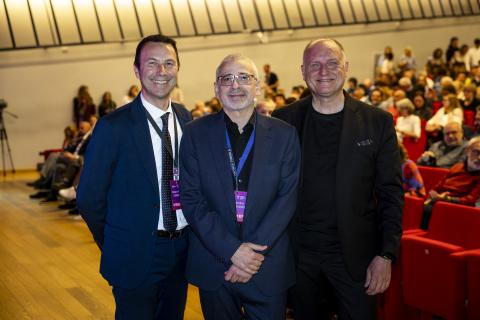 NomeCorgnati, Vespignani and Saracco
 - Immagine
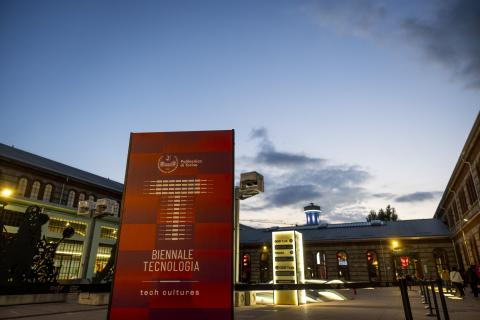 NomeBiennale Tecnologia at the OGR
 - Immagine
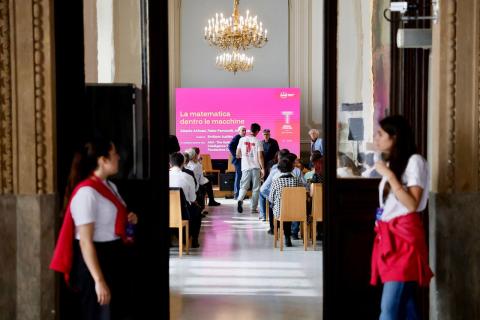 NomeTalk
 - Immagine
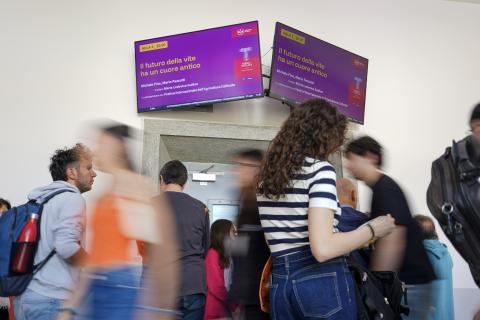 NomeBiennale in the corridors of PoliTO
 - Immagine
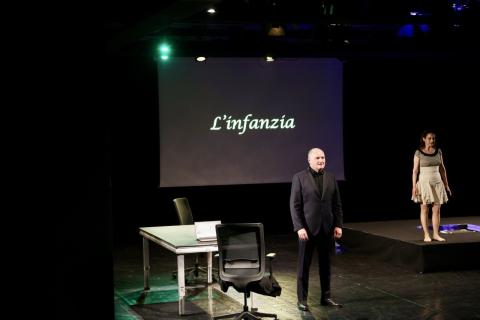 NomeBiennale at Teatro Vittoria
 - Immagine
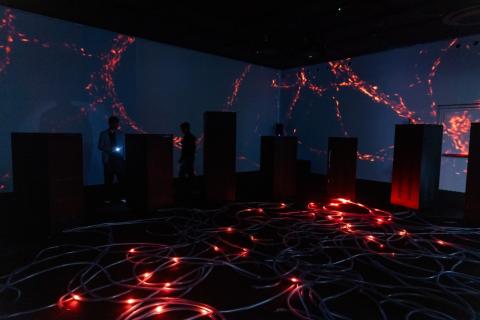 NomeExhibition
 - Immagine
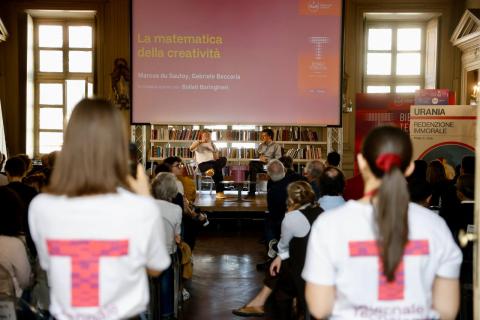 NomeSeminars
 - Immagine
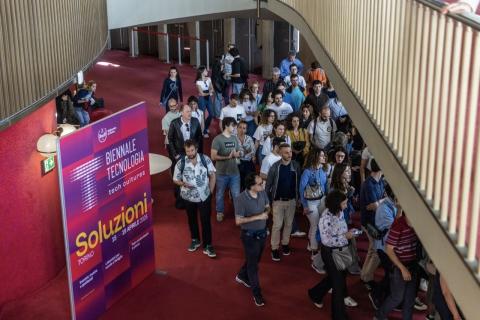 NomeBiennale at Teatro Carignano
 - Immagine
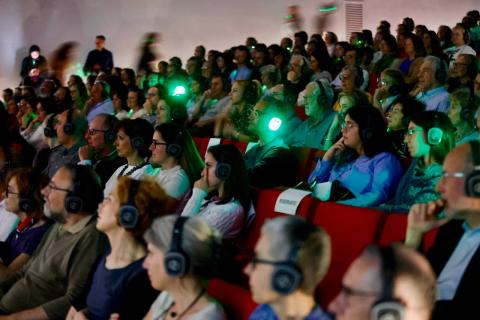 NomePerformance
 - Immagine
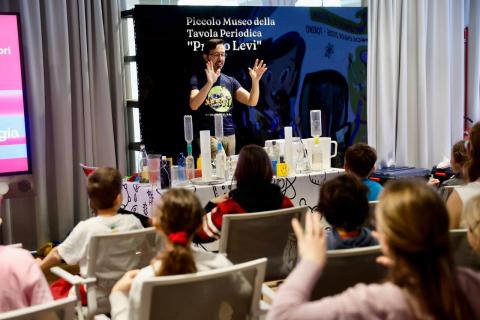 NomeWorkshops
 - Immagine
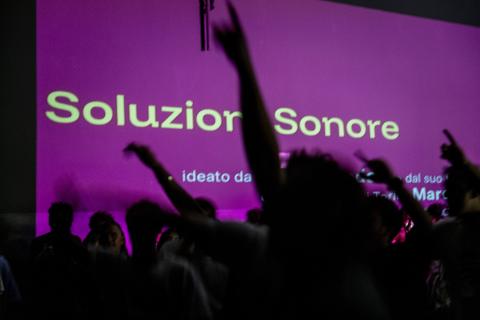 NomeConcert at Cap10100
 - Immagine
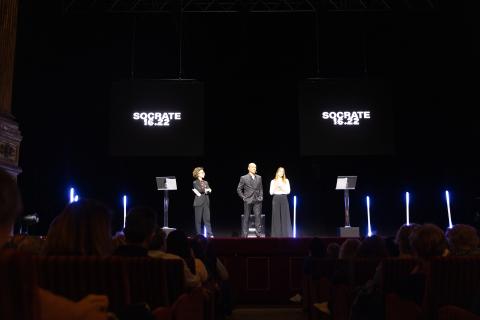 NomeBiennale Tecnologia at Teatro Carignano
 - Immagine
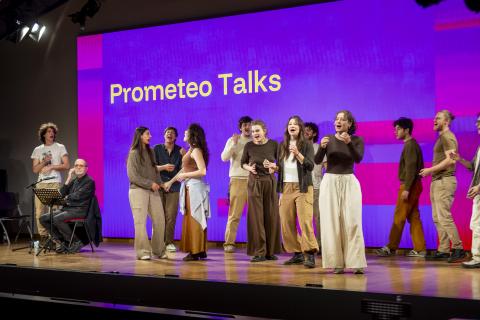 NomePrometeo Talks


Over the course of five days, Biennale Tecnologia brought together over 300 speakers from around the world for a total of 120 events, drawing enthusiastic audiences of all ages, including Turin residents and many tourists in the city that weekend. Over 14,000 people attended the events, with many selling out, including "Intervista al computer quantistico: qual è il suo segreto e perché tutti ne hanno paura?", "A tavola con la scienza" (Sala Emma Strada, Politecnico), "Soluzioni, innovazioni, città (Spazio Prometeo - Politecnico)", "La musica dell'acqua" (Accademia delle Scienze), "L'intelligenza artificiale e i diritti fondamentali" (Museo Nazionale del Risorgimento), "IA e democrazia. Anatomia di un impero tecnologico" (Teatro Regio, Foyer del Toro) and "Il destino dei popoli in lotta per la supremazia" (Gallerie d'Italia - Torino).
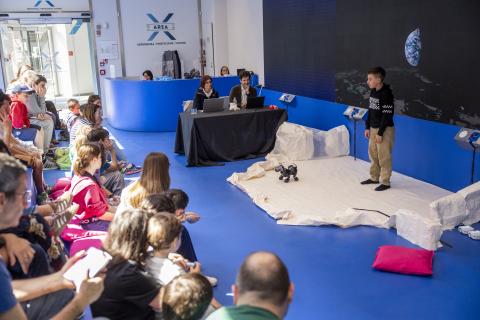
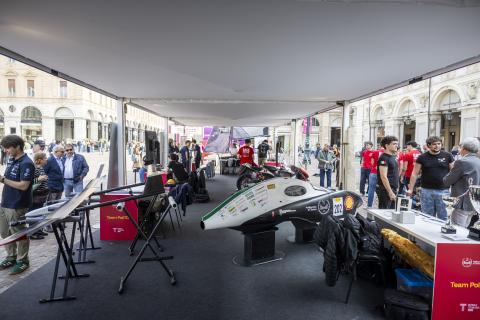
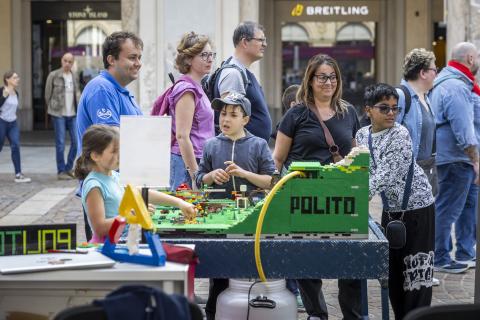
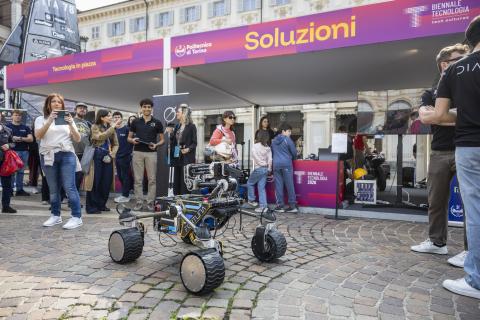
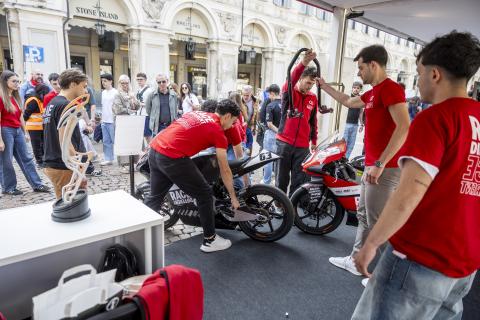
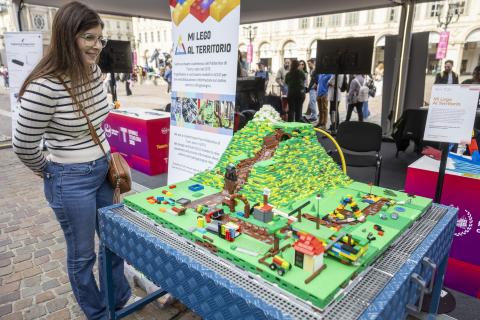
Biennale Tecnologia reaffirmed its commitment to schools through the city's "Torino Futura" project: the festival also promoted activities for younger audiences, with over 1,300 children and young people taking part in educational activities at Spazio 0-14 and workshops, including those run by Politecnico Aperto. 35 secondary school classes from Turin also participated, involving over 1,000 students; a further 150 students from schools outside Turin joined, from towns including Chieri, Novara, Forlì, Messina and Marsala. Tecnologia in Piazza brought 22 of the university's student teams to Piazza San Carlo, engaging over 25,000 people across Saturday and Sunday with demonstrations and presentations of projects, research and prototypes that captivated families, scholars and tourists alike.
All performances sold out, featuring, among others, Marco Paolini at OGR, Stefano Accorsi at Teatro Carignano, Tecnomusik at Conservatorio Giuseppe Verdi, "La sussurratrice" at Teatro Vittoria, and "Retrofuturo" and "Prometeo Talks" at Politecnico, drawing over 4,000 spectators in total.
This year, particular emphasis was placed on the relationship between technology and expressive worlds traditionally seen as distant from technical disciplines, through the format of artistic exhibitions. More than 15,000 people visited the exhibitions hosted at Museo Nazionale del Risorgimento, Gallerie d'Italia - Torino, Fondazione Sandretto Re Rebaudengo, Museo Nazionale del Cinema, Teatro Regio, Palazzo Birago, Museo Egizio and Politecnico.
All sessions from this edition have been recorded and are being uploaded to the Biennale website, where they will be available to watch on demand free of charge via the programme page, and on Politecnico's YouTube channel. This content will further enrich Biennale Tecnologia's digital archive. Until the 6th edition of Biennale Tecnologia.


- Immagine
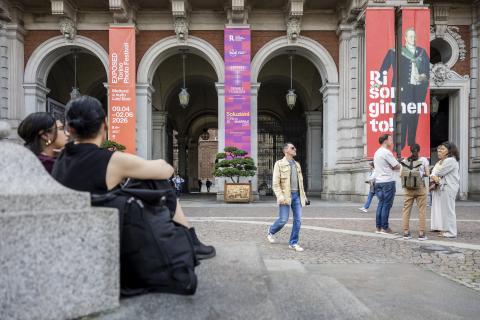 NomeBiennale Tecnologia in the center of Turin
 - Immagine
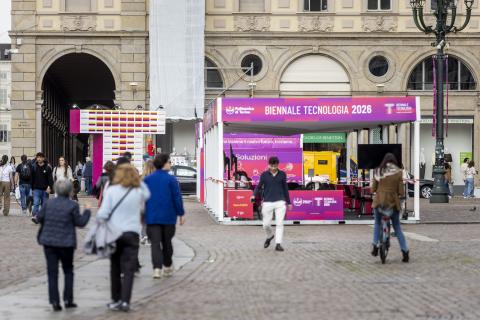 NomeBiennale in Piazza San Carlo
 - Immagine
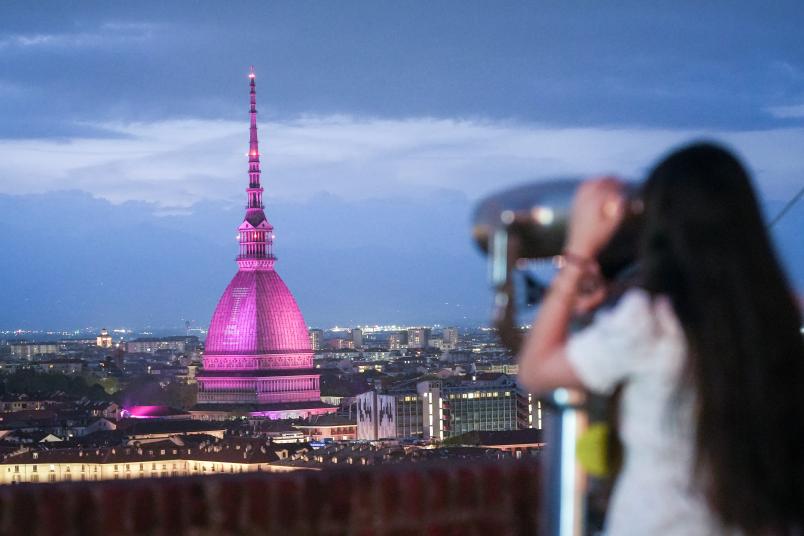
 NomeThe city in the colors of the Biennale
 - Immagine
 NomeInstallations
 - Immagine
 NomeArea X lab
 - Immagine
 NomeStudent teams
 - Immagine
 NomeStudent teams
 - Immagine
 NomeStudent teams
 - Immagine
 NomeStudent teams
 - Immagine
 NomeStudent teams
 - Immagine
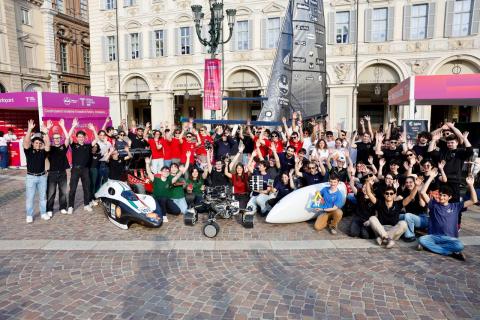 NomeStudent teams
 - Immagine
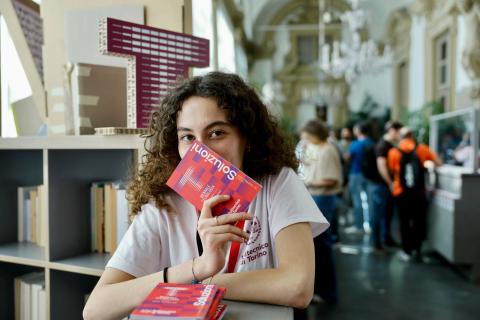 NomeIn search of solutions