“UTA-do?” New operational perspectives for African cities
In East Africa, the colloquial expression “UTA-do?” - a slang blending English and Swahili, the most widely spoken language in the region - is used to ask: “What are you going to do about it?” Inspired by this call to action and responsibility, the advanced skills course “UTA-Do (Urban Theory Africa–Doing) African Cities Summer School 2026”, promoted by Politecnico di Torino in Addis Ababa, set out to reflect on and propose solutions to the contemporary challenges of urban planning across the African continent.
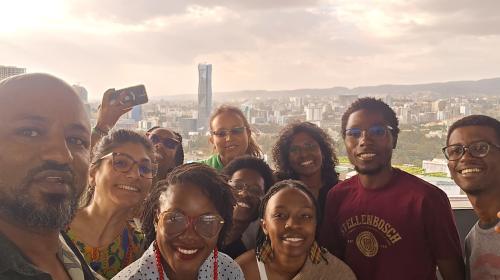
The course took place from 9 to 13 February in the Ethiopian capital and involved 23 participants from ten different countries. It was scientifically directed by professor Francesca De Filippi of the Department of Architecture and Design-DAD, referent of the Vice Rector for International Affairs for international scientific cooperation and experimentation of internationalization practices, and researcher Andrea Pollio of the Interuniversity Department of Regional and Urban Studies and Planning-DIST in collaboration with Liza Cirolia (University of Cape Town), Sylvia Croese (UC Irvine), Wangui Kimari (American University Nairobi), and Biruk Terrefe (Bayreuth University), with the support of The Urban Center Addis Ababa.
The initiative is part of the TNE23-00067 Wagon2Africa project, an international mobility and capacity-building program focused on the water–energy–food nexus in East Africa. The project is coordinated by Politecnico di Torino and funded by the Italian Ministry of University and Research through the TNE (Transnational Education Initiatives) program within the framework of the National Recovery and Resilience Plan (PNRR).
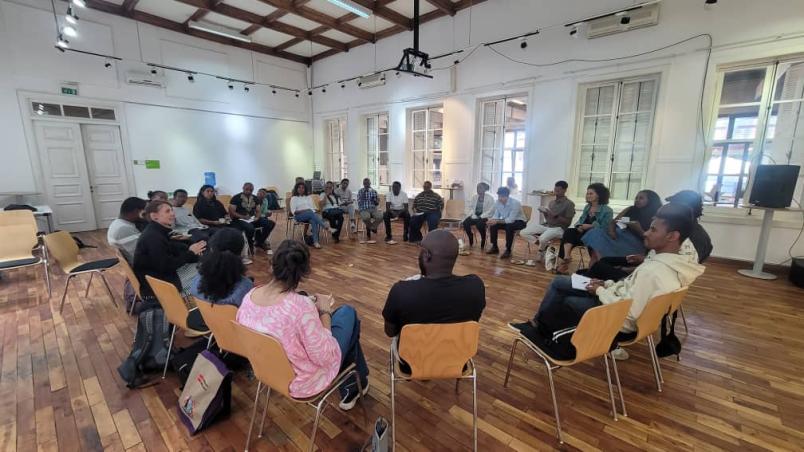
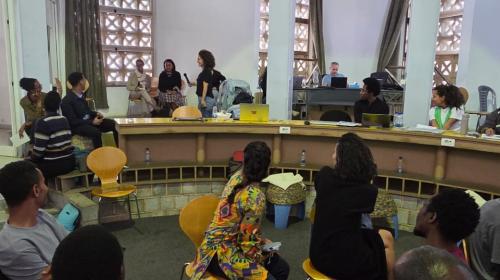
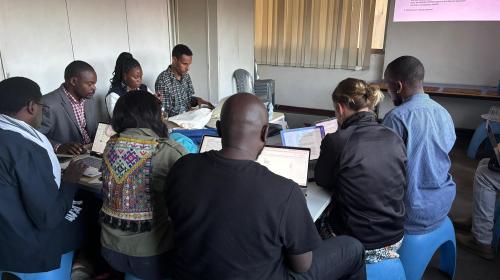
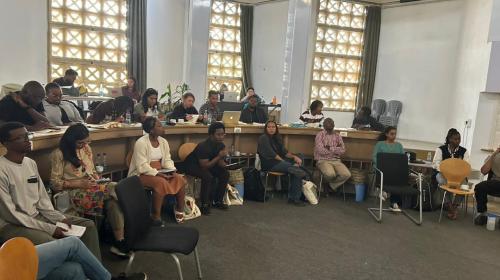
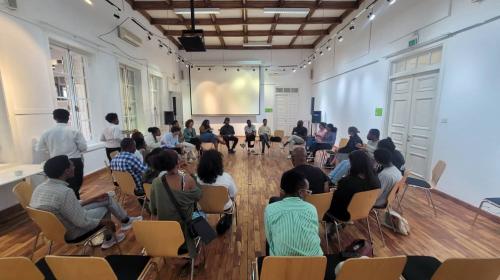
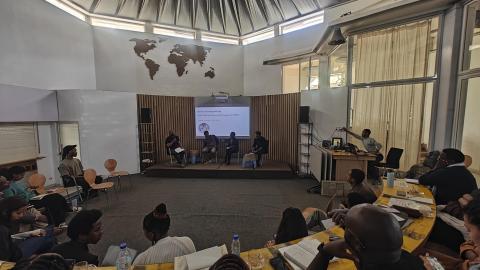
Hosted at the Urban Centre, Addis Ababa’s research hub that welcomed the course, the week alternated lectures and debates with film screenings, tutoring sessions, and skills development activities. Special attention was devoted to academic writing, scientific publishing, research methodologies, and collaboration between universities and professional practice.
To address the core question - “UTA-do?” - participants engaged with key themes including Southern Urbanism, which reinterprets cities of the Global South as spaces of theoretical and practical innovation; the Food City, focusing on urban food systems; Urban Waters, addressing access and infrastructure; the Energy City, examining networks and energy transition; and Addis Ababa’s global role, at the intersection of rapid urban growth and international relations.
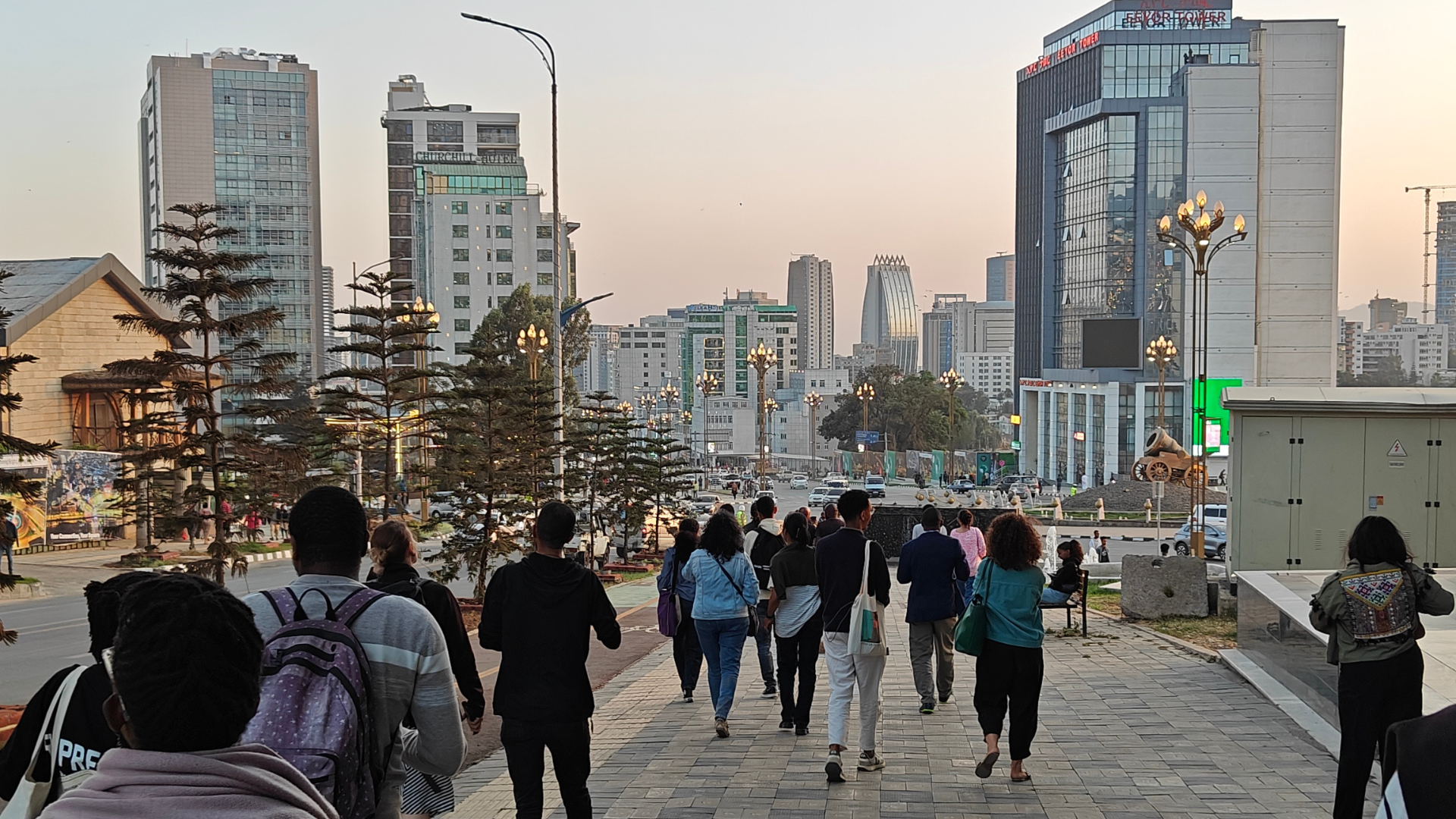
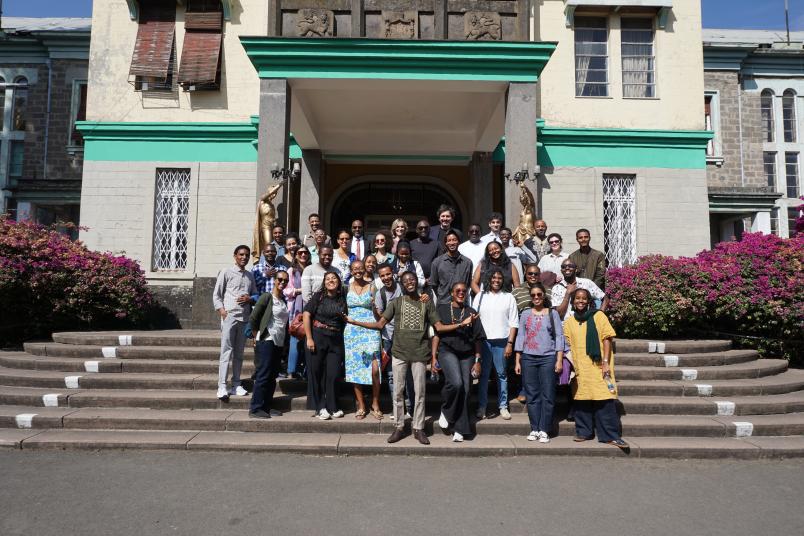
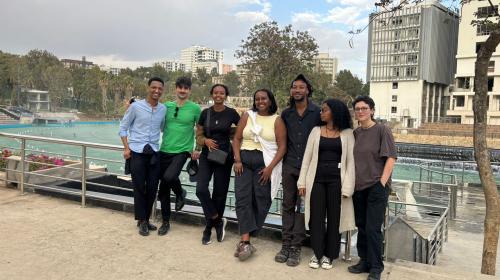
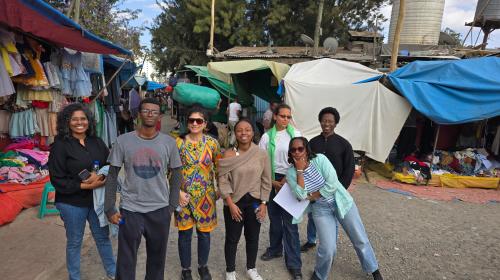
To gain deeper insight into the host city and its cultural context, participants explored different neighborhoods of Addis Ababa and visited the Yimtubezina Museum, dedicated to the preservation of Ethiopian historical and cultural heritage. They also toured the historic Genete Leul building, owned by Addis Ababa University and now functioning as a museum, at the heart of a restoration project coordinated by Politecnico di Torino and funded by the Italian Agency for Development Cooperation, in collaboration with Addis Ababa University and the Ethiopian Heritage Authority.
The visit to the palace was guided by Michele Bonino, Director of the Department of Architecture and Design-DAD and scientific coordinator together with professor Francesca De Filippi of the restoration project for the University.
The week concluded with a screening of the documentary Made in Ethiopia at the Goethe-Institut, providing a collective moment of reflection on the country’s ongoing economic and social transformations.
International scope and interdisciplinarity were defining features of the course. On one hand, participants came from a wide range of countries, predominantly from East Africa; on the other, speakers represented academic, professional, and artistic fields.
The exchange of diverse experiences, approaches, and expertise fostered a critical and constructive dialogue, equipping participants with analytical tools and operational insights to address contemporary urban challenges in Africa, while strengthening African perspectives within the global urban debate.
- Immagine
 NomeThe participants in the Advanced Skills Course
 - Immagine
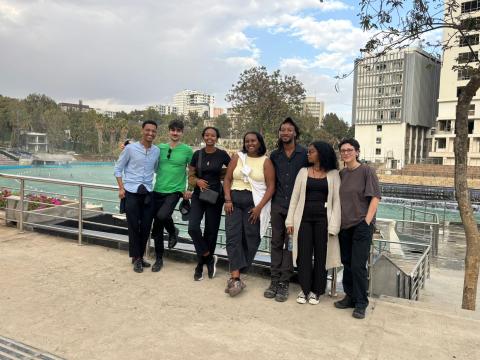 NomeThe participants in the capital of Ethiopia
 - Immagine
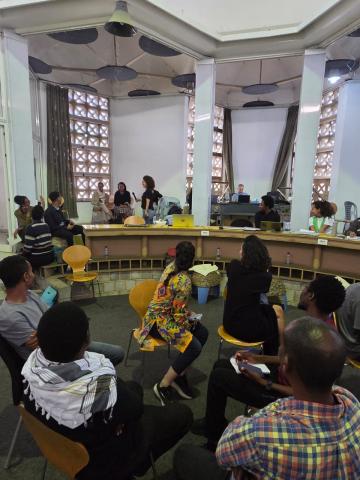 NomeThe course participants
 - Immagine
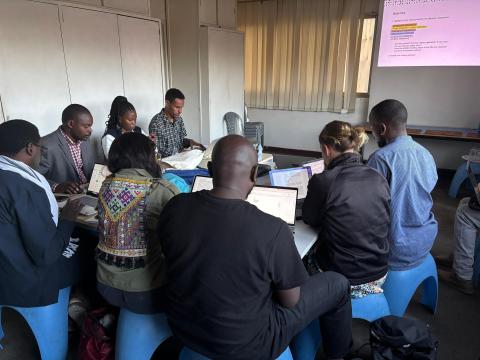 NomeDuring the course
 - Immagine
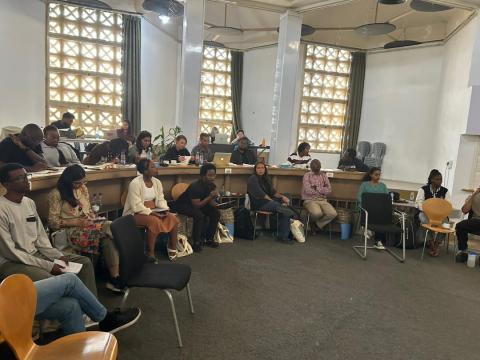 NomeThe participants in the project
 - Immagine
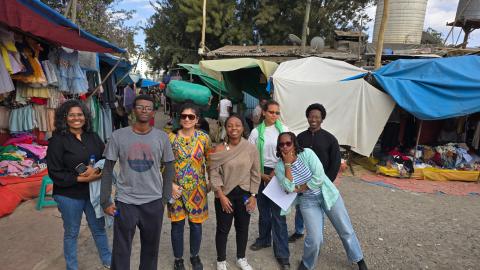 NomeVisits to the city neighborhoods
 - Immagine
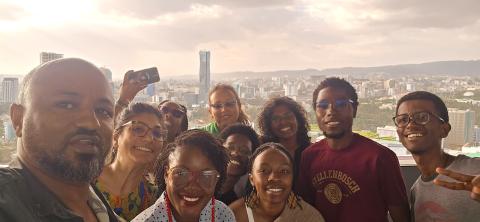 NomeOn a visit to Addis Ababa
 - Immagine
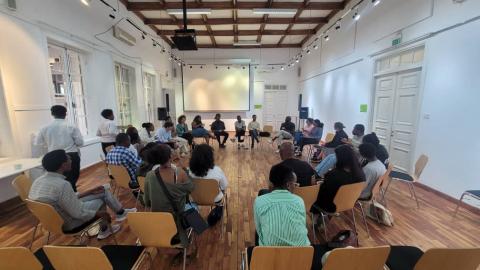 NomeA week dedicated to reflecting on the regeneration of African cities