

Precision satellite positioning: the SPIN3 GNSS system
Achieving centimeter-level accuracy in pinpointing the position of a point on the ground, well beyond the capabilities of standard GPS measurements now in everyday use, is a reality. This level of precision has already been implemented in several Italian regions and, in Northwestern Italy, is available to professionals involved in land safety, construction, infrastructure management, and in many other fields. The Department of Environment, Land and Infrastructure Engineering-DIATI at Politecnico di Torino, took the first step. Today, the technology is ready to be extended to other areas of the country.
What DIATI has achieved is, essentially, a significant improvement in the positional accuracy provided by standard GPS systems. Typically, these systems offer accuracy within a few meters and are sufficient for most everyday activities. “However, if you must carry out geodetic and topographic operations in support of major construction or engineering works, or interventions to ensure the safety of people and infrastructure, centimeter-level precision becomes necessary,” explains Alberto Cina, lead researcher and professor at DIATI. The objective of the studies? Surpassing the accuracy limits of GNSS (Global Navigation Satellite System), the system used every day on mobile phones.
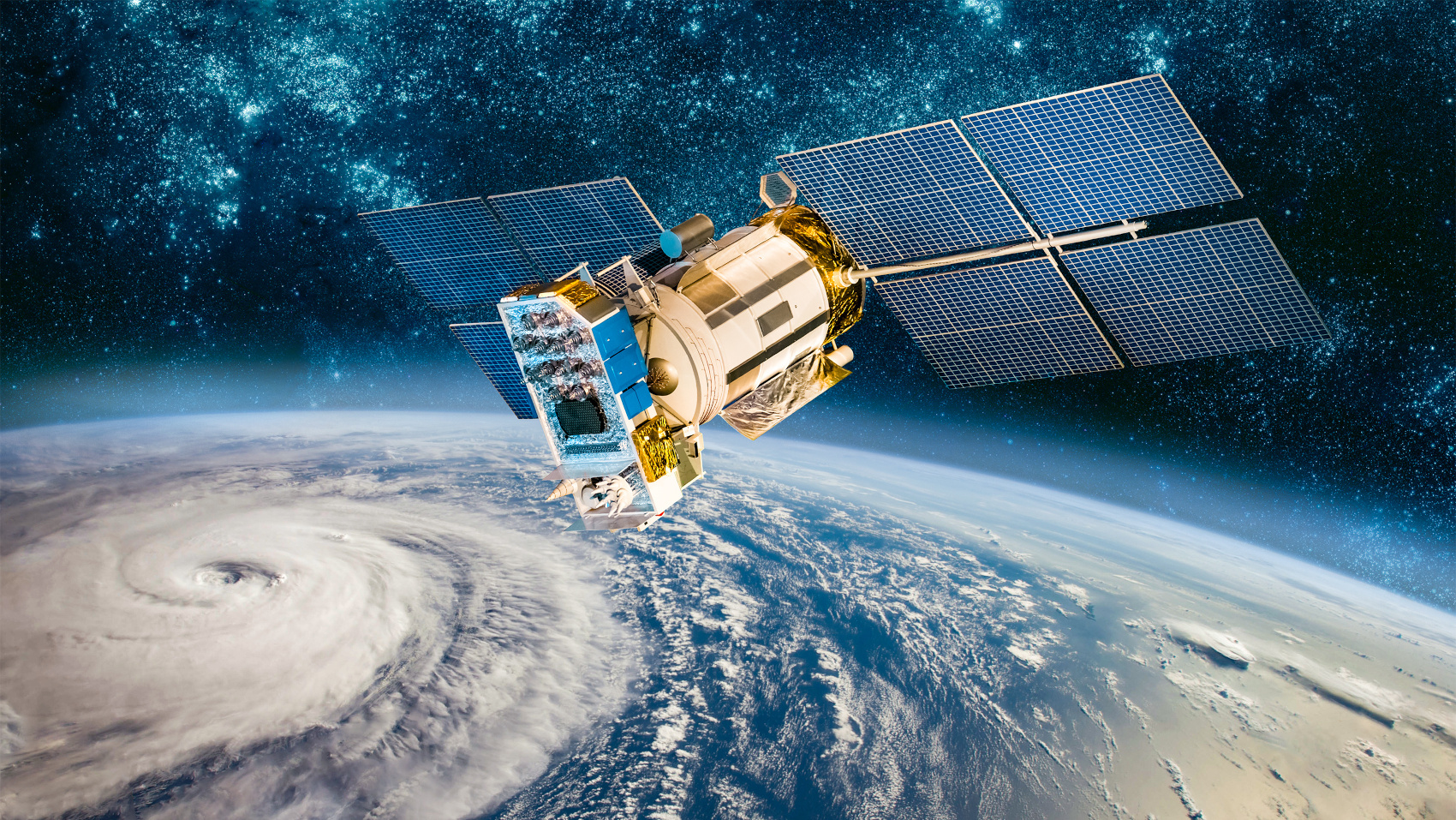
GNSS uses all satellite constellations that provide positioning, navigation, and timing services worldwide, not only GPS (United States), but also Europe’s Galileo, Russia’s GLONASS, and China’s BeiDou.
Professor Cina explains: “We decided to use a point-identification method based on differential positioning: rather than determining an absolute position, we calculate a corrected position relative to known reference points, using specific GNSS receivers with high-precision antennas, or ‘permanent stations.’ Effectively, we created the first experimental network of permanent stations in Italy, although the system was used exclusively for our research”.
The experimental activity was then presented to Regione Piemonte, which commissioned a feasibility study and subsequently the design of a network of permanent stations for the region as early as 2003. The network became operational a few years later and, over time, expanded to include Lombardy and Valle d’Aosta. The current system, called SPIN3 GNSS, includes more than 30 stations, among them the historic Politecnico station, active since 1996. The entire system is managed by the Consorzio per il Sistema Informativo (CSI).
Today, the positioning service is used by engineers, surveyors, and design firms. Politecnico still provides part of the continuous data stream that supports the network’s operation, and is also its primary user, for both research and teaching purposes. On this point, Gian Bartolomeo Siletto, official of the Territorial and Environmental Information Systems Sector at the Environment, Energy and Territory Directorate of Regione Piemonte, emphasizes: “Collaboration with Politecnico was fundamental to the creation of the SPIN3 GNSS satellite positioning service, which currently covers not only Piedmont but also Lombardy and Valle d’Aosta, and is used by more than 11,000 registered users”. By strengthening cooperation with other Italian regions, Regione Piemonte aspiration for the future is to expand GNSS service coverage across the national territory.
Research, nevertheless, has continued. The permanent Politecnico station is not only part of the SPIN3 GNSS system, but also contributes to establishing the European geodetic reference system within EUREF, and to the Italian national system as a node in the National Dynamic Network (RDN) of the Military Geographic Institute (IGM). Politecnico is also working to extend the measurement network to highly challenging areas, such as high mountains and glaciers, while addressing one of the major challenges in positioning: signal delays in the lower atmosphere.
The potential applications are extensive, and precise positioning is becoming ever more important for modern technologies. The system can play a crucial role in regulating and controlling railway traffic, enabling autonomous driving systems, and supporting precision agriculture interventions.