Politecnico at the centre of international training on nature-based urban planning
The Erasmus+ BIP (Blended Intensive Programme) project “Nature-based urban planning for societal transitions - II edition. The Landscape Approach”, an international training course dedicated to sustainable urban planning and Nature-Based Solutions, has come to an end at Politecnico. Organised in partnership with the Instituto Superior Técnico of the University of Lisbon and the Royal Institute of Technology (KTH) in Stockholm, the programme involved 26 students and 8 teachers from a dozen different countries, including the United States, Canada, Indonesia, India, Brazil, Portugal, Sweden and Iran.
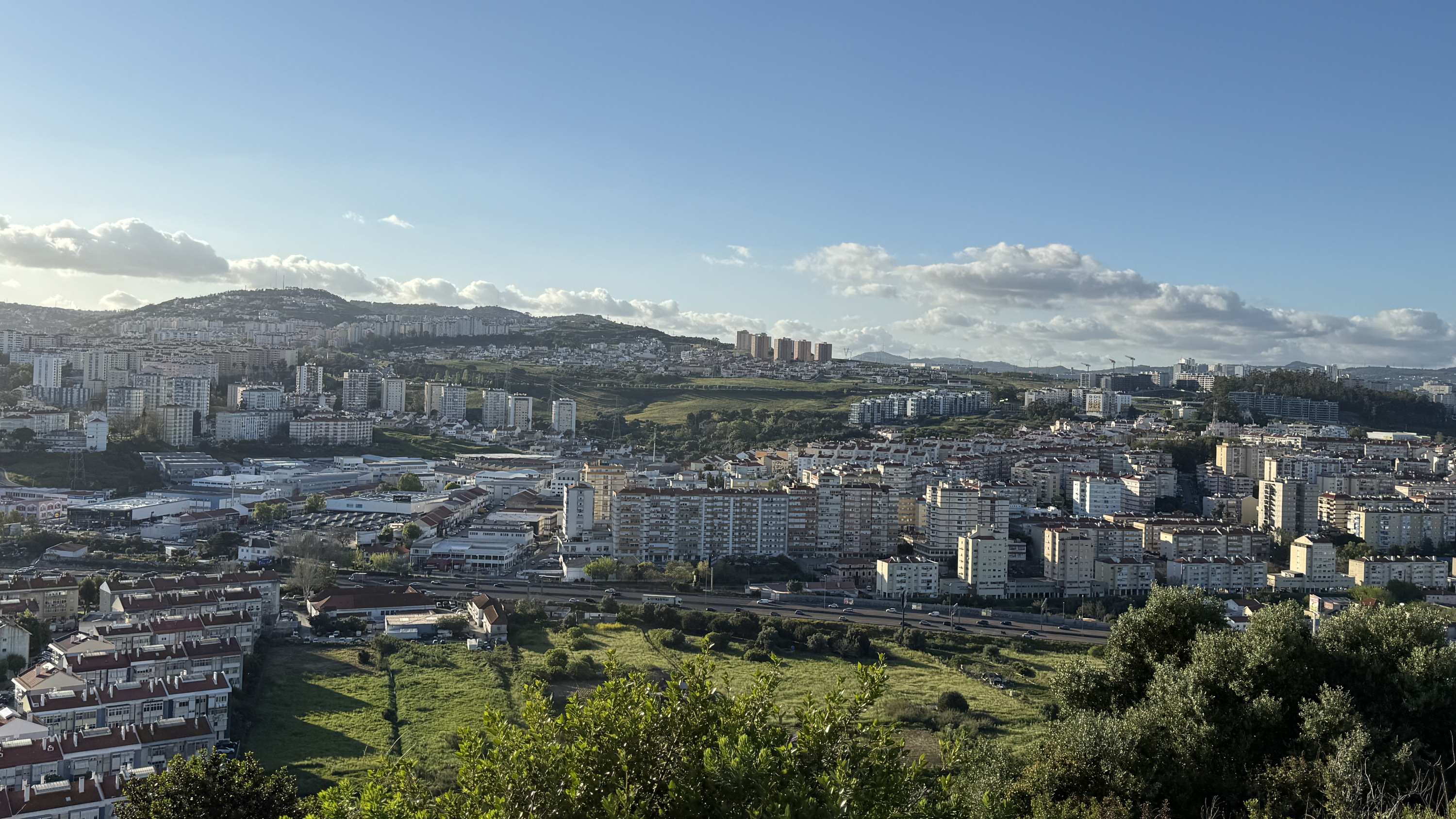
Nature-Based Solutions are now one of the central themes in the international debate on urban and environmental policy. By leveraging natural processes, these solutions aim to restore, sustain and introduce ecosystem functions, fostering essential ecosystem services. In this context, the concept of ‘Nature-Based Planning’ proposes an approach to urban planning that goes beyond mere environmental regeneration, promoting instead a holistic redesign of urban and territorial settlements based on natural processes.
Following on from the first edition held in Lisbon, Politecnico contributed to the second edition by proposing the so-called “landscape approach”, a holistic approach that links culture and nature, conservation and innovation, in keeping with PoliTO’s academic tradition.
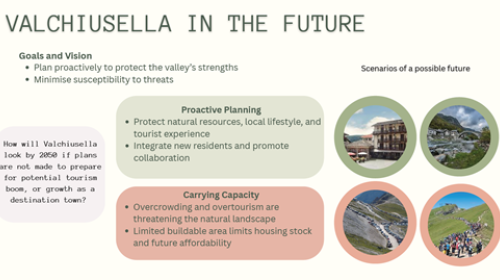
The case study selected for this edition arose from collaboration with the Green Community “Di acque e di pietra” – Unione dei comuni montani della Valchiusella and Traversella Municipality – and focused on the theme “Improving well-being and tourism in Valchiusella through nature-based and heritage-based solutions”.
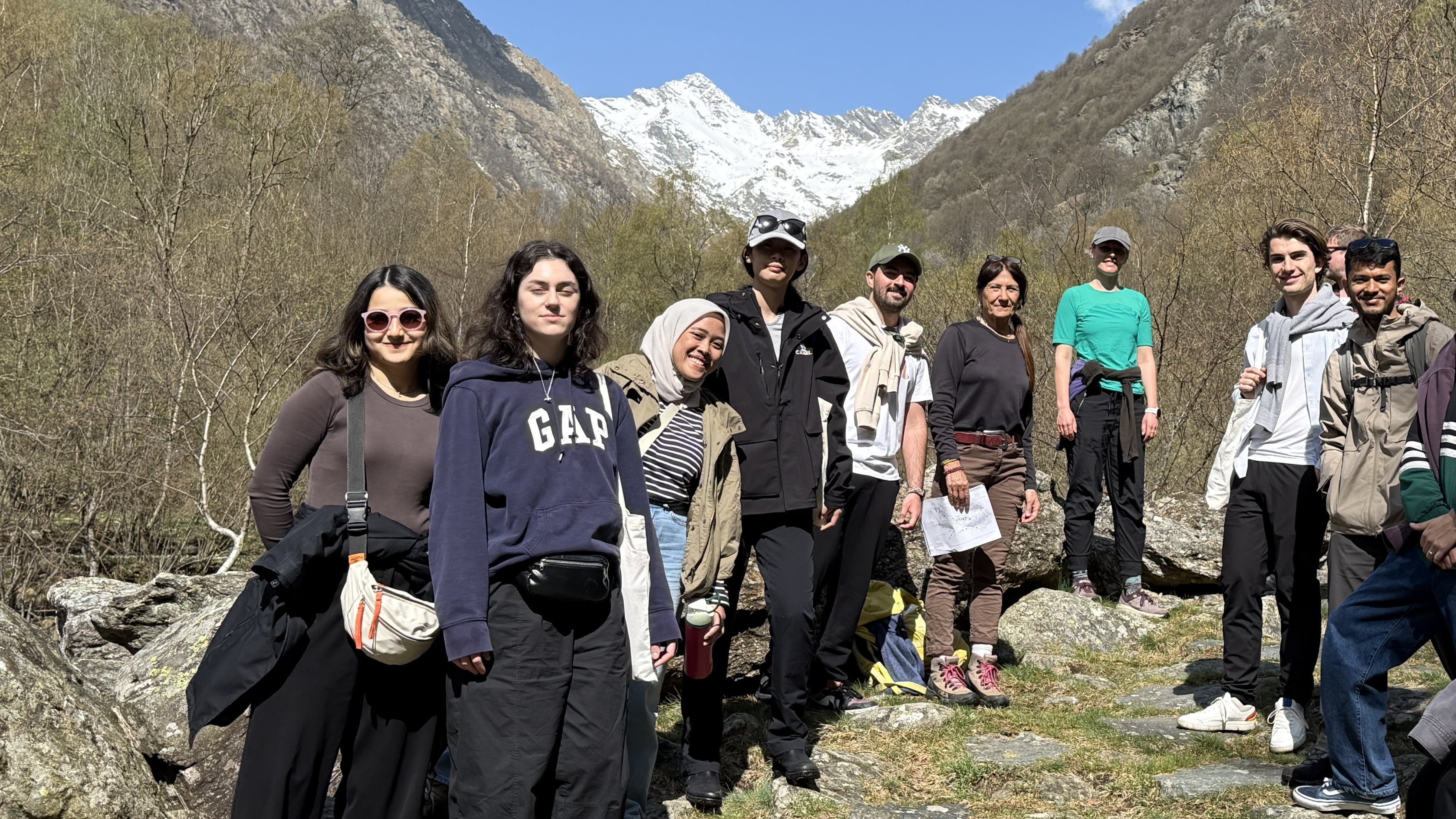
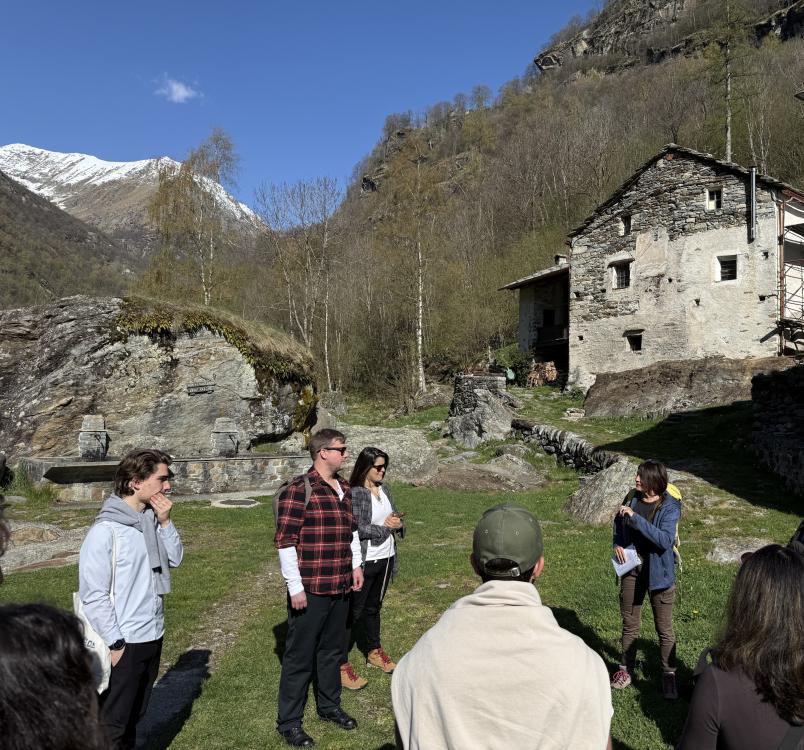
The programme adopted a research-by-design, transdisciplinary, and field-based methodological framework. After an initial phase of online lectures and virtual interactions, the participants met in Turin before going to Valchiusella, where they spent five days in a mountain hostel, experiencing the local area first-hand and engaging with local communities. Guided tours, meetings with stakeholders and activities in the local area enabled participants to gain a deeper understanding of the needs, values and aspirations of the various social groups involved: old and new inhabitants, farmers, local administrators and community workers.
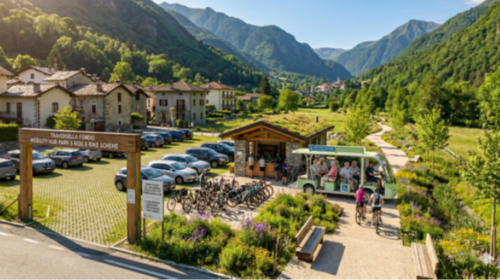
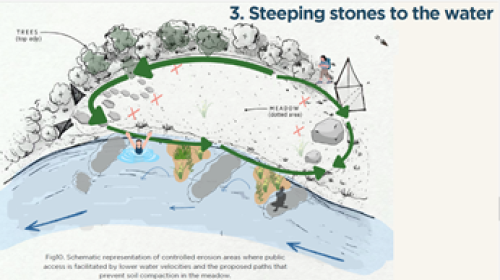
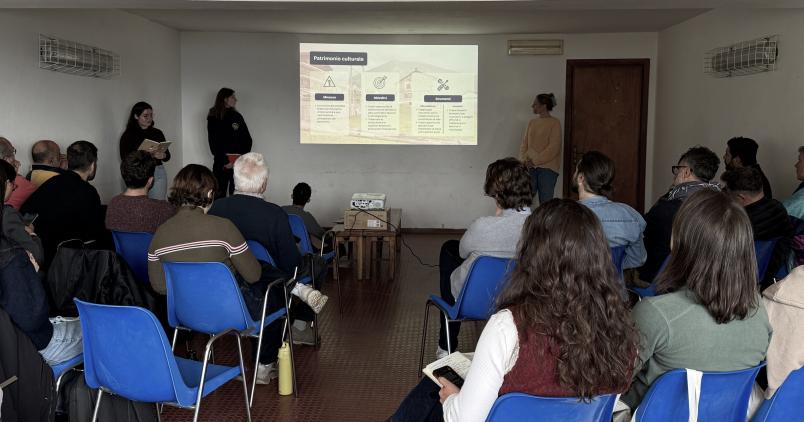
Starting from this direct dialogue, the students elaborated strategies and proposals for the sustainable development of the valley, which were subsequently presented and discussed during a closing event with local stakeholders and decision-makers. The project ideas that emerged included strategies for seasonal decentralisation, new mobility models, guidelines for the sustainable management of visitors and newcomers, as well as multifunctional interventions along stream banks to combat erosion and hydrogeological risk.
For many participants, the experience marked their first direct encounter with the real world of a rural area, offering them the opportunity to gain a practical understanding of the interconnections between societal and ecological processes. The final evaluation sheets highlighted a strong appreciation for the programme’s international and collaborative nature. As the participants themselves described, the experience allowed them to “link theory and practice in a real-world context”, engage with students and teachers from different countries, and experiment with new ways of collaborative work in the field, experiencing first-hand the relationship between local communities, the landscape and sustainable planning.
“The programme made it possible to experiment with various teaching strategies, from collaborative online learning (COIL) to on-site design workshops,” commented Claudia Cassatella, professor in the Interuniversity Department of Regional and Urban Studies and Planning-DIST, who coordinated the activity with her colleagues Emma Salizzoni, Gianni Lobosco and Enrico Gottero – “The hybrid format is perfectly suited to the needs of international planning education. I wish that all my classes could entail an intensive on-site activity. Obviously, the limited number of students is a key factor.”
The next edition of the programme, the third, is already underway and will take place in Sweden.