

Altered Materials: from research to industry, new solutions for more sustainable farming
Altered Materials was founded to make the use of biostimulants and biopesticides more effective and efficient, helping to build a more affordable and environmentally friendly approach to agriculture. It is one of only a handful of spin-offs recognised by both Politecnico and the University of Turin, and, having validated its technology at the industrial level, is now turning to companies in the agrochemical sector to bring its innovations to market.
Founded in October 2025, Altered Materials can now count on a multidisciplinary team with expertise in chemical and management engineering as well as agronomy. The goal is to support an effective transfer from research to agricultural production, helping to reduce the field use of synthetic fertilisers and pesticides through higher performing biostimulants and biopesticides.
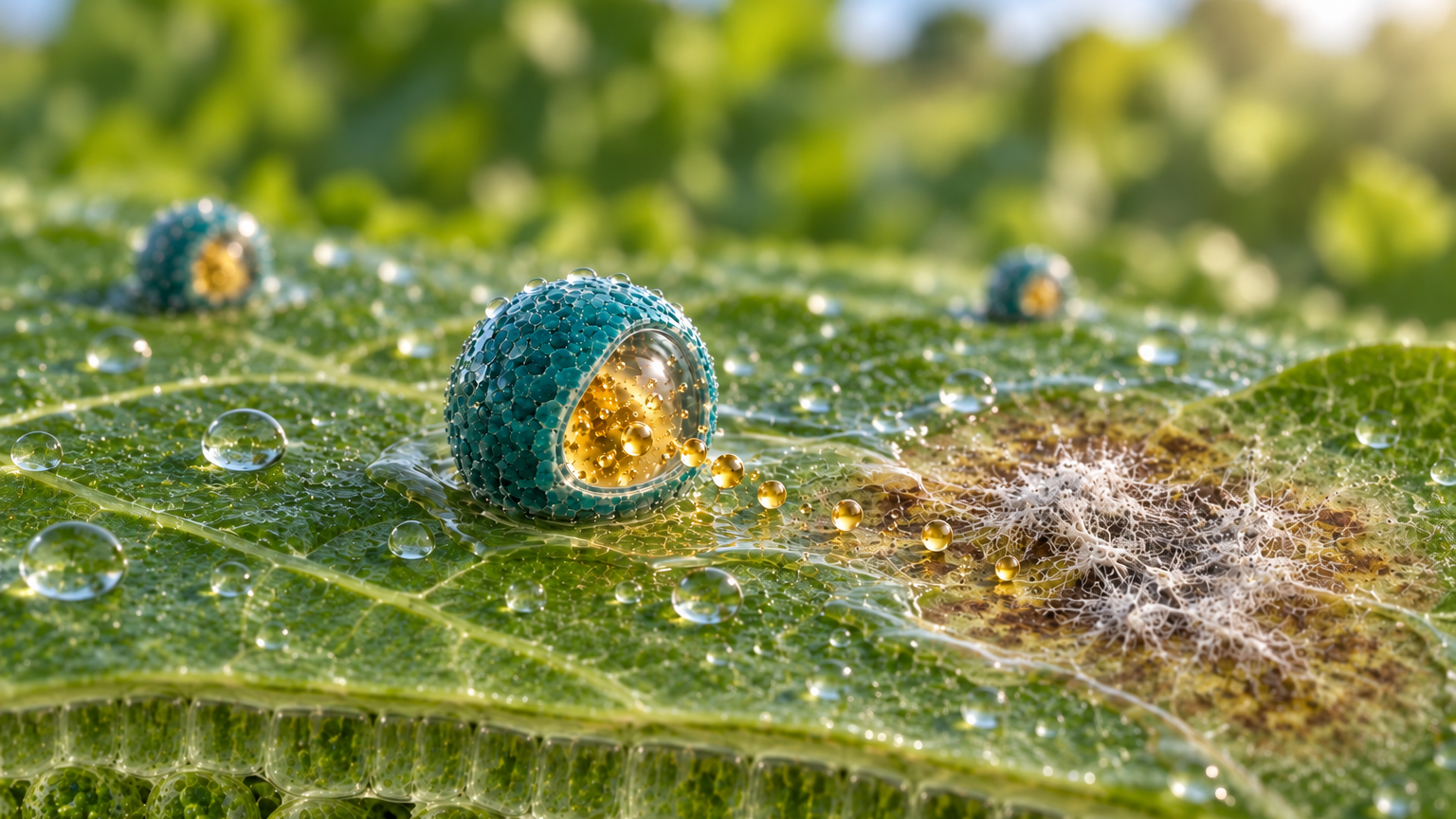
"The limited adoption of these natural products is due to their poor reliability in the field, caused by stability issues and how quickly they degrade – explains Marco Illich, CEO of Altered Materials – We have therefore developed a technology to encapsulate these products using fully biodegradable materials, making them more persistent and therefore more effective, while also cutting the cost per hectare of use".
The technology is innovative not only because it stabilises the product, but also because the materials used can gradually release the active ingredient, whether a biostimulant or a biopesticide, in response to biochemical signals emitted by plants under nutritional stress or to the presence of specific substances produced by pathogens.
The spin-off has already won several awards and recognitions, both in Italy, including the Premio Impresa Ambiente 2026 (Special Innovative Startup Award), and internationally, including the EIT Food Accelerator Network FAN 2026 and MassChallenge Switzerland 2026.
"From the outset, we worked to create capsules that could be produced at low cost", notes Illich, who adds: "We use biodegradable materials that are completely plastic-free and already included in the catalogue of materials approved under European regulations".
Altered Materials is currently in the research and development phase (at a technology readiness level of TRL 5) and is running a Proof of Concept project with a leading Italian company in the sector, developing an encapsulated biostimulant together. A field trial on tomato crops has also already been carried out.
The projected savings compared to non-encapsulated products are significant: the field persistence window increases three to five times, the number of applications required can be reduced by 30 to 40%, and the use of synthetic chemical products drops by 10 to 20%; economic savings can reach around €200 to €400 per hectare.
The goal is to enter the market around mid-2028 with at least two formulations. Illich explains: "To reach a marketable product, we need to factor in the certification process, which is shorter for biostimulants and longer for biopesticides. That's why we're ready to work with companies to bring our solutions to market as soon as possible".