


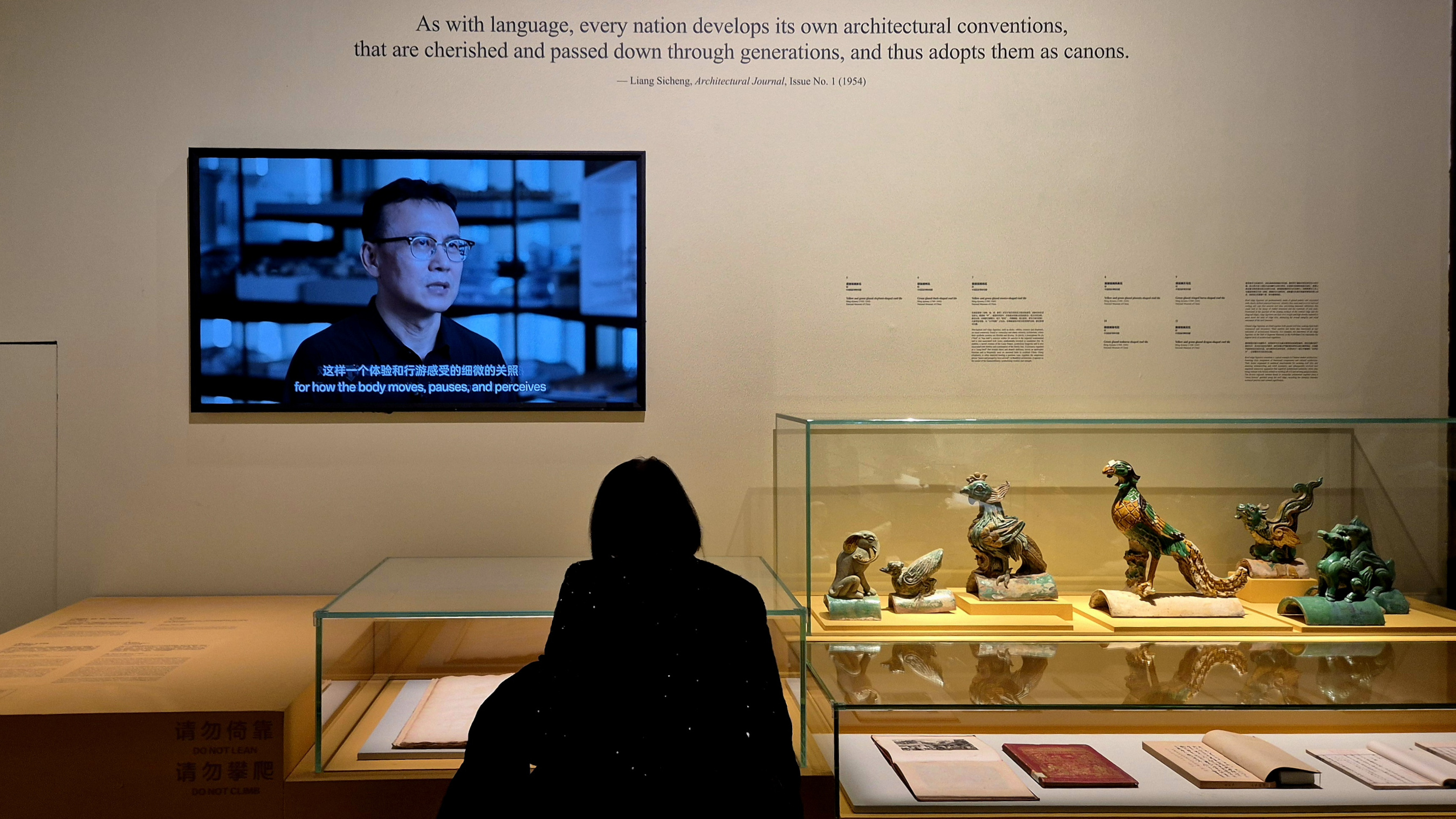
PoliTO in China for the celebrations of the architect Andrea Palladio
On the 55th anniversary of diplomatic relations between Italy and China, the Embassy of Italy in Beijing and the Italian Cultural Institute of Beijing have promoted an unprecedented exhibition program in China dedicated to Andrea Palladio, the genius who created an architectural language of immense global influence.
Currently on display at the National Museum of China, until May 15, is the major historical exhibition “Geometry, Harmony and Life. The Architecture of Andrea Palladio from the Ancient to the Classical”, which presents drawings, original models, and even a copy of “The Four Books of Architecture” brought to China by Matteo Ricci in the 17th century.
The exhibition highlights striking parallels between Palladio’s vision and the Chinese architectural tradition, such as the emphasis on geometric proportions, symmetry, harmony with nature, and the value of ancient heritage, portraying Palladio as a bridge between East and West.
Curated by CISA – the International Center for Architectural Studies Andrea Palladio – and Istituto Treccani, the exhibition features contributions from PoliTO Department of Architecture and Design-DAD through video interviews with Yung Ho Chang, Li Xinggang, and Zhang Li, three leading figures in today’s Chinese architectural culture.
This initiative anticipates a second exhibition in the broader Palladian program in China: “Chinese Voices on Palladio”, scheduled to open in June 2026, curated by PoliTO DAD, Tsinghua University, and Istituto Treccani.
An international curatorial team has produced twelve video interviews in which some of the most renowned contemporary Chinese architects (in addition to those already mentioned, figures such as Zhu Pei, Gong Dong, and Wang Hui from Urbanus) reflect on Palladio’s legacy, sharing their personal interpretations and the influence of the master from Vicenza on their professional experience and on 21st‑century architectural culture.
These testimonials will be accompanied by a series of installations – models, drawings, and conceptual objects – created by the same architects, forming a landscape of ideas for the audience to explore freely. PoliTO contribution to all of this goes beyond technical production, positioning within a scientific framework aimed at exploring how the cultural context of the Renaissance can still interact with today’s challenges in architectural design and education.


- Immagine
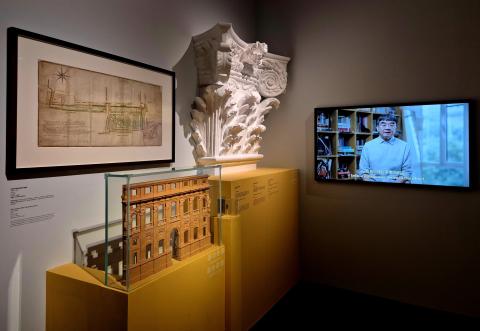 NomeVideo interview with Yung Ho Chang
 - Immagine
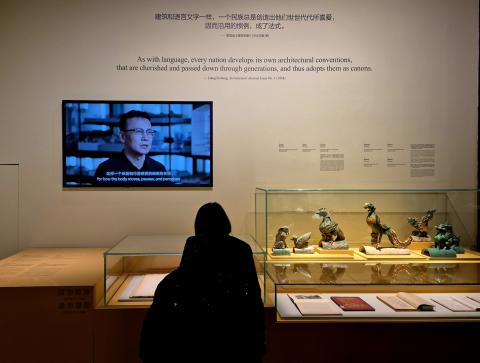 NomeVideo interview with Li Xinggang
 - Immagine
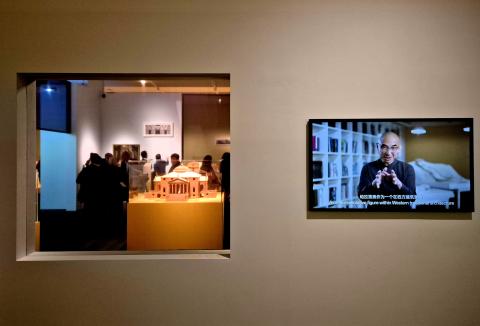 NomeVideo interview with Zhang Li
 - Immagine
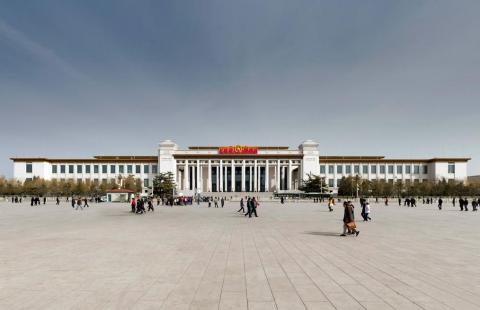 NomeNational Museum of China


