


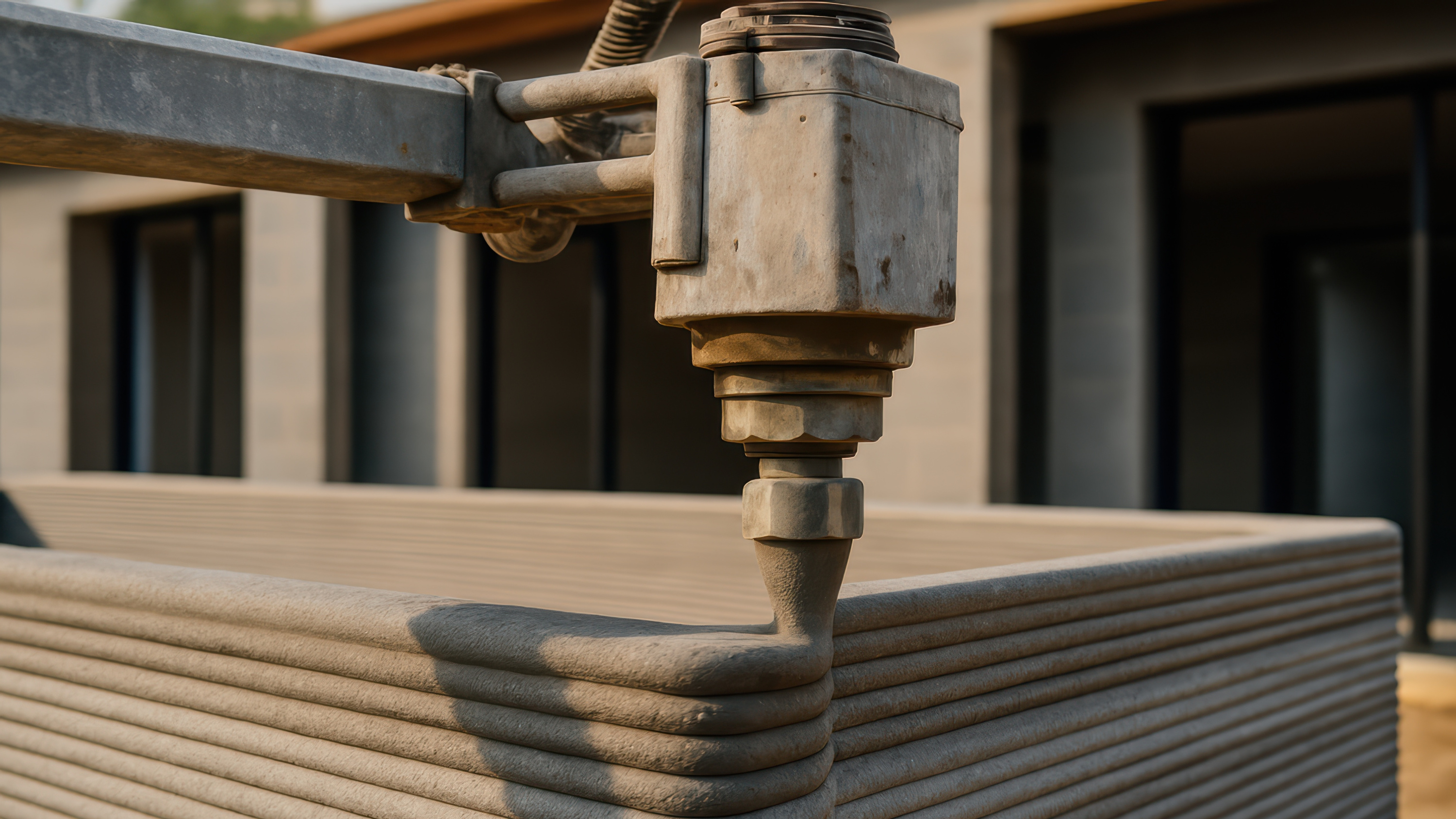
A 3D printer to revolutionise construction
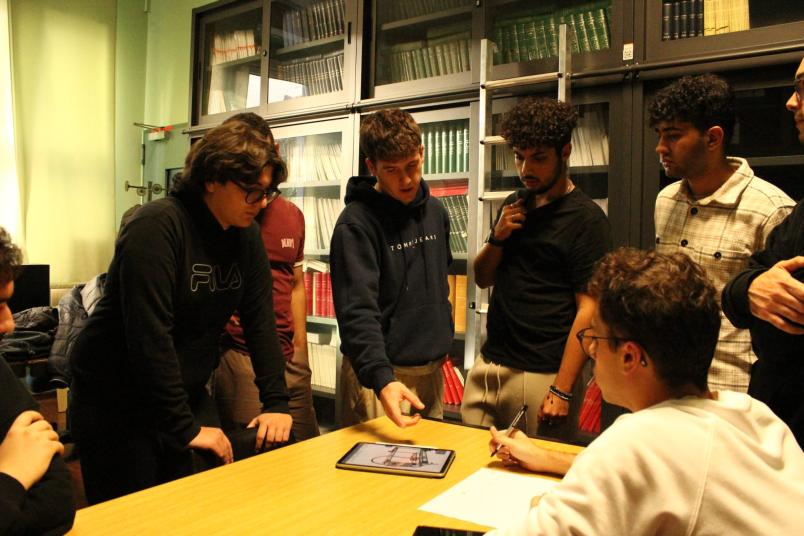
Creating a 3D printer capable of producing concrete objects with automatic reinforcement insertion during the printing process. This is the goal set by ConcreToPrint, the university student team that was formed just a few weeks ago but has already attracted numerous members. Although it has only just been set up, ConcreToPrint is able to offer companies a wide range of opportunities for collaboration on a project that could revolutionise the way we build.
The goal of ConcreToPrint, explains Lorenzo Conte, team leader of the group, is to "bring the future into construction and design: 3D concrete printing is in fact the latest technological frontier that promises great benefits and wide versatility. Of course, the challenges we face are many and complex: one above all, trying to automatically insert the reinforcement during the printing phases. To achieve this, we need a variety of skills (mechanical engineering, computer science, materials science, design)". ConcreToPrint is an important challenge, which has been taken up by around 60 students and is of considerable interest not only to construction companies but also to mechanical and electronics companies.
Alessandro Pasquale Fantilli, professor at the Department of Structural, Geotechnical and Building Engineering-DISEG and academic advisor to the team, outlines the steps that ConcreToPrint has planned. "The first objective is to build an ‘in-house’ 3D printer capable of producing concrete objects. The second step is to create a printer that is easily transportable. The third stage will be to develop a procedure for inserting reinforcement into the concrete created by the 3D printer. For this last part, we are in contact with colleagues at Tohoku University in Japan, who are also conducting research in this area and we have established contacts between groups of students of the two universities".
There are numerous important advantages to a device of this kind. Today, there are already 3D printers for concrete production, but these devices are not capable of inserting reinforcement. Compared to traditional procedures, the use of a 3D printer capable of completing the job including also concrete reinforcement, would result in significant savings in time and materials and, therefore, costs. It would also expand the possibility of creating more complex shapes than traditional ones. Efficiency would be enhanced by the device's portability, thus enabling less expensive construction. However, there are numerous considerations to bear in mind, which the team will work on: the composition of the concrete, the efficiency of the entire machine that will have to build the structure from the design stage, and the electronic and IT aspects, as well as the mechanical ones.
The group also states that it intends to contribute with its work to Goal 1 of the 2030 Agenda, “End poverty in all its forms”: this type of sustainable and transportable tool could in fact represent a solution for more modern yet economical construction in developing countries.
ConcreToPrint is now looking for companies interested in participating in the development of the project on numerous fronts related to the creation of the printer as well as its application in construction. “We are interested and open to various forms of collaboration, from sponsorship to research support, which could also help speed up the time it takes to achieve the first results,” concludes the Team.