


PoliTOMars: from Mars, ideas and technologies for the future on Earth
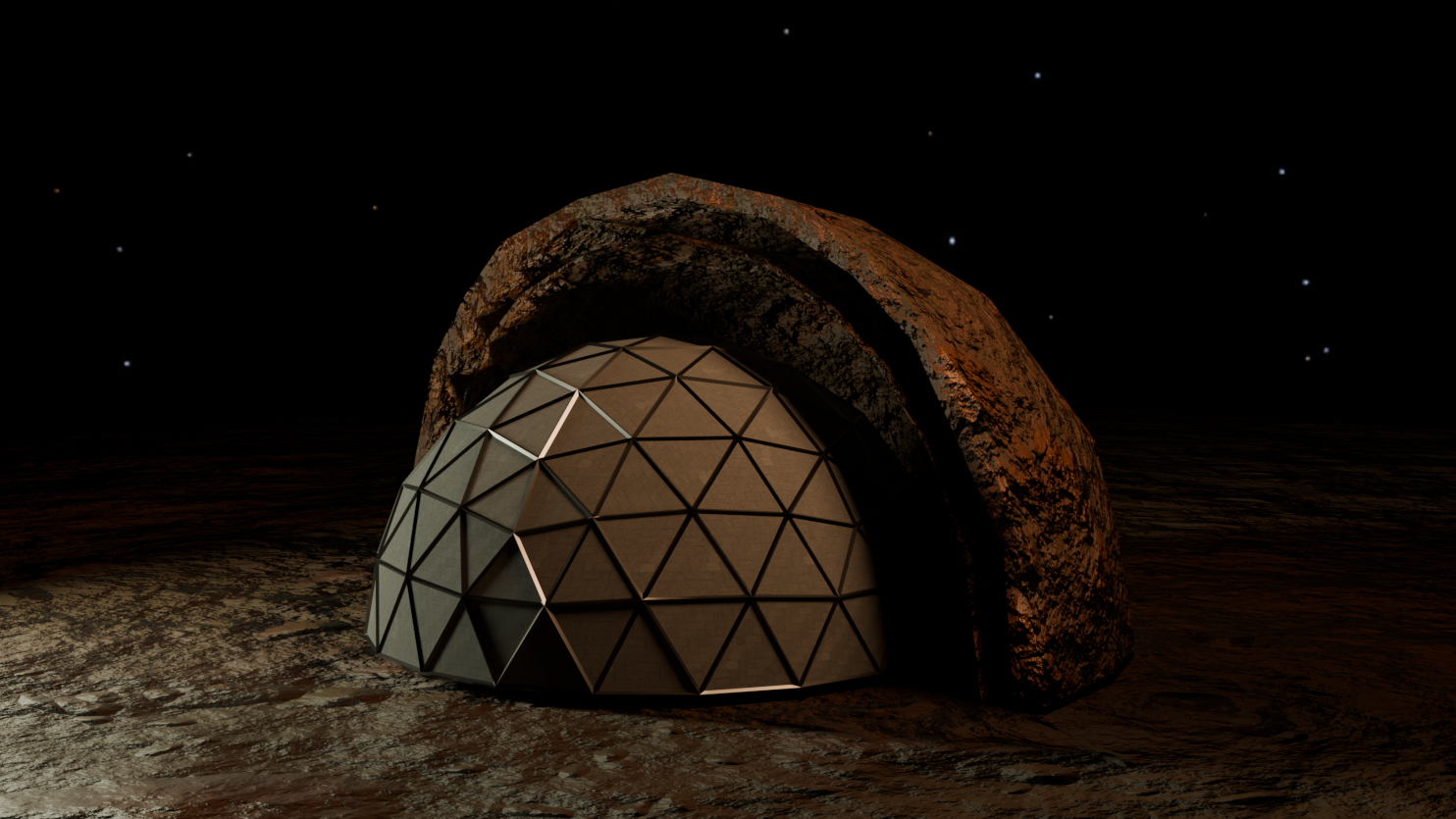
Designing and defining, in every detail, a habitable, self-sufficient colony on Mars. This is the goal of PoliTOMars, a recently founded student team that has already established a clear structure and set of tasks which, far from being the stuff of science fiction, have real potential applications in specific production sectors and local industries.
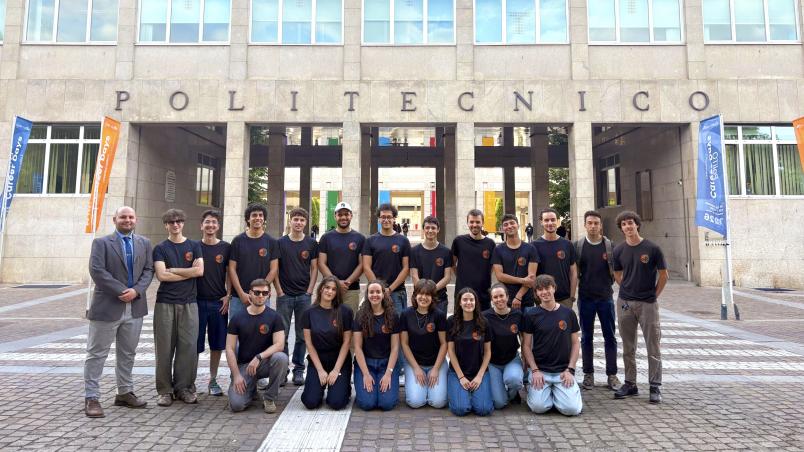
The group was founded in 2024 to explore the question of whether civil engineering techniques, and construction methods in particular, can be applied on other planets. "Our aim is to develop every aspect, not just those relating to structural considerations, but also the production of innovative materials and the management of construction and liveability processes that could make a habitat module on Mars completely self-sufficient," explains Giorgio Barolo, the team's current leader. It is a complex undertaking that requires collaboration from multiple branches of engineering and architecture, which is why the group today consists of around 30 students from various degree programmes at Politecnico.
The team is organised into departments: structures, energy, environment and liveability, chemical processes, and communications. "PoliTOMars is structured like a real company. The subject is highly complex and is being tackled through a strategy built on teamwork. As well as working groups focused on specific topics, there is also a group responsible for coordination and for defining the theme to be addressed each year," highlights Valerio De Biagi, academic supervisor of the student group and lecturer at the Department of Structural, Geotechnical and Building Engineering.
Designing and building a colony on Mars requires work to be carried out in successive, interconnected phases. No area can be considered in isolation: every decision has knock-on effects on the others, from energy to food production and resource management. The team's current focus is on developing as complete a mission architecture as possible, covering the very earliest phases: how to set up the colony before humans arrive, and how to ensure their survival once they do. These are complex, multidisciplinary questions that range from the highly technical to the psychological.
One concrete example involves regolith, the Martian soil rich in perchlorates that can be either useful or harmful depending on the context. They pose a challenge for greenhouse food production but are also a potential resource for energy applications such as batteries and storage systems. "It is crucial," notes Barolo, "to ensure balanced progress across all departments", progress that can also have applications in specific production activities. Further examples include energy generation (solar panels and their maintenance), structures (foldable, easily transportable construction systems deployable in hostile environments), food production under unusual conditions (adapting crops to altered gravity), water and biomass resource management, biomedical and psychological considerations (adaptation to extreme and post-traumatic conditions), and robotics applications (exoskeletons and operational automation).
"The ideas that emerge from the team can be very original and can be applied in sectors beyond their specific field," concludes Professor De Biagi. "These are out-of-the-box solutions, and that is precisely what makes them interesting." PoliTOMars is now open to collaboration with businesses working in the same areas as the team: from innovations in farming and energy production to mechanical and medical engineering and electronics.