


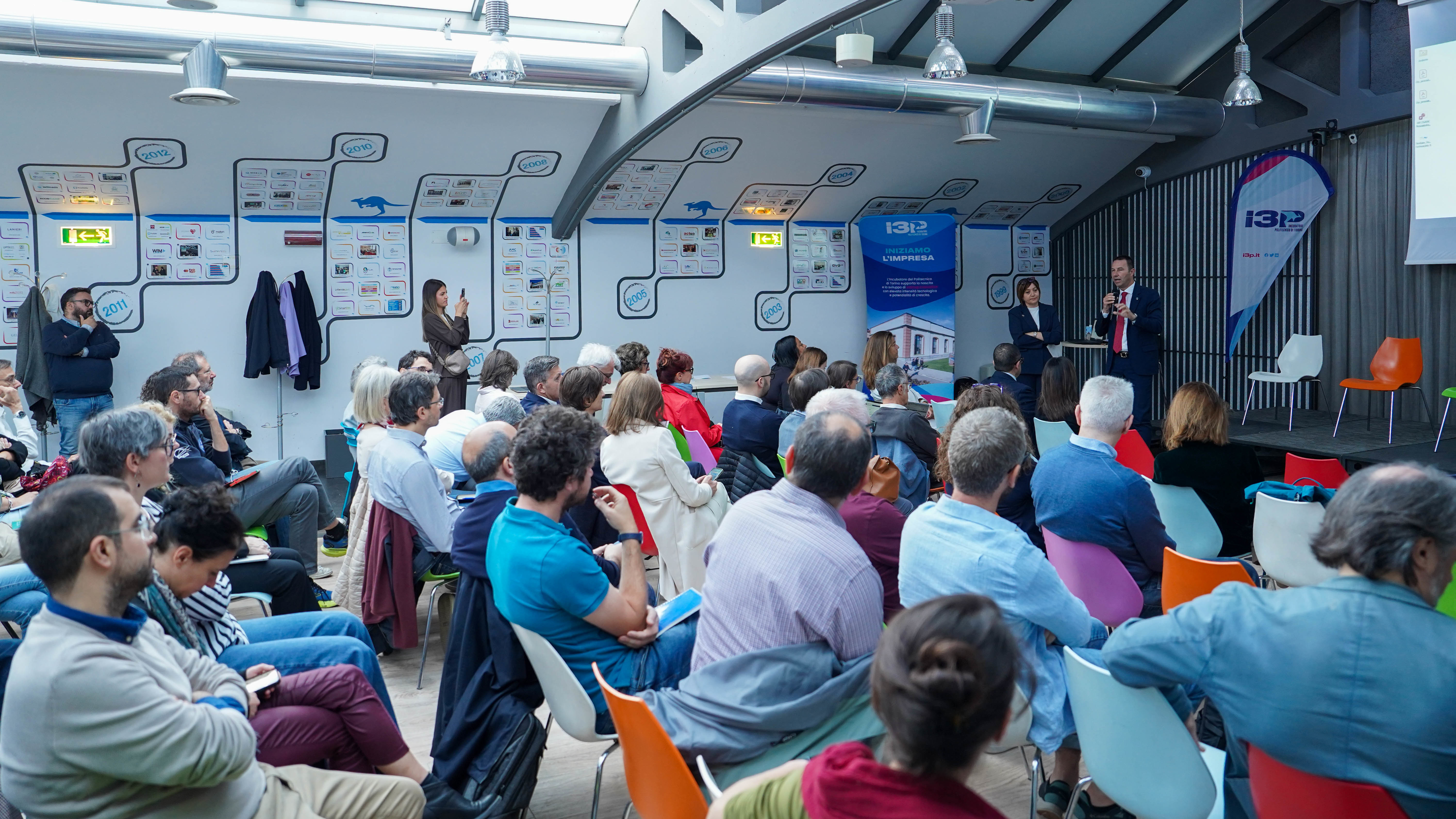
Politecnico di Torino is strengthening its dialogue with public authorities
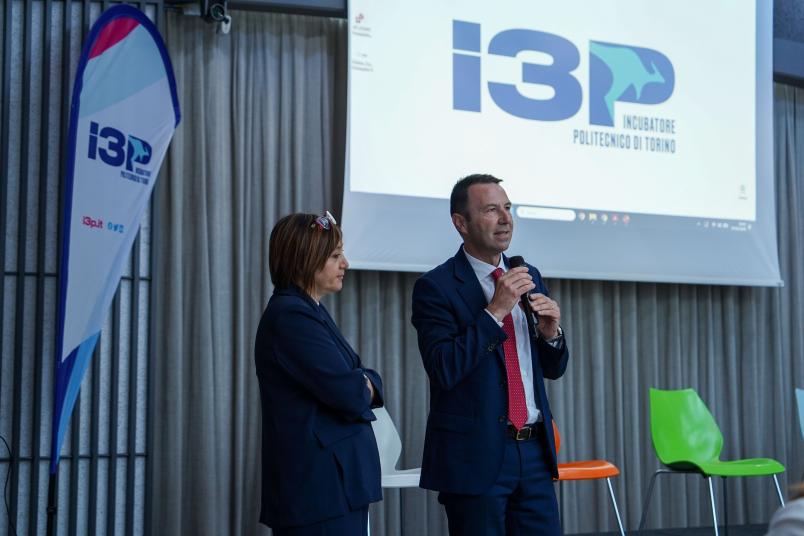
Politecnico is strengthening its services addressed to public administrations to improve the quality of life and the usability of the local areas for the benefit of citizens and businesses. This is an important mission for Politecnico, which is today taking a step forward towards a more effective and transparent organization of research in support of public administrations by developing a ‘Charter of Competences’ that will be made available to all public administrations.
What has been achieved so far and prospects were discussed on May 7 at the workshop entitled “POLITO Skills Charter in support of public administrations: a civic university”. The meeting was participated with interest by researchers and technical and administrative staff from Politecnico, with 80 people coming from various academic disciplines and holding different roles within the University. This opportunity for discussion represents a significant step towards institutionalizing Politecnico’s support for public administrations.
The picture of what Politecnico offers to public authorities has been captured from a particular perspective: the expertise available to the public sector. This operational approach was highlighted by Giuliana Mattiazzo, Vice-Rector for Scientific and Technological Innovation, and entrusted to Angioletta Voghera, a professor in the Interuniversity Department of Regional and Urban Studies and Planning - DIST and the University’s delegate for the transfer of methodologies to public administrations.
This theme is central to Politecnico strategic vision: it is no coincidence that the opening of the 2026 academic year was dedicated to the role of ‘Public administration as a breeding ground for innovation’. As Rector Stefano Corgnati noted at the opening of the workshop, the University is shifting its engagement with public administrations from the level of individual projects to the institutional level, just as it has done in its relations with businesses by focusing on the establishment of partnership agreements. A concrete example of this commitment is also the recent opening of a Politecnico hub in Rome, as part of the Memorandum of Understanding between the Ministry of the Environment and Energy Security, the University and Sogesid S.p.A: an operational centre that will enable the strengthening of government policy, research, technology transfer and internationalization activities.
The work began with an analysis of the needs and challenges facing innovation in public administrations, led by Stefania Crotta, Director of the Directorate-General for Programmes and Financial Incentives at the Italian Ministry of the Environment and Energy Security (MASE). She highlighted the shift in perspective and the call for the public sector to focus on developing human resources and on delivering impact – that is, the creation of public value and more effective, simple and useful services for citizens and businesses. This is why the university’s Third Mission is so essential, as it puts expertise, methodology and innovation at the service of institutions, local communities and public policy. Crotta then pointed out that a technological university such as the Politecnico can meet the need to develop skills to tackle the challenges of the ecological and digital transition, to manage technological innovation and to streamline processes – including through the use of artificial intelligence – while enhancing the appeal of public administrations by supporting the development of leadership and merit-based pathways focused on quality.
With these needs in mind, Angioletta Voghera undertook a mapping exercise of the University’s more than 1,300 contracts and agreements with public authorities, based on the work of researchers from all departments. The activities involve public authorities of various kinds – local councils, metropolitan cities, regions, ministries, local health authorities, museums and others – as well as foundations, chambers of commerce and professional bodies. The study identified cross-cutting thematic clusters based on the contemporary needs and challenges of public authorities – Ecological transition and energy policies, digital transition and technological innovation on the one hand, and territorial knowledge, territorial governance and planning, and policy-making support on the other – as well as more specific areas of investigation – cultural heritage, landscape and protected natural areas, healthcare, villages and inland areas, construction and infrastructure, and housing. The work then continued with six breakout sessions dedicated to “Contemporary Challenges, Policies, Plans and Projects” and “Thematic Focuses”. This participatory activity was conducted using a method known as Open Space Technology (OST), and the results will be incorporated into the drafting of the “University’s Charter of Competences in Support of Public Administrations”.
“Politecnico di Torino and public administrations have an important task: to forge a stable alliance and establish a structured, ongoing relationship, aimed at ensuring high-quality decision-making and public value, as well as measurable social and regional impacts. PoliTO can play a central role in this field in several respects. As an institution dedicated to methodological innovation and the production of the knowledge necessary to train future public administration technicians; but also, as a Centre for research aimed at solving real-world problems by improving practices, co-producing knowledge and technical and technological solutions, in support of the quality of life of communities and local areas,” commented Angioletta Voghera.
This first event will be followed by a second workshop, open to representatives from public administrations, during which the “University’s Charter of Competences in Support of Public Administrations” will be presented, with the aim of further strengthening dialogue and collaboration between the university and public institutions.


- Immagine
 NomeSpeech by Rector Stefano Corgnati
 - Immagine
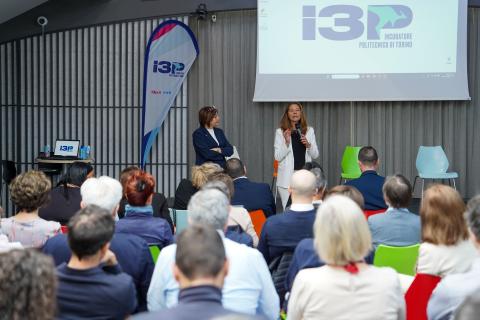 NomeSpeech by Vice-Rector Giuliana Mattiazzo
 - Immagine
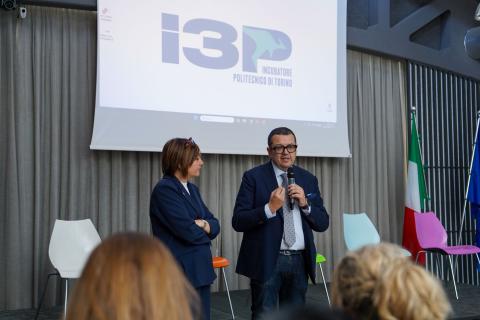 NomeSpeech by Director-General Vincenzo Tedesco
 - Immagine
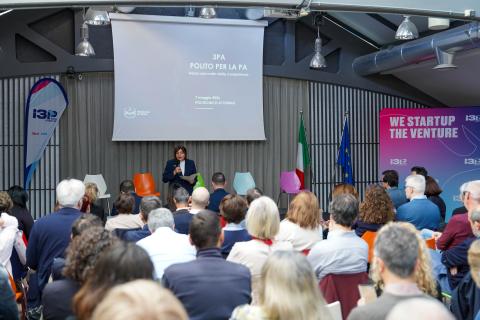 NomeSpeech by Angioletta Voghera
 - Immagine
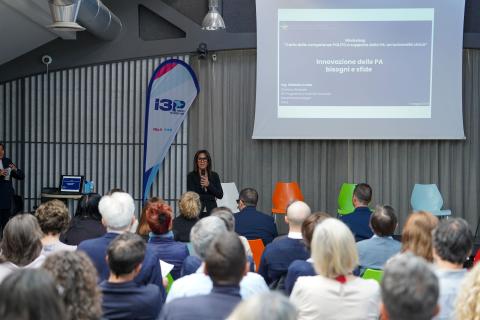 NomeSpeech by Stefania Crotta
 - Immagine
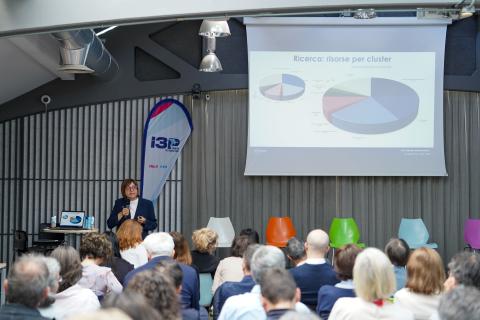 NomeThe expertise available to the public administration
 - Immagine
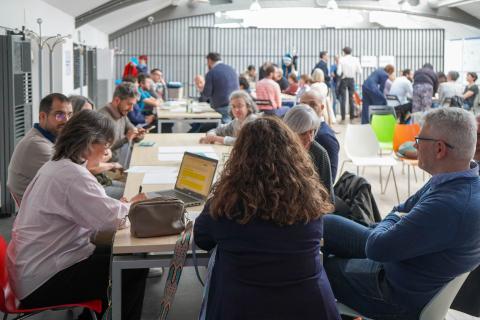 NomeDedicated working groups
 - Immagine
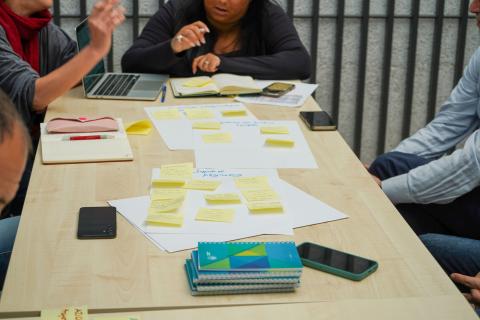 NomeAddressing the contemporary challenges facing public administrations
 - Immagine
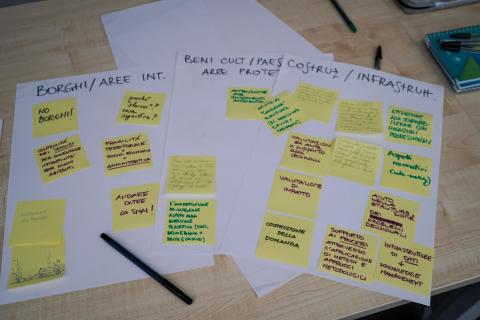 NomeFocus on areas of investigation


