


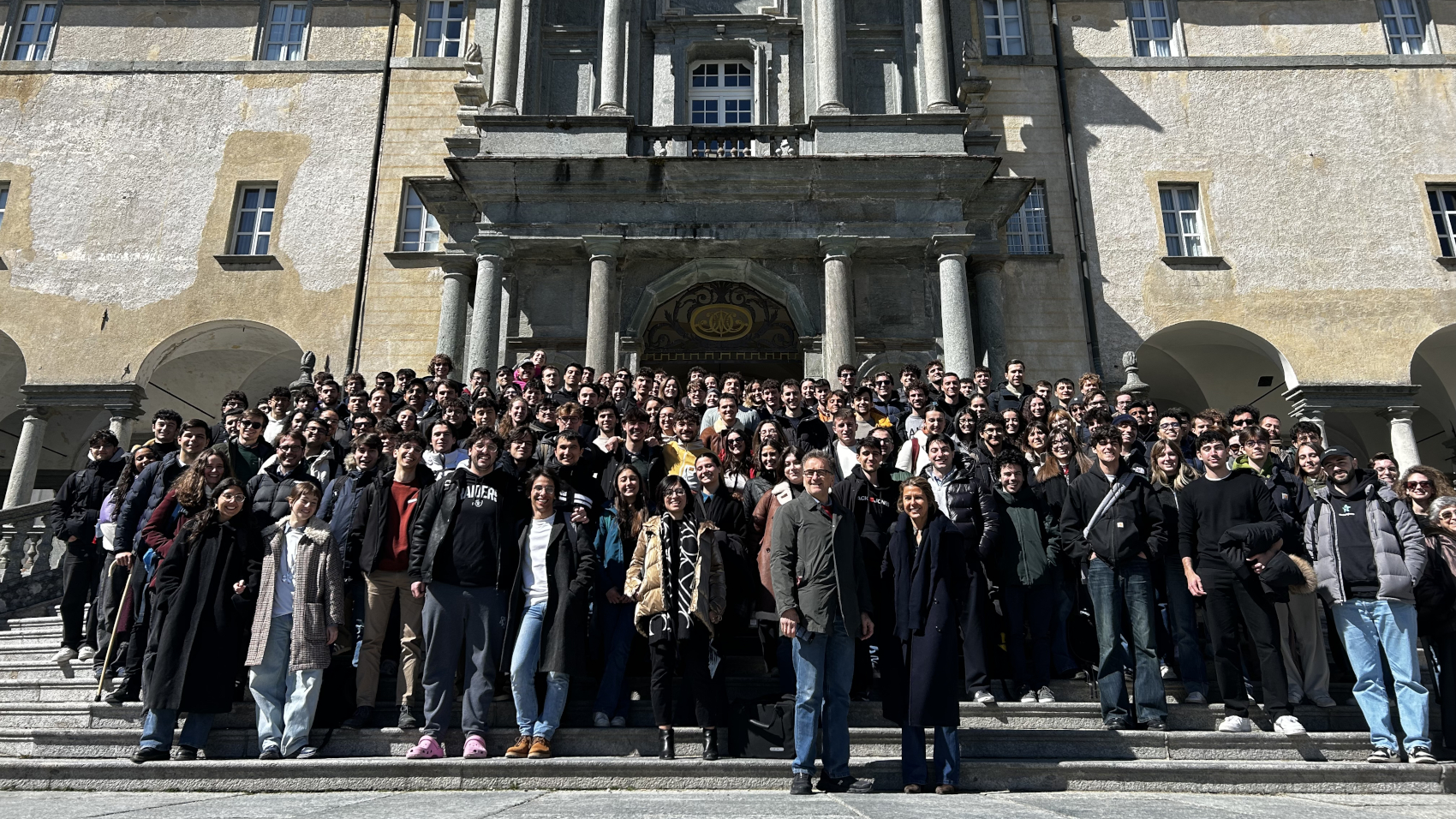
Between Climate, Territory and Innovation: the ASP Winter School 2026
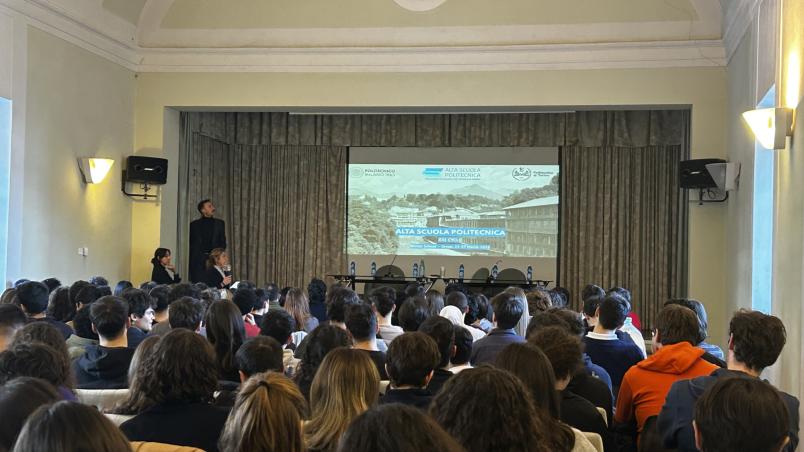
From 23 to 27 March 2026, at the Sanctuary of Oropa, the Alta Scuola Politecnica held its Winter School for the 21st cycle, a key event in the ASP training programme focusing on the theme “Decision Processes under Climate Complexity: Innovation Pathways for Systemic Change”. In this immersive setting, 150 students from Politecnico di Torino and Politecnico di Milano, joined by 30 students from Politecnico di Torino’s ‘Percorso Intraprendenti’ programme, worked as decision advisors, tackling the challenges affecting the Biella area, which have been made more complex by climate change: from the increased vulnerability of mountain ecosystems to socio-economic marginalisation, via pressure on ecosystems and local resources.
The Winter School opened with remarks by Elisabetta Raguseo, director of ASP, together with coordinators Alessandra Oppioand Mario Calderini, whose keynote highlighted the role of anticipation in shaping futureoriented territorial strategies and the need to embrace complexity when designing decision processes. The programme continued with contributions from several international experts: Daniela Maiullari (TU Delft) offered insights into the challenges posed by urban heat; Andrea Rolando (PoliMI) presented an interpretation of the Biella landscape as a space where nature, heritage and innovation converge; Alexis Tsoukias (Université ParisDauphine) outlined why decisionsupport processes must be formalized; Isabella Lami (PoliTO) discussed territorial conflicts in planning. Methodological depth was further enriched by Giulia Datola, who introduced Multicriteria Analysis, and Giuseppe Munda, who presented Social Multicriteria Evaluation as a key approach to navigating uncertain and valueladen decision environments.
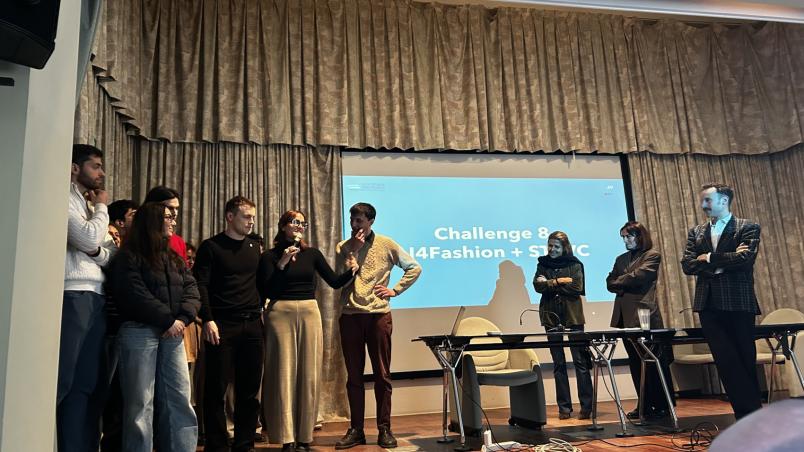
Throughout the week, technical sessions on stakeholder analysis, scenario development and evaluationframework design supported the collaborative work of the students, who also experimented with tools such as the Socrates software to structure their analyses. Through collective exercises, anticipatory activities and Pecha Kucha presentations, the participants progressively built innovative proposals aimed at helping public authorities and local actors navigate climate complexity.
The School concluded on March 27th with the final presentations delivered to ASP tutors and external experts, culminating in a journey that once again affirmed Alta Scuola Politecnica’s ability to create a genuine learning laboratory, where advanced methodologies, interdisciplinarity, and longterm vision come together to develop competencies oriented toward systemic change.