

A new lease of life for traditional vehicles through electric conversion
Enabling the large-scale conversion of vehicles and machinery, moving from combustion engines to electric propulsion, is the goal achieved by Electrofit Systems, an innovative startup and Politecnico spin-off that offers businesses an effective way to seize the opportunities of electrification, even on existing combustion-powered vehicles, from a single vehicle to small fleets.
The startup was founded in 2023 with the aim of focusing on electrification, particularly for those vehicles that tend to be overlooked by the major carmakers. "There's a long list of vehicles that can be converted rather than replaced, tapping into the opportunities that come with electrification – comments Stefano Carabelli, researcher at the Department of Control and Computer Engineering-DAUIN and founder of the spin-off – This applies to many sectors, such as agriculture, construction, urban mobility, last-mile delivery and transport. Our aim is to help companies that need to electrify their fleets without facing exorbitant costs and timelines”.
Electrofit Systems' strength lies in its method. By fully embracing the concept of the "software-defined vehicle", the company sources hardware components on the market, or develops them with its own suppliers, to design integrated electric propulsion systems configured via software, compliant with functional safety requirements and the certifications needed for the vehicle's final type approval.
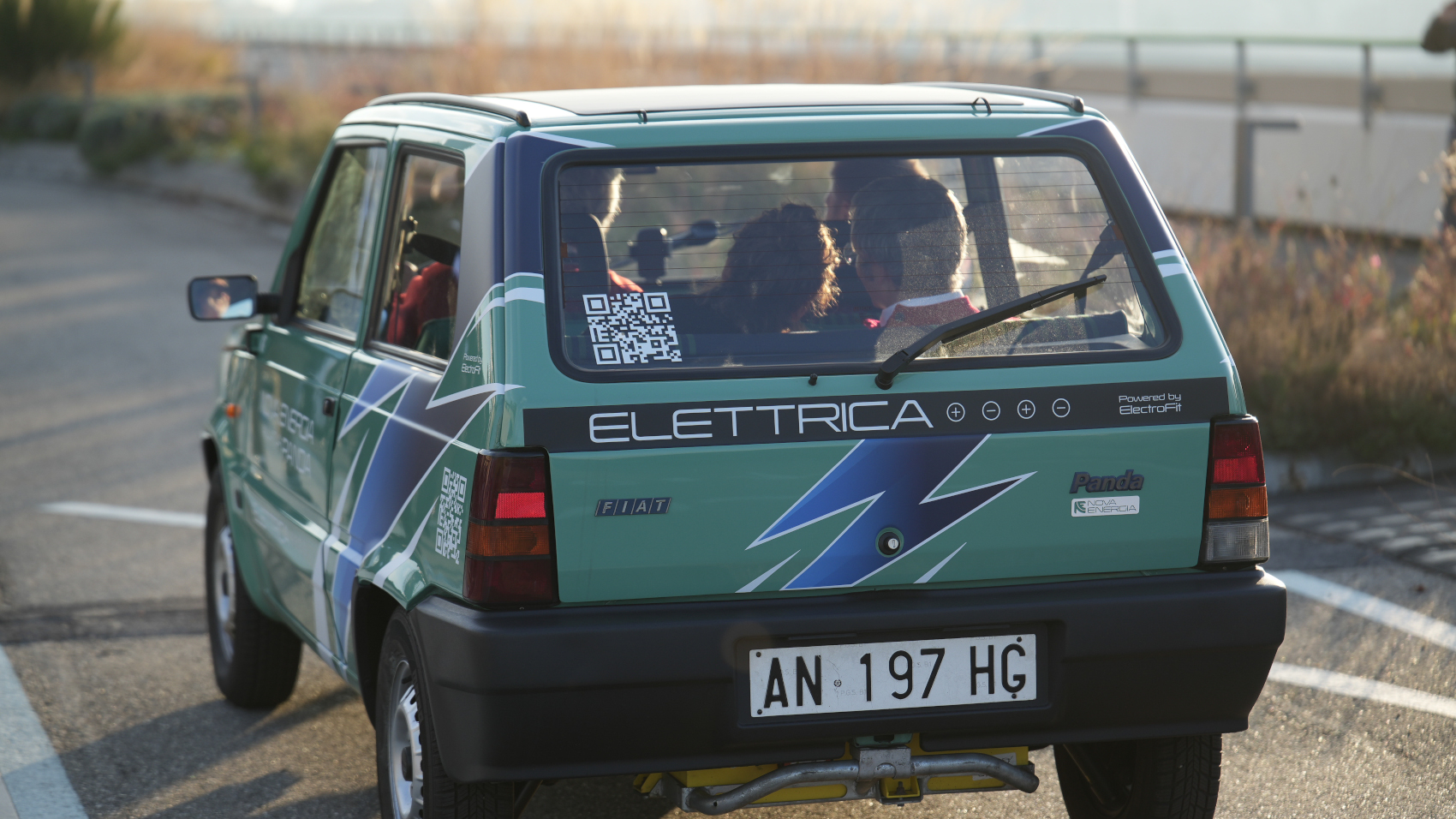
The work began with the creation of a first "demonstrator", developed to test Electrofit Systems' solutions for electrifying, in this case, vehicles originally designed with other propulsion systems. The aim was not only to establish technical feasibility, but also the regulatory compatibility of the conversion. Indeed, once a road vehicle is converted by the spin-off, it receives type approval and can continue to be driven.
"We started with an iconic, classic model, the FIAT Panda 141 – explains Carabelli – From the demonstrator, we then moved on to the product that is now available on a dedicated conversion website, where customers can buy the car or choose to convert their own vehicle. But we do much more, both with existing vehicles and newly designed ones. Since we don't manufacture the components ourselves but instead work with whatever best suits the market and combine it with our software, we can work on the majority of vehicles, reaching the prototype stage much faster, at lower cost and with greater efficiency than larger players". The researcher adds: "We've built a network of suppliers that guarantees the availability of the components that go into electrifying a vehicle: an added layer of security for businesses, who can be confident they won't be left on their own when it comes to maintaining their electrified vehicles”.
From a company's initial request to the production of the electrified prototype can take six to eight weeks. Businesses can also benefit from two further services offered by the spin-off. First, an estimate of the costs involved in producing small series of converted vehicles. Second, the ability to use the tests carried out on the prototype during the type approval process itself.
Electrofit Systems' work is aimed at two main categories of businesses: those that manufacture small production runs of vehicles, and those with a vehicle fleet that needs upgrading to remain in service. The service is already available at costs competitive with those of buying new electric vehicles outright.
Looking ahead in the short term, Electrofit Systems is set to add a web-based customer outreach and interaction model: it will soon be possible to purchase the vehicle electrification service online through a kind of e-commerce platform, a first for this sector.