

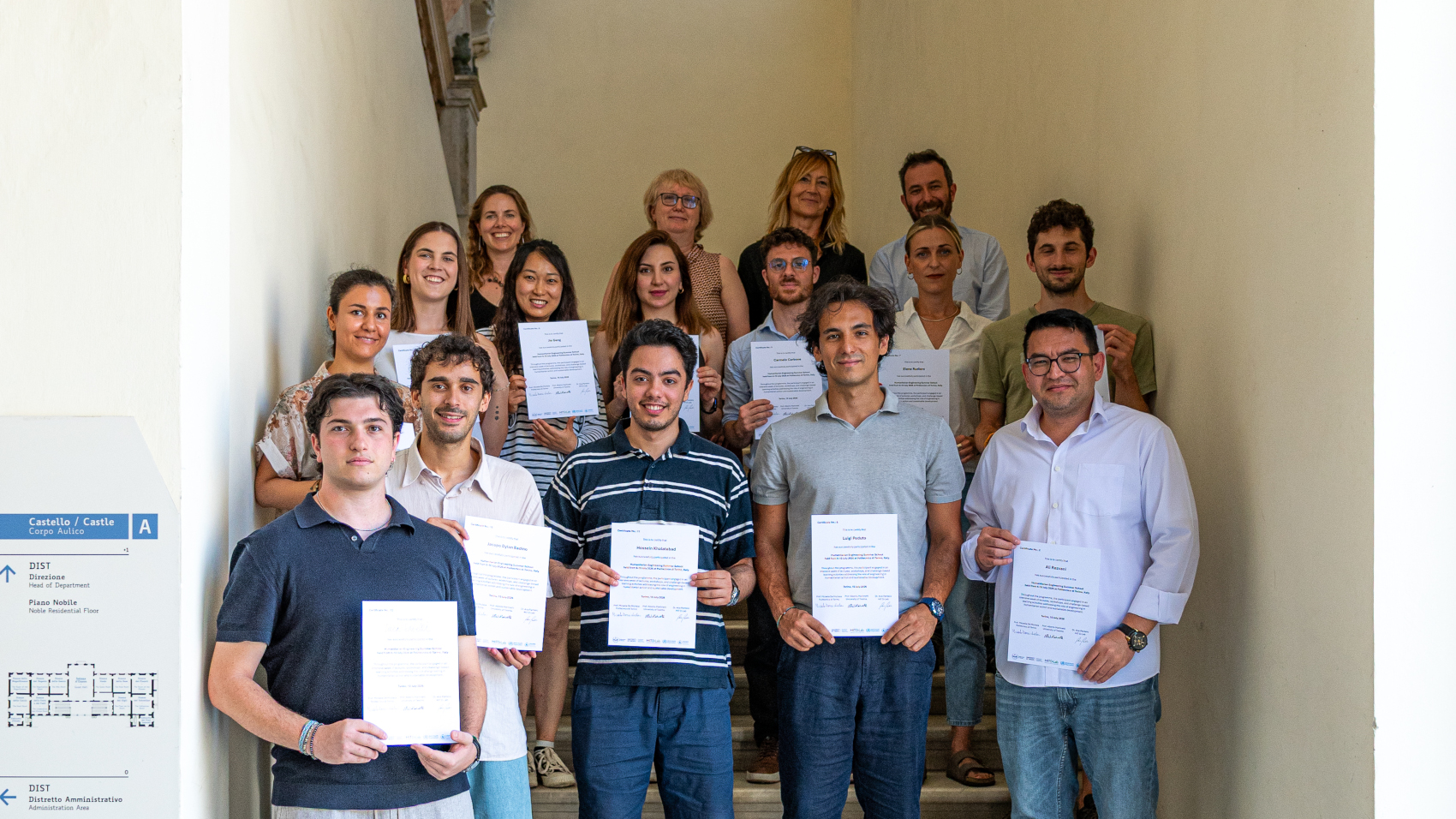
Politecnico hosts its first Humanitarian Engineering Summer School
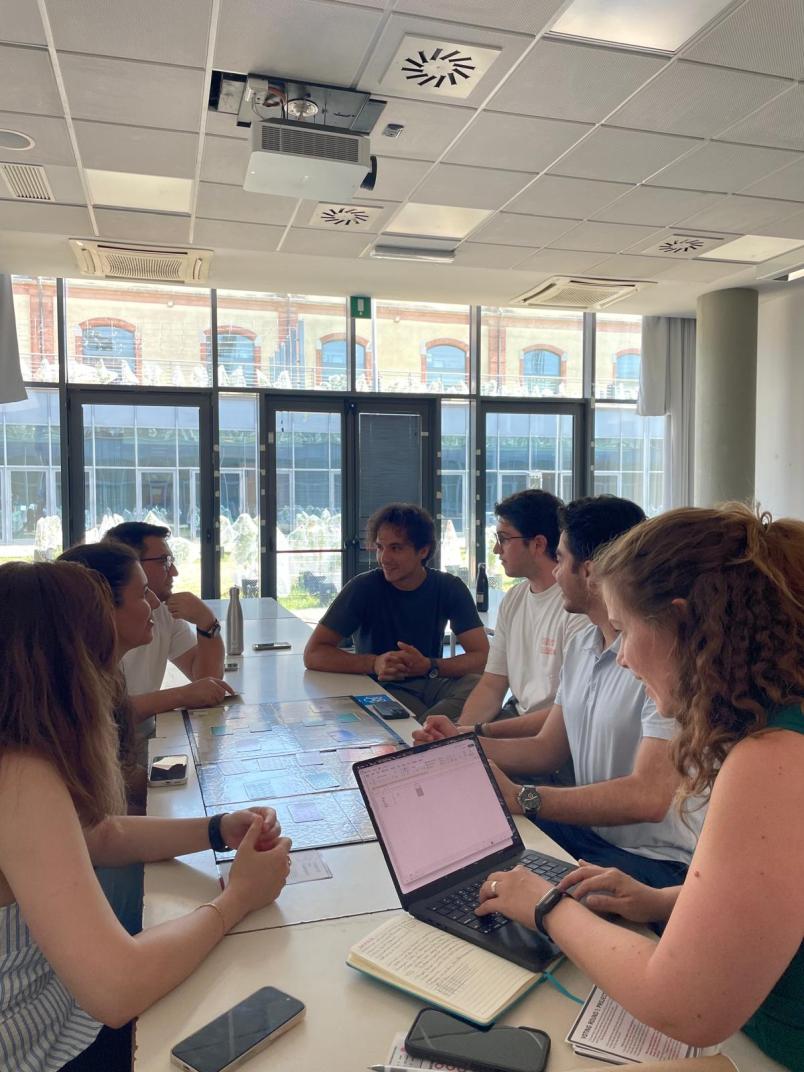
The first Humanitarian Engineering Summer School concluded on 10 July at Politecnico di Torino. Organised by the Departments of Applied Science and Technology (DISAT), Environment, Land and Infrastructure Engineering (DIATI), and Architecture and Design (DAD), with the support of Politecnico di Torino, the initiative brought together Master's students and PhD candidates for an interdisciplinary programme aimed at developing the technical and design skills needed to address some of today's most pressing humanitarian challenges.
Through a Challenge-Based Learning approach, participants explored key topics in Humanitarian Engineering, including Water, Sanitation and Hygiene (WASH) systems and public health in emergency settings, renewable energy systems, participatory design and appropriate technologies, Disaster Risk Reduction, infrastructure and community resilience, circular economy approaches in fragile contexts, and humanitarian logistics.
A defining feature of the Summer School was its strong international dimension. The programme was designed and delivered with the contribution of researchers and experts from leading institutions engaged in research and innovation for sustainable development and humanitarian action, including MIT D-Lab at the Massachusetts Institute of Technology, the Humanitarian Engineering Research Group at the University of Twente, the World Health Organization (WHO), and the United Nations Humanitarian Response Depot (UNHRD) of the World Food Programme (WFP). Their contribution enabled participants to engage with established methodologies, real-world case studies, and field-based experiences, providing valuable insights into the complexity of contemporary humanitarian interventions.
In a global context increasingly shaped by climate change, humanitarian crises and growing inequalities, educating and training professionals capable of operating effectively in complex environments has become a strategic priority for Politecnico di Torino. Humanitarian Engineering promotes an interdisciplinary approach that combines technological innovation, sustainability, co-design with local communities, and the strengthening of community and territorial resilience.
"The Summer School has further strengthened the international network of academic and institutional collaborations that Politecnico di Torino is developing in the fields of international development cooperation and research for fragile and crisis-affected contexts, creating new opportunities for joint research, education, and project development. - said Francesca De Filippi, Adjunct vice rector for International Scientific Cooperation - The initiative represents another important step towards building an academic community that places engineering, architecture, and design expertise at the service of vulnerable people and territories, while educating professionals capable of developing innovative, context-appropriate, and sustainable solutions to today's global challenges".


- Immagine
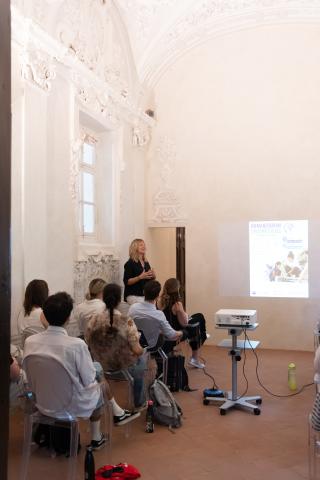 NomeA Week of Interdisciplinary Learning to Address the World's Greatest Challenges
 - Immagine
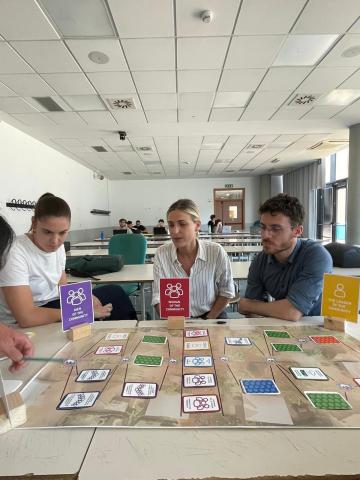 NomeAddressing real-world problems through interdisciplinary project-based activities
 - Immagine
 NomeThe University's commitment to educating professionals capable of operating in complex environments


