


Learning from Satoyama: Italy and Japan in Dialogue to Rethink the Built Environment
Last Friday the festival week “Learning from Satoyama: The Japanese Way to Sustainable Built Environment” concluded, an initiative organized by the Department of Architecture and Design-DAD and the Interuniversity Department of Regional and Urban Studies and Planning-DIST, in collaboration with the PoliTO Japan Hub, Waseda University, and the Museum of Oriental Art (MAO), under the patronage of the Foundation for Architecture and the Consulate General of Japan in Milan, as part of the celebrations marking the 160th anniversary of Italy–Japan diplomatic relations.
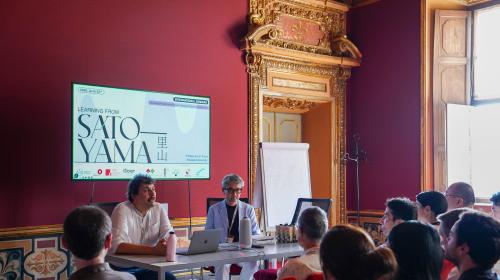
The event fostered dialogue among Italian and Japanese scholars, professionals, and students on the theme of sustainability in the built environment, from architecture to landscape design, taking inspiration from the Japanese concept of Satoyama: a model of balance between communities and nature based on the circular use of natural resources. Today, Satoyama serves as an important source of inspiration for research on sustainable living and the transformation of cities and territories.
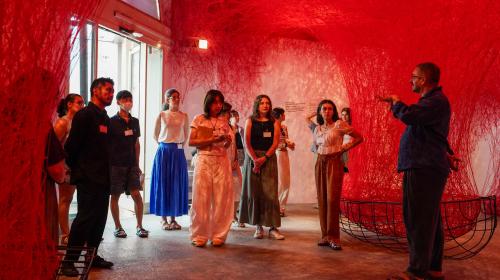
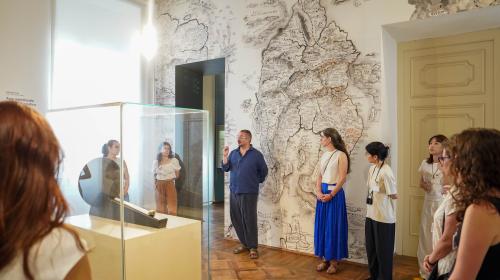
Reflections on the relationship between tradition and contemporary challenges were explored through a rich programme of events held between the Valentino Castle and the Museum of Oriental Art (MAO), including a research seminar for scholars, a design workshop for faculty, researchers, and students of Politecnico di Torino, and two public lectures.
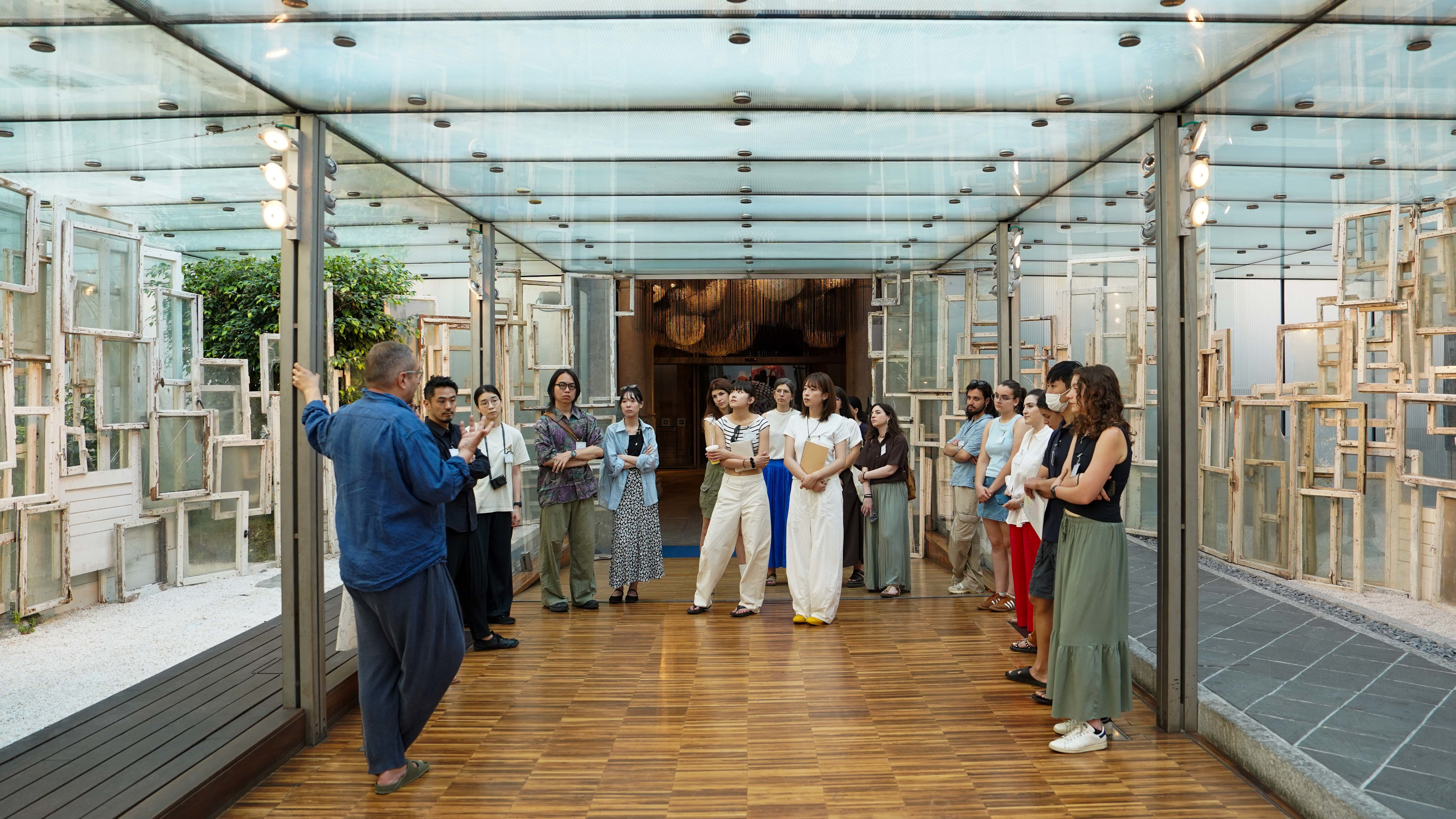
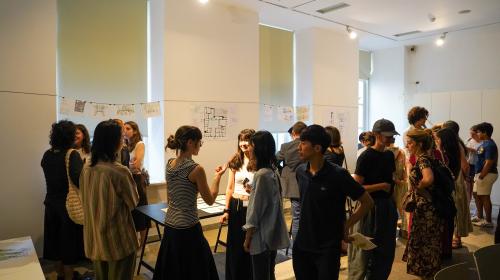
The heart of the week was the workshop “Designing the Open Museum: From Heritage to Living Courtyard”, jointly organized by Politecnico di Torino – with contribution from Claudia Cassatella, Michele Bonino, Andrea Bocco, Ilaria Tonti, Giorgia Greco and Shushanik Ovakimian – and Waseda University, with the participation of Takashi Ariga, Keigo Kobayashi and Mei Komatsu. Students from both universities collaborated on reimagining the museum’s entrance area, covered courtyard garden, and its relationship with the MAO terrace, exploring the potential of a semi-enclosed urban space capable of becoming an open, dynamic, and interactive environment where ecological processes and human activities could coexist and reinforce one another.
“Together with Waseda, we tackled a real challenge presented to us by the MAO, a fascinating architectural problem, both functional and conceptual – says Professor Claudia Cassatella, who coordinated the Festival – The students developed a solution by integrating our different approaches, combining reflections on the Baroque entrance hall with the Japanese concept of the engawa and the Chinese garden. I am grateful to the MAO for providing us with such a concrete opportunity for collaboration, and to our colleagues from Waseda for their openness and commitment. The true protagonists of this experience were the young people”.
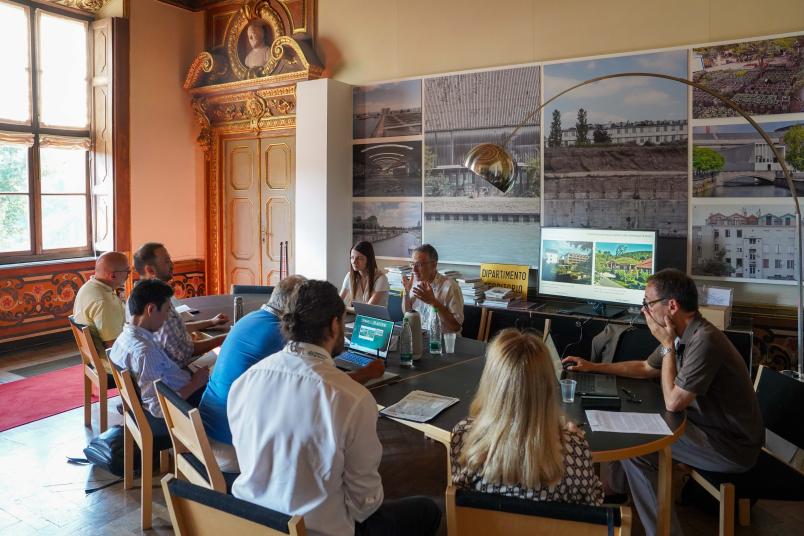
On June 22nd, Valentino Castle hosted the international symposium “Sustainable Built Environment. Research Topics and Methods”, bringing together experts from Politecnico di Torino and Waseda University, both in person and online. The symposium provided an important opportunity to discuss the main research areas shared by the two institutions and to strengthen future collaboration. Topics included architectural heritage, history, conservation and management; architectural and urban design; urban and regional planning; structural design; and sustainable built environments.
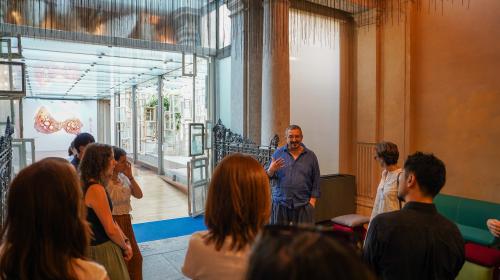
The programme continued on 23rd and 26th of June at the MAO with two seminars also open to the public. On June 23rd, Professor Keigo Kobayashi (Waseda University) delivered the lecture “Cultivating Incomplete Circulations. Mediating Ecologies of Living and Production”, moderated by Director of DAD Michele Bonino, presenting his research on the relationship between ecology, production, and design. Educated at Waseda University and the Harvard Graduate School of Design, Professor Kobayashi gained extensive professional experience at OMA in Rotterdam, where he worked from 2005 on architectural and urban projects across the MENA region.
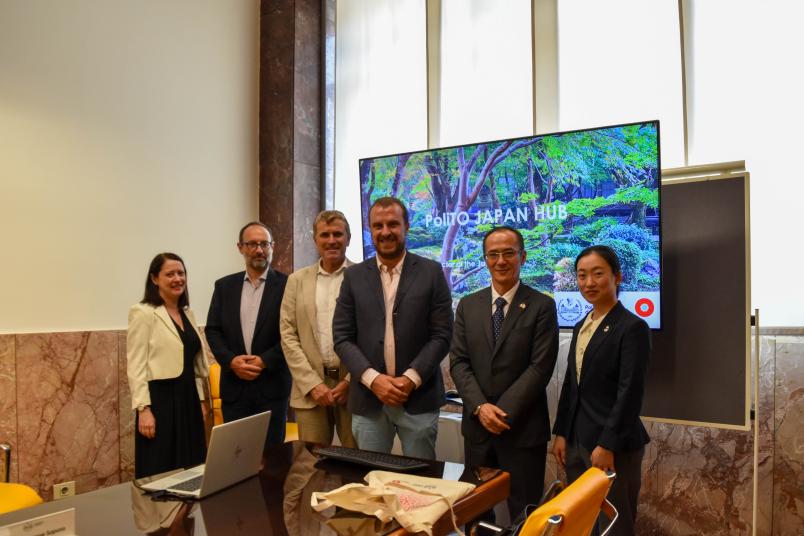
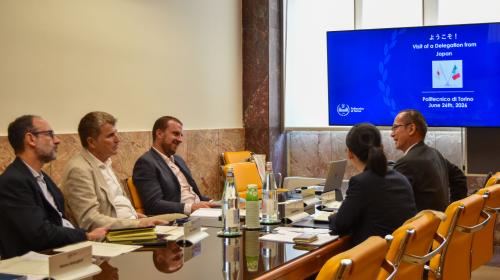
The closing day, June 26th, began with the visit of Consul General Koji Yagi, accompanied by Doctor Makoto Endo, to Politecnico di Torino. The delegation was welcomed by Vice Rector for International Affairs Alberto Sapora, Director of the PoliTO Japan Hub Giuseppe Quaglia, and the Executive of INCAM Department - International Affairs. The visit provided an opportunity to further strengthen relations with Japanese institutions and to present Politecnico di Torino and its strategy for engagement with Japan.
The day continued with the Festival’s closing event at the MAO, opened by institutional greetings from Davide Quadrio, Director of the MAO; Koji Yagi, Consul General of Japan in Milan; Alberto Sapora, Vice Rector for International Affairs of Politecnico di Torino and Giuseppe Quaglia, Director of the PoliTO Japan Hub. Students then presented the outcomes of the workshop, illustrating the design proposals developed during the week.
The Festival concluded with the lecture by Professor Takashi Ariga, “Design for Sustainable Urbanism: Learning from the Idea of Satoyama” moderated by Claudia Cassatella. Professor Ariga teaches in the Department of Architecture at Waseda University and formerly served as Dean of the Faculty and Graduate School of Creative Science and Engineering. For more than thirty years, he has worked professionally and academically in urban and environmental design. He currently serves as Vice President of the Architectural Institute of Japan (AIJ). His research focuses on theories and methods of participatory planning involving local communities. He has advised national and local governments in Japan and has been invited as a keynote speaker at numerous international universities and conferences.
“This festival is a valuable example of collaboration with one of our longstanding partners, Waseda – concludes Vice Rector Sapora – I found both the work carried out and the results achieved extremely impressive. What struck me most was the strong synergy that developed between the Italian and Japanese faculty members and students as they worked together toward a shared goal. This is one of the main objectives of our Japan Hub at PoliTO, which is celebrating its third anniversary this very week”.
- Immagine
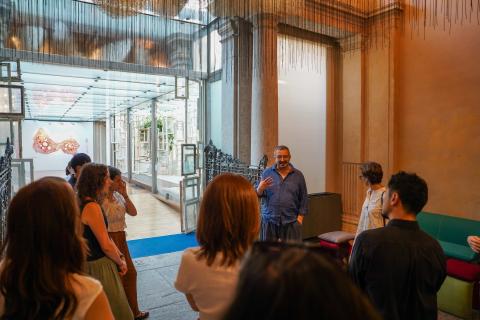 NomeExploring the potential of an urban space
 - Immagine
 NomeSatoyama: a model of balance between communities and nature based on the circular use of natural resources
 - Immagine
 NomeThe synergy between Italian and Japanese faculty and students
 - Immagine
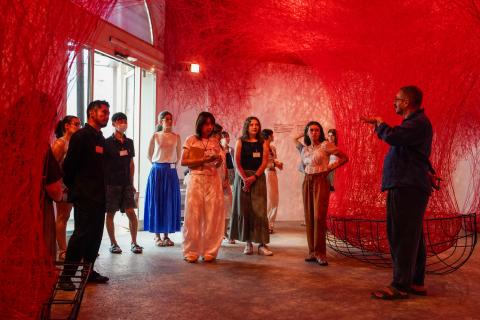 NomeReflecting on new sustainability scenarios
 - Immagine
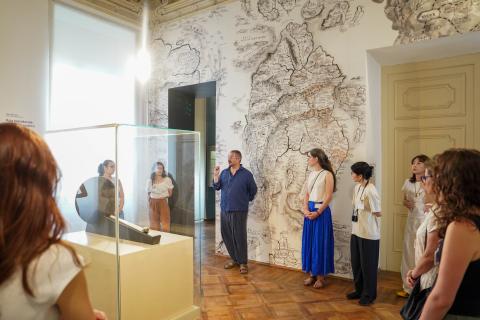 NomeResearch on the transformation of cities and territories
 - Immagine
 NomePolitecnico di Torino presents its strategy in Japan


